


Updated on: 2026-10-01
Choosing furniture and home goods is easier when you focus on construction and materials. High Quality Materials help products resist daily wear, maintain appearance, and perform consistently over time. This guide explains how to evaluate material quality using practical checks you can do while shopping. You will also learn how to match material choices to use cases such as dining, lounging, and storage. Finally, you will find a short question-and-answer section to clarify common concerns.
Pros & Cons of High Quality Materials
Identify the product’s primary use
Pros & Cons of High Quality Materials
High Quality Materials are selected for strength, stability, and long-term performance. In home furnishings, the difference often shows up in how the product holds shape, resists scratches, and continues to look uniform after regular use. When you prioritize material quality, you are less likely to replace items prematurely.
Key advantages
Better durability: Strong fibers, solid substrates, and reliable coatings help reduce warping and breakdown.
More consistent feel: Quality materials keep surfaces even, with fewer loose edges or unstable seams.
Improved appearance retention: Premium finishes tend to resist fading, staining, and uneven patina.
Higher structural stability: Well-designed construction paired with quality components supports alignment and safe load handling.
More predictable performance: When materials are chosen for their intended environment, products behave more reliably across seasons.
Common limitations to consider
Higher upfront cost: Quality components can increase the initial price, even when lifetime value is strong.
Different care requirements: Some premium surfaces need specific cleaning methods or protective routines.
Not all “premium” claims are equal: Some listings use broad language without showing construction specifics. You must verify details.
Weight and feel may differ: Dense materials often add weight, which can affect placement and mobility.
The practical goal is not to buy the most expensive option. It is to match your needs with materials that fit your space and daily routine.

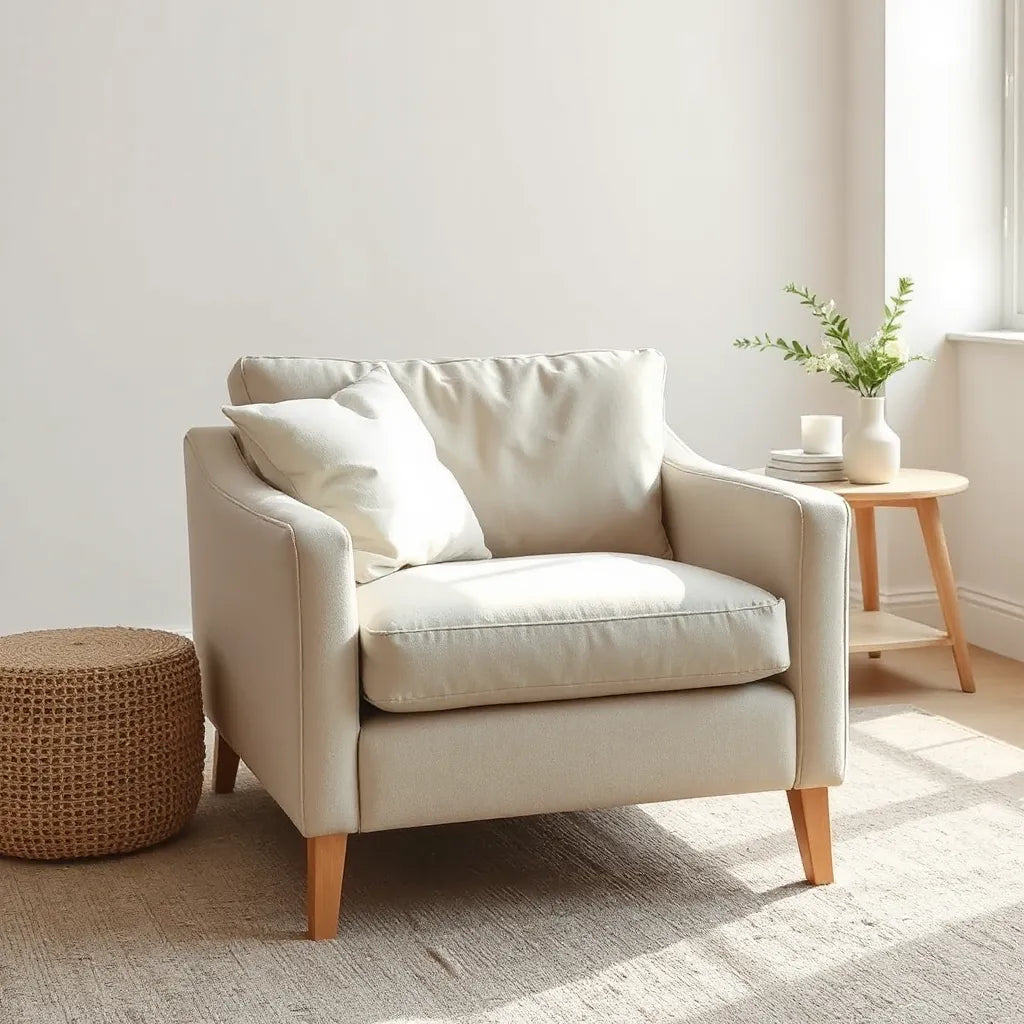
Cross-section visuals showing durability and stable structure
Step-by-Step Practical Guide
To evaluate material quality effectively, use a structured approach. The checks below focus on visible signs of workmanship, realistic performance factors, and the way materials interact with everyday conditions. You can apply these steps whether you are selecting seating, storage, or a tabletop.
Identify the product’s primary use
Start by defining how the item will be used. The “right” material depends on frequency of use, exposure to sunlight, and how often the surface will be cleaned. For example, dining areas require resistance to spills and repeated contact. Storage needs structural integrity and stable joinery. Seating requires comfort plus reliable support under load.
Write down the top two challenges you expect. Common challenges include daily friction, minor impacts, moisture from cleaning, and long-term exposure to indoor light. Once you know the challenges, you can judge whether the material and finish are appropriate.
Evaluate texture and finish
Next, assess how the surface performs in real life. High-quality finishes should feel uniform to the touch and look consistent from different angles. Look for clean edges, stable corners, and an even sheen. Avoid surfaces that show rough patches, thin or peeling coatings, or obvious uneven color.
Consider how the finish handles cleaning. A durable finish supports routine wiping without degrading. If the item is in a kitchen or entryway, prioritize finishes designed to tolerate regular contact with water-based cleaners and gentle wiping.
Uniform appearance: Check for consistent tone and no mottling.
Smooth edge behavior: Inspect corners and seam lines for sharpness or fraying.
Coating thickness cues: Observe whether the finish looks solid rather than translucent.
Scratch resistance indicators: Look for stable top layers and tight surface grain alignment.
If you are considering seating, the material used on the contact surface affects day-to-day comfort and wear. For example, you can explore seating options such as the Izumi chair to see how material choices align with residential styling needs.

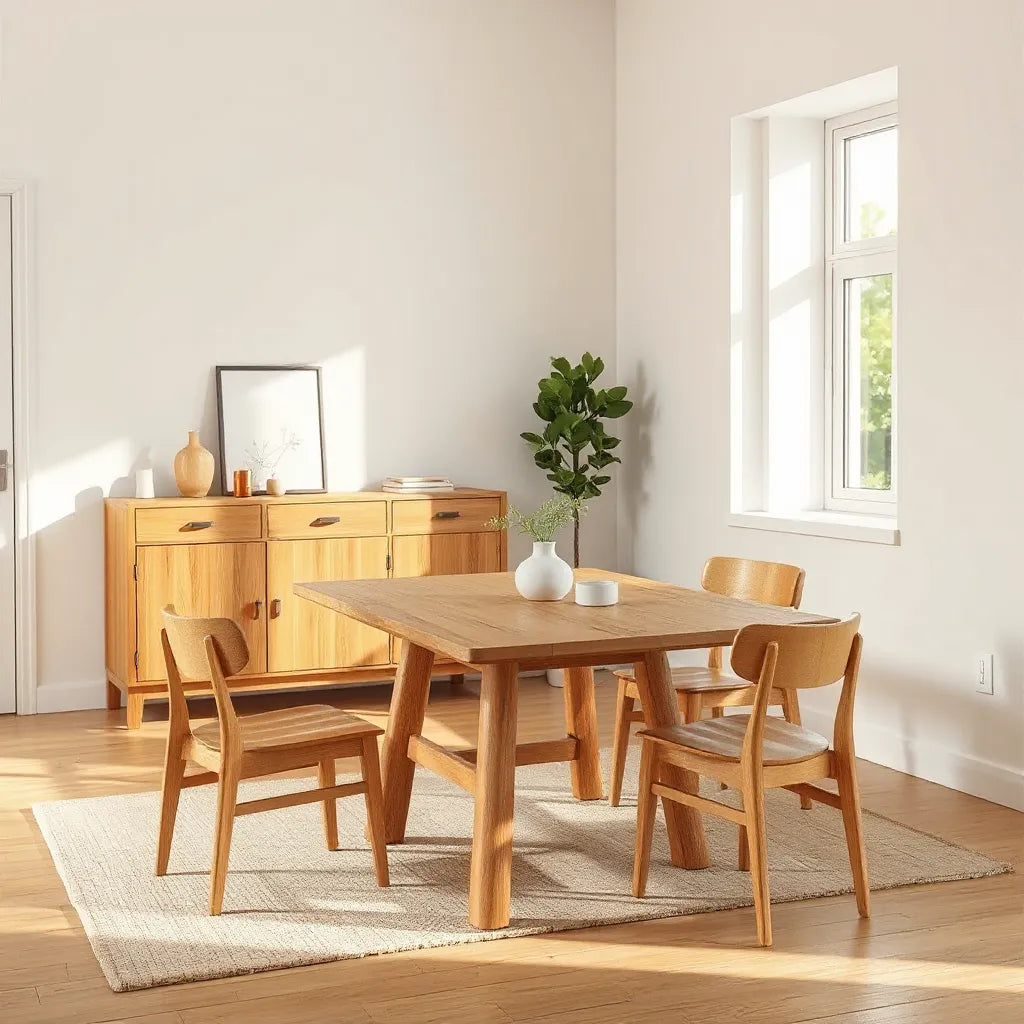
Close-up style illustration of seam alignment and surface uniformity
Inspect construction details
Material quality is strongest when construction quality supports it. Even premium surface layers will underperform if the internal structure is weak. Focus on joint quality, frame stability, and how components meet.
Use these practical inspections:
Joinery and seams: Look for tight gaps, aligned edges, and consistent seam lines.
Frame rigidity: Assess whether the structure feels solid without noticeable wobble.
Support distribution: Seats and tables should have support where contact and load are highest.
Hardware compatibility: For items that use fasteners, check whether hardware appears secure and properly seated.
Finish coverage at stress points: Inspect corners, edges, and areas near fasteners where wear begins.
For bar seating, construction matters because daily use concentrates stress on the legs and seat base. If you are comparing options, review pieces like the Haruto bar stool and the Emi bar stool. Pay special attention to how the base supports stable standing and how the seat surface handles contact.
Check maintenance and care needs
High Quality Materials are designed to last, but longevity depends on correct care. Premium materials often respond best to consistent cleaning practices. Before purchase, verify how the surface should be maintained and what products to avoid.
Choose the maintenance level you can sustain. If you prefer quick routines, prioritize finishes that tolerate routine wiping and gentle cleaners. If you are willing to perform more careful maintenance, you can select materials with finishes that develop character over time.
Cleaning tolerance: Look for surfaces that remain stable after routine wiping.
Protective habits: Use mats or coasters when surfaces contact heat, moisture, or sharp objects.
Avoid harsh abrasion: Resist aggressive scrubbing that can wear top layers.
Environment control: Reduce direct sun exposure and manage indoor humidity for wood and composite materials.
A clear care plan also prevents accidental damage. For instance, repeatedly scrubbing a finish can gradually dull the surface even if the material is strong.
Match materials to room conditions
Material quality must be paired with the environment. Indoor light, humidity changes, and temperature swings all influence long-term performance. If a piece is near windows, prioritize materials with stable finishes and resistance to fading. In humid rooms, prioritize stability and consider how the substrate reacts to moisture over time.
For storage systems, consistent performance depends on the stability of the internal surfaces. Solid substrates and robust hardware reduce the risk of sagging and misalignment. For example, when exploring furniture with storage or cabinet features, you can review Asuka cabinet to understand how material selection supports practical organization.
Wrap-Up
High Quality Materials are the foundation of dependable home furnishings. The best choice is not only about strength; it is also about finish stability, joinery quality, and realistic care compatibility. By identifying your use case, evaluating surface uniformity, inspecting construction details, and matching care needs to your routine, you reduce the chance of early wear and maintain a consistent look.
Before purchasing, confirm that the materials and construction align with your daily conditions. If you want a reliable starting point, compare similar categories and look for visible evidence of careful workmanship rather than broad marketing claims.
Q&A Section
How can I tell if materials are truly high quality in product listings?
Look for specific construction and finish details rather than general statements. Strong indicators include even surface appearance, consistent seam behavior, and descriptions that connect materials to performance. If available, prioritize information that explains how a finish protects against daily wear and how components support structural stability.
Are high quality materials always the best option for every budget?
They are often the best choice for long-term value, but your budget still matters. The goal is fit: choose materials that match the intensity of use in your space. For lower-use areas, you may be able to balance quality with cost, while frequently used surfaces benefit most from higher-grade materials.
What care practices best protect premium finishes over time?
Use gentle cleaning methods suited to the surface type and avoid abrasive scrubbing. Wipe spills promptly, use coasters or mats for moisture and heat, and keep the item away from direct sunlight when possible. A consistent routine is usually more effective than occasional deep cleaning.
Does material quality matter more than design?
Design is important, but material quality determines how design performs under real conditions. A well-designed product can still fail early if the substrate or finish cannot handle repeated contact. When both design and materials are aligned, the result is a more dependable and visually consistent piece.
About the Author
Nisu Home is an editorial and merchandising voice focused on furniture craftsmanship, material selection, and practical home improvement guidance. The team emphasizes clear criteria that help customers choose durable products with confidence. Thank you for reading, and may your next purchase be built for lasting performance.
Disclaimer: This article provides general guidance on evaluating home furnishings. Product performance depends on manufacturing, usage, and maintenance. Always follow the care and handling instructions provided with each item.

Leave a comment
This site is protected by hCaptcha and the hCaptcha Privacy Policy and Terms of Service apply.