

Updated on: 2026-09-30
Table of Contents
Choosing the right comfortable lounge chair
A comfortable lounge chair can change how a room feels. It creates a dedicated spot for reading, quiet conversations, and slow evenings. However, comfort is not one single factor. It is the combined result of seat depth, cushioning density, arm support, and overall proportions that match your body and your space.
To choose well, start with how you actually use your lounge area. If you sit for short periods, you may prefer a slightly firmer cushion with a supportive back. If you settle in for longer, look for supportive padding and a seat height that allows your feet to rest naturally. A strong purchase decision balances comfort, durability, and style without making compromises.
When you evaluate chairs, treat the assessment as a checklist rather than a mood choice. A chair that looks inviting is not always comfortable in real use. The best approach is to confirm fit and support first, then refine with materials, color, and placement.
Comfort and fit
Comfort begins at the point where your body makes contact with the chair. The seat should cradle you without forcing an awkward posture. Seat depth and cushion thickness affect whether your legs feel supported and whether you can relax your shoulders.
Consider these practical fit checks:
- Seat depth: Look for a length that allows you to sit back with a small gap behind your knees. Too much depth can cause your torso to slump forward.
- Seat height: When seated, your feet should feel stable. If the chair is too tall, your legs may dangle; if it is too low, your lower body may feel strained.
- Back support: A curved back can help you rest naturally, but the chair should also support your spine without pushing your shoulders forward.
- Arm position: Armrests matter for comfort because they reduce shoulder tension. Arms that are too high or too far apart can disturb your relaxed posture.
To visualize how a chair supports you, imagine your posture in three phases: sitting upright, leaning slightly forward, and settling back. A truly comfortable lounge chair supports all three without forcing you to shift constantly.

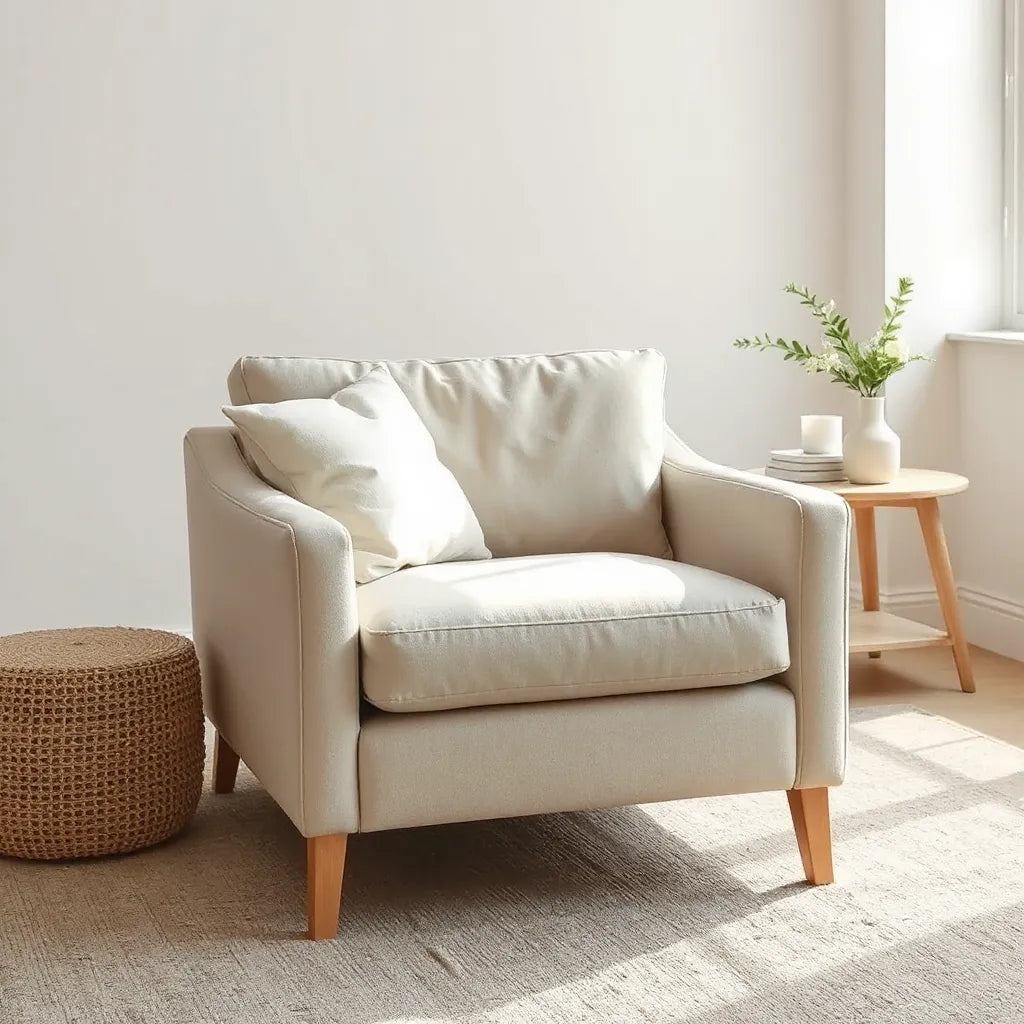
Seat depth, arm position, and back support cues
Ergonomics for daily use
Ergonomics is often associated with office furniture. Yet lounge seating benefits from the same principles. A comfortable chair should encourage healthy alignment while still allowing leisure. This means the chair needs enough support to keep you comfortable, even when you relax and change positions.
Focus on the combination of back angle, lumbar support, and shoulder comfort. A well-designed back can distribute your weight evenly. Cushioning should be stable enough to prevent bottoming out, but soft enough to absorb pressure points.
For daily use, pay attention to how the chair handles common movements: leaning to reach a side table, shifting to read, or turning slightly to watch a screen. Chairs that feel perfect in one position may become inconvenient when you move. Test your comfort by imagining different postures, not only one static pose.
Common challenges
Even careful shoppers face predictable issues when selecting a lounge chair. The good news is that most problems are avoidable when you plan ahead.
Challenge 1: Comfort that fades over time
Some chairs feel comfortable at first but become unpleasant after long use. This usually points to cushioning that compresses too quickly or a seat base that does not support your weight evenly. Look for steady support and avoid overly soft cushions if you plan to sit for extended periods.
Challenge 2: A chair that looks right but does not fit the room
Proportions matter. A large chair can overwhelm a small corner, while a narrow chair may feel lost in a spacious living area. Measure the space for clear walking paths and consider how far you want the chair to sit from a coffee table or side table.
Challenge 3: Difficult maintenance
Some upholstery requires frequent cleaning, especially if you have children, pets, or high traffic. The best choice depends on your lifestyle and your willingness to maintain the chair. Select materials that match your routine and choose covers or finishes that are easy to refresh.
Challenge 4: Support that feels inconsistent
Chairs with uneven padding or unstable bases can feel good at one point and uncomfortable at another. Prioritize consistent construction and test the chair’s stability during selection.
Materials and maintenance
Material selection directly affects comfort, appearance, and longevity. Upholstery type determines how warmth is distributed, how the chair responds to daily use, and how it handles spills and regular cleaning.
Common upholstery categories include fabric, leather alternatives, and natural fibers. Fabric can be breathable and offers wide color options. Leather alternatives often provide a clean surface and an elegant look. Natural fibers can add texture, but they may require careful cleaning to preserve their appearance.
Maintenance should be planned from day one. Consider the following:
- Cleaning frequency: Choose a material aligned with how often you prefer to clean.
- Stain resistance: If spills are likely, prioritize finishes and weaves that are easier to wipe and spot-clean.
- Color choice: Medium and darker shades often mask everyday marks better than very light tones.
- Sun exposure: High sunlight can fade many fabrics over time. If the chair sits near windows, consider UV-resistant upholstery or rotate placement.

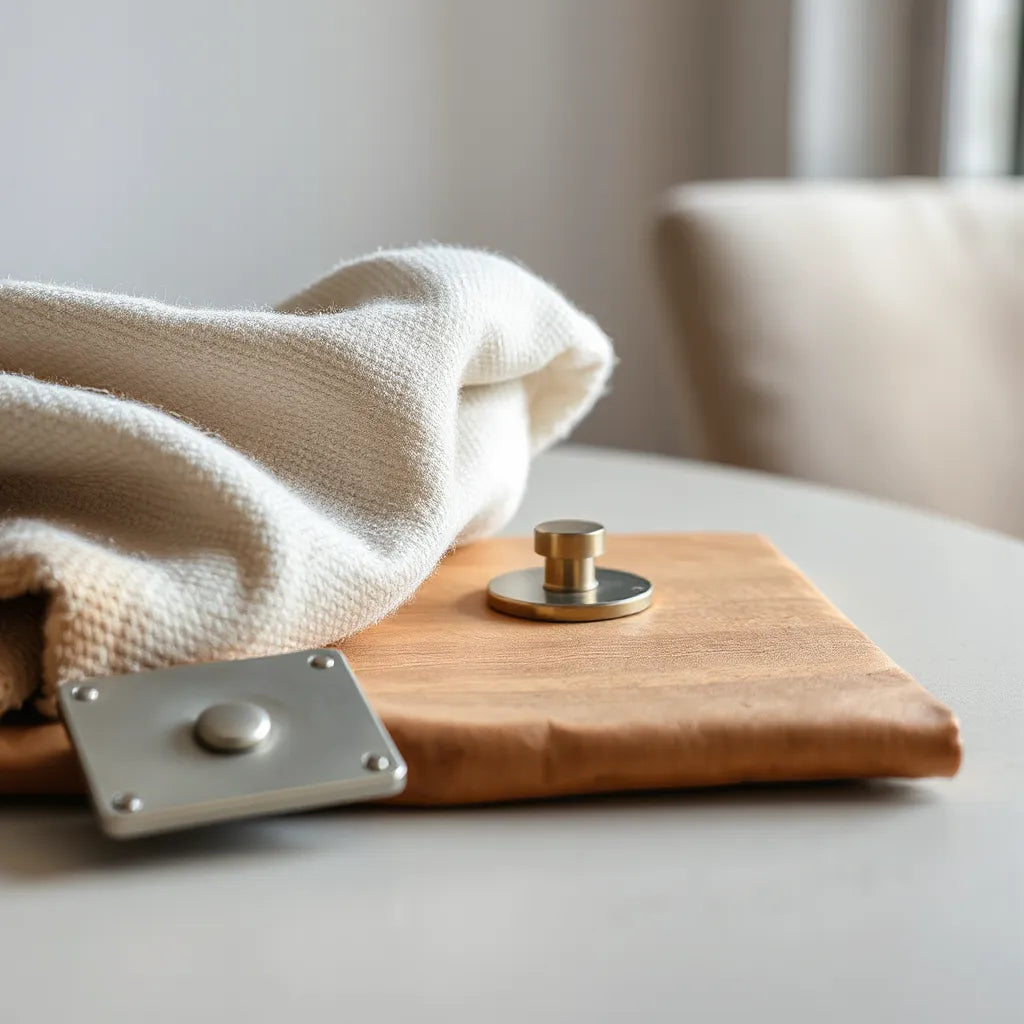
Fabric care tools and maintenance steps represented visually
Comparison: key options for lounge seating
Comfort comes in many designs. The sections below compare typical lounge chair directions so you can select based on your priorities: comfort feel, support, durability, and style flexibility.
| Option type | Pros | Trade-offs |
|---|---|---|
| Upholstered lounge chair | High comfort potential; softer touch; easy to match to textiles | May require more careful cleaning; fabric wear varies |
| Structured armchair style | Clear support; good for posture; works well in modern layouts | Can feel firmer; softness depends on cushion thickness |
| Relaxed, sink-in design | Plush seating; ideal for winding down; strong comfort impression | If overly soft, may reduce long-session support |
| Compact accent lounge chair | Good for smaller spaces; easy to place; versatile styling | Limited space for wider seating comfort |
Use this comparison as a filter. Your final selection should always reflect your body shape, seating habits, and maintenance preferences.
How to style a lounge area
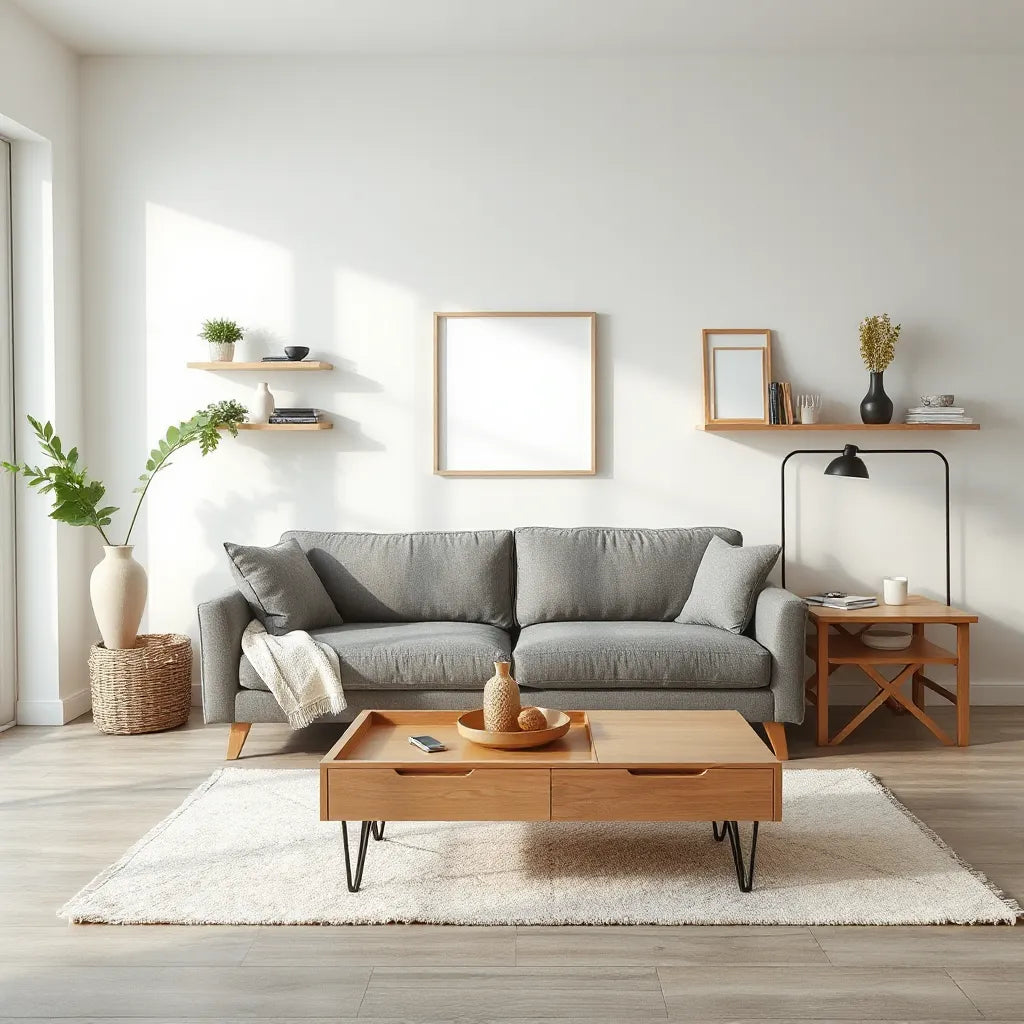
Styling is not only visual. Placement also influences comfort. A well-styled lounge area improves the likelihood that you will use the chair daily. Begin by choosing the chair location and then build around it with lighting and accessory balance.
Follow these steps:
- Define the purpose: Decide whether the chair will be for reading, relaxing, or conversation. Then position it to support that role.
- Choose the right side table height: Your table should allow your arm to rest comfortably while reaching for items.
- Add layered lighting: Combine ambient lighting with a focused lamp so you can comfortably read without glare.
- Use cushions strategically: Decorative cushions should not reduce support. Keep extra padding supportive rather than compressing the seat too deeply.
- Maintain visual balance: If the chair has a strong silhouette, balance it with softer textures nearby.
If you want a design that combines comfort with an elevated look, consider an upholstered armchair profile. For example:
Yokina Chair - designer armchair UK

View Yokina Chair
This type of chair works well as a focal point in a lounge area and supports a comfortable sitting experience when paired with appropriate lighting and side-table placement.
If you are also exploring complementary furniture, you may find it helpful to compare seating options such as Toshiro Chair for additional styling insight.
Summary and recommendations
A comfortable lounge chair should provide more than an initial pleasant look. The best choices deliver consistent support, stable cushioning, and a fit that matches your body and room size. By focusing on seat depth, arm positioning, and back support, you can avoid common issues such as fading comfort and poor long-session posture.
As a practical recommendation, treat your selection as a system: pick the right size first, confirm ergonomic support second, and then choose materials and colors based on maintenance expectations. When you style the chair with balanced lighting and appropriate side-table height, the chair becomes more usable and more satisfying for everyday life.
If you want to refine your search, explore additional lounge-friendly pieces on Nisu Home and compare how different designs handle comfort cues.
Q&A
How do I know whether a comfortable lounge chair will suit long sitting sessions?
Evaluate seat depth, cushion firmness, and back support together. If the seat is too deep or the cushion compresses quickly, you may experience discomfort after time. A chair that keeps your feet stable and supports your back reduces the need for constant posture changes.
What materials are easiest to maintain for a busy household?
Materials with straightforward cleaning routines tend to work best when daily life is active. Look for upholstery that you can spot-clean without difficulty and that does not require complicated care steps. Choosing a medium or darker color can also help hide routine marks.
Should I prioritize a soft feel or structured support?
Comfort usually comes from balance. A slightly softer surface can feel welcoming, but structured support helps you stay relaxed without slumping. If you sit for longer periods, focus on stable cushioning and back alignment first, then select softness that matches your preference.
How should I place a lounge chair relative to other furniture?
Position the chair so you can reach commonly used items without leaning forward excessively. Allow clear walking space around the chair and ensure the side table height supports comfortable arm placement. Good placement improves both usability and the overall comfort experience.
About the Author
Nisu Home is a home styling and furniture guidance team with expertise in selecting seating and living room essentials. Their work focuses on practical comfort, material choices, and how to build cohesive lounge spaces. For shoppers seeking confident decisions, they aim to make selection criteria clear and actionable. Thanks for reading and best wishes for your next comfortable upgrade.

Leave a comment
This site is protected by hCaptcha and the hCaptcha Privacy Policy and Terms of Service apply.