

Updated on: 2026-11-09
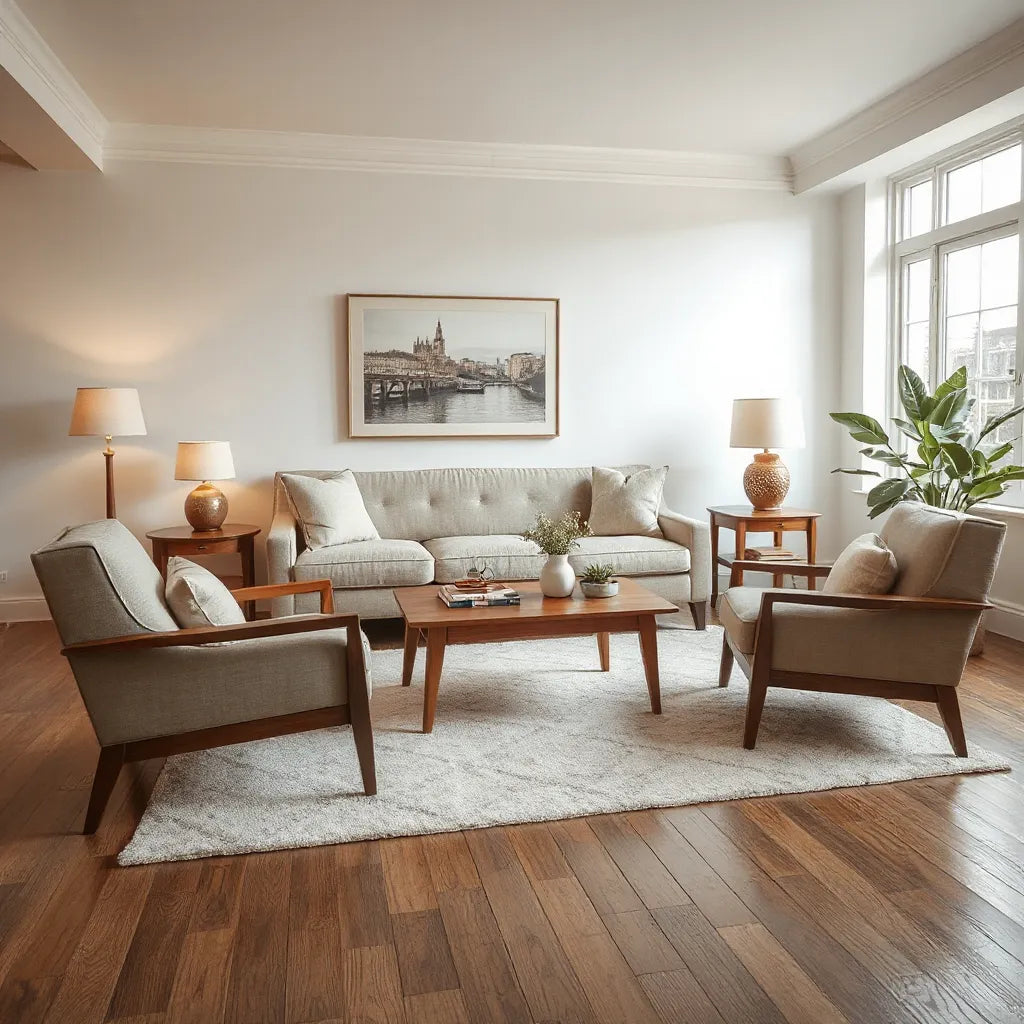
Timeless Interior Designs deliver an environment that stays attractive across changing trends. They rely on durable materials, balanced proportions, and a palette that supports many seasons of use. A thoughtful layout reduces visual noise while improving how daily life feels at home. With smart accents and flexible styling, you can refresh your space without redesigning everything.
A durable approach to home beauty
Design choices often feel urgent when a room looks unfinished or outdated. Timeless Interior Designs address this problem by focusing on fundamentals that remain relevant: structure, comfort, material honesty, and restrained styling. Instead of chasing short-lived trends, you build a home that looks coherent today and still feels right years from now.
In practice, this approach does not mean your space must look identical to every other “classic” home. It means your decisions create a stable visual baseline, so you can adapt finishes, textiles, and decorative accents as tastes evolve.
If you are planning a renovation, a refresh, or a new home setup, the goal is clear: create a room that holds attention without overpowering daily living.
Myths vs. Facts
Myth: Timeless interiors are only beige and neutral everything.
Fact: A timeless room can include color. The key is controlled saturation, consistent undertones, and a palette that supports natural light.Myth: Timeless style requires expensive materials.
Fact: Longevity comes from appropriate material selection and correct placement. Quality craftsmanship and correct care often matter as much as price.Myth: You cannot update a timeless space.
Fact: You can refresh easily by changing soft goods, lighting scenes, or wall art. Fixed elements should provide stability, while accessories can evolve.Myth: Minimal design equals cold or uncomfortable rooms.
Fact: Timeless interior planning balances visual simplicity with warmth. Texture, layered lighting, and comfortable seating support a welcoming feel.
Step-by-Step Guide
Use the following process to design with longevity. Each step aims to reduce regret and increase flexibility.
1) Define the role of each room
Start with how the space functions. A living room may require flexible seating for conversations and casual rest. A dining area may need clear circulation routes and easy access for serving. When function is clear, you can select furniture proportions and wall treatments that match real use.
2) Choose a stable palette before buying anything
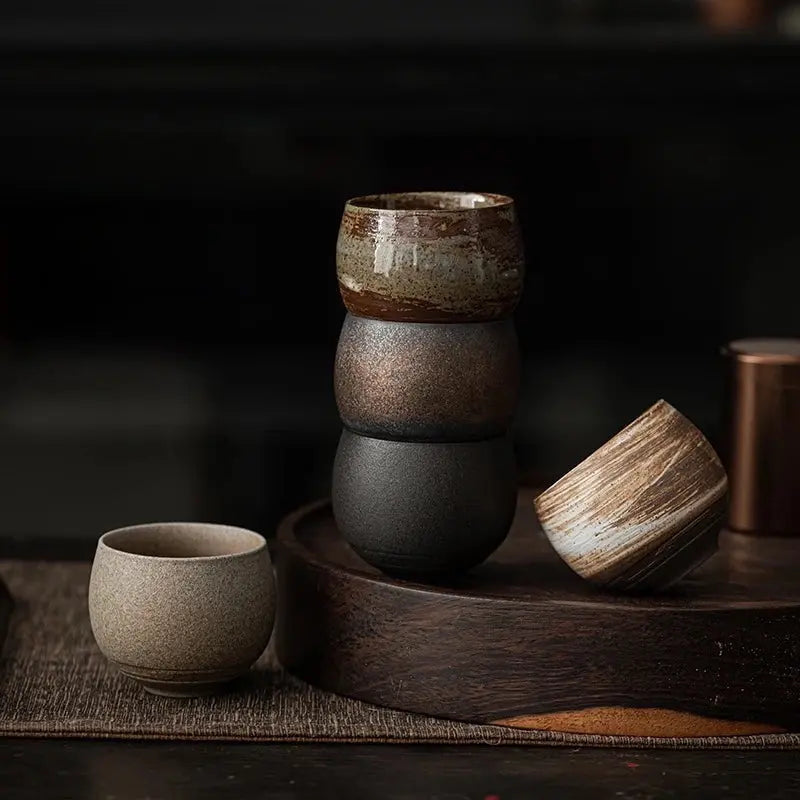
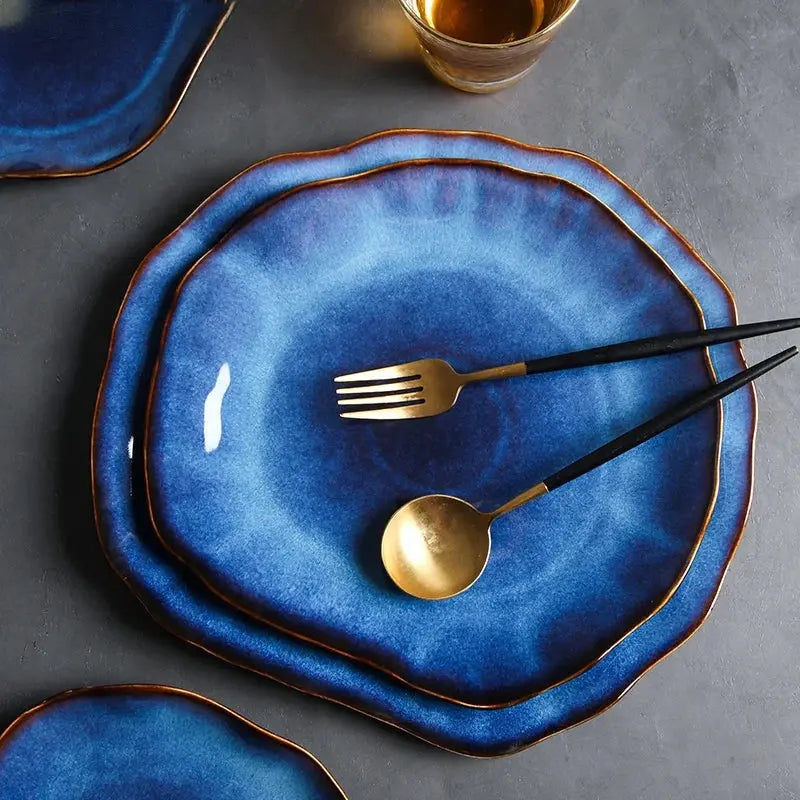
Timeless interior planning begins with color relationships. Select a base tone for walls and large surfaces. Then pick secondary colors for furniture and textiles. Finally, add accent hues through small items such as cushions, frames, and decorative ceramics. This sequence keeps your room cohesive.
3) Prioritize proportions and layout flow
Many dated rooms feel uncomfortable because of spacing problems: narrow pathways, mismatched furniture scale, or inconsistent visual weight. Measure circulation clearances, then align seating groupings and focal points. A balanced layout reduces clutter and supports natural movement.
4) Use durable materials with credible texture
Focus on materials that age gracefully. Wood with stable grain, stone or stone-look surfaces, and properly finished metals typically perform well over time. Texture adds depth even when color remains calm. Pair smooth surfaces with tactile elements such as woven fabrics or matte finishes.
Layout flow icons, warm palette swatches, balanced spacing
5) Create layered lighting scenarios
Lighting defines atmosphere more than most decorative choices. Build three layers: ambient lighting for general brightness, task lighting for reading or food preparation, and accent lighting for artwork and architectural features. Choose fixtures with consistent finishes to avoid visual fragmentation.
6) Select classic forms, then refine with modern restraint
Timeless interiors often use familiar shapes: clean lines, gentle curves, and stable silhouettes. You can still incorporate a more current feel by refining details. For example, you may choose a simpler frame, a softer upholstery texture, or a less ornate hardware style. This balance preserves longevity while keeping the room feeling current.
7) Keep statement pieces intentional
If you want one bold element, make it intentional. A statement can be a large mirror, a sculptural light fixture, or a textured wall panel. Limit the number of focal points so the room remains calm. For everything else, aim for supportive, not competing, visual weight.
8) Plan refresh paths for future updates
A timeless room should allow change without major renovation. Make it easy to swap textile colors, update curtains, or change artwork seasonally. Consider how you will replace worn items. This strategy protects your investment and keeps your home feeling new.
Frequently Asked Questions
What makes a design timeless rather than merely traditional?
Timeless design depends on stable principles. It focuses on proportion, material quality, and a cohesive palette. Traditional references can help, but the goal is a room that remains visually balanced and functional over time.
How can I avoid making my space feel outdated?
Use a controlled color strategy and avoid overly specific patterns that lose appeal quickly. Also, update lighting, hardware finishes, and upholstery textures. Those changes often deliver more impact than repainting every surface.
Is it acceptable to mix styles in a timeless interior?
Yes, as long as your choices share unifying traits. Keep consistent undertones in materials, repeat certain finishes, and maintain a clear layout logic. When the foundational elements agree, style mixing can look refined rather than chaotic.
Summary & Key Takeaways
Timeless Interior Designs are built on fundamentals: stable color relationships, durable materials, and layouts that support real movement. When lighting is layered and focal points are intentional, rooms feel calm and lived-in rather than trend-driven. Most importantly, you can refresh accessories and soft goods without losing the design’s overall coherence.
To begin your own plan, review your current room using the steps above. Then make one change at a time, starting with layout flow and lighting clarity.
Q&A Section
How do I choose colors that stay modern for years?
Select a neutral base that aligns with your natural light conditions. Warm light works well with creamy whites and soft taupes, while cooler light often benefits from crisp off-whites. Then add color through textiles and decor where it is easy to update. This method supports long-term appeal without restricting personal taste.
What layout mistakes most often make a room feel wrong?
The most common issues include incorrect furniture scale, blocked walking paths, and focal points that compete with each other. If the room feels busy, check whether multiple items are trying to be “the star.” Use one primary focal point and keep secondary elements visually quiet. When scale is correct, the space usually feels instantly calmer.
Which updates deliver the highest impact in a timeless refresh?
Lighting improvements, hardware updates, and rethinking textile choices often produce the fastest results. Reupholstering or adding layered curtains can also change how a room reads from a distance. If you want a single high-impact step, focus on lighting scenes that support evening comfort.
About the Author
Nisu Home
Nisu Home is a design-focused team with expertise in interior planning, material selection, and practical styling strategies. We help homeowners build spaces that feel balanced, comfortable, and resilient against changing trends. If you are aiming for longevity in your home, start with the fundamentals and refine with intentional details. Thank you for reading, and we wish you success with your next design update.
For additional inspiration and home-related resources, you may explore Kg2g.store (external site).
If you want to align your dining and seating choices with a timeless direction, you can also review options on Honin coffee table and coordinate them with complementary seating from Izumi chair or Toshiro chair.
Disclaimer: This article provides general design guidance. Results depend on your room size, lighting conditions, and personal preferences. Always verify measurements and material compatibility before making purchases or changes.

Leave a comment
This site is protected by hCaptcha and the hCaptcha Privacy Policy and Terms of Service apply.