

Updated on: 2026-08-17
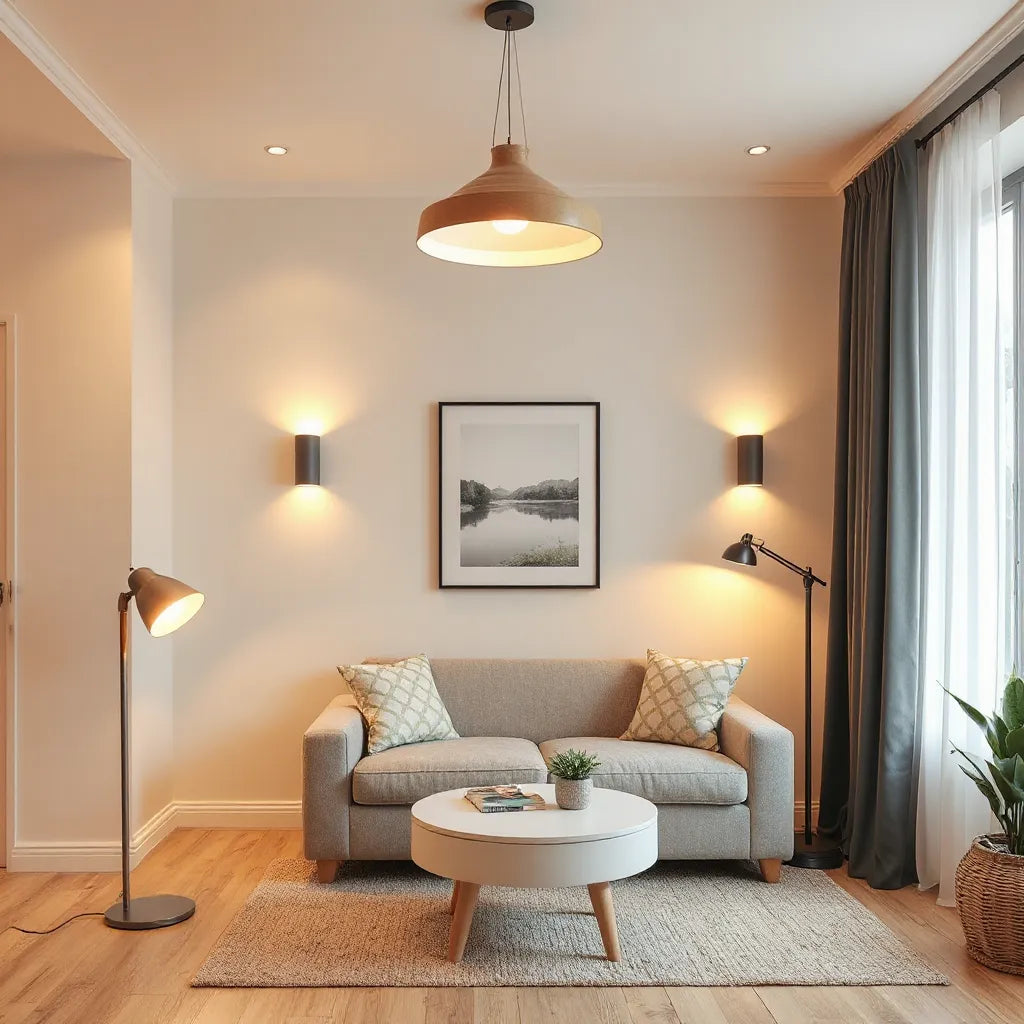
Choosing the right lighting is a practical way to improve how a space looks and feels. Stylish home lighting solutions balance function, mood, and energy efficiency without sacrificing comfort. A layered plan that combines ambient, task, and accent light helps you control brightness and glare in every room. You can also refine the style by matching fixtures to your finishes, ceiling height, and daily routines.
Common Challenges
Even well-designed rooms can feel flat when the lighting plan is incomplete. Many homeowners begin with a single overhead fixture and then try to fix the gaps with extra lamps. This often creates uneven brightness, harsh shadows, or glare on reflective surfaces. If your goal is stylish home lighting solutions, you need a system, not a patchwork.
1) Rooms look bright, yet still feel uncomfortable
Brightness alone does not guarantee comfort. Light color temperature and beam angle strongly affect how your eyes perceive a space. A room may appear “lit” but still feel cold, busy, or uncomfortable. For general spaces, warm-neutral tones usually create a softer visual experience, while cooler tones can emphasize clarity in work areas.
- Use warm-neutral light for living areas and bedrooms.
- Use more controlled, task-focused lighting for work surfaces.
- Prefer diffused or shaded fixtures to reduce glare.
2) Shadows hide details and reduce visual clarity
Shadows often appear when only one light source is used. For example, a pendant in the center of a room can illuminate the ceiling while leaving corners darker. You can solve this with a layered approach: ambient light for overall visibility, task light for activities, and accent light for texture, art, or architectural features.
- Add wall-mounted or recessed lighting to fill corners.
- Position task lamps to the side of the main activity zone.
- Use adjustable fixtures when you want seasonal or art changes.
3) Fixtures do not match room scale and layout
Proportion matters. A fixture that is too large can overwhelm a room, while a fixture that is too small can look like an afterthought. Ceiling height also changes how light spreads. Lower ceilings typically benefit from flush or close-to-ceiling options, while taller spaces can handle pendants and multi-level lighting.
When you plan for stylish home lighting solutions, measure the practical targets first: where people walk, where furniture blocks direct light, and where reflections occur. Then choose fixtures that support the layout rather than fighting it.

Layered light concept with gradient glow and shadows
4) Style choices look good in photos but fail in daily life
Social media styling often emphasizes aesthetics from a single angle. Real living requires consistent illumination across multiple tasks: reading, cooking, hosting, and relaxing. If your lighting choices cannot follow your routine, they will feel limiting. The best style is the one that stays functional in the evening, during meals, and during quiet time.
To align appearance and usability, select fixtures with control options such as dimming compatibility, multi-bulb placement, or separate circuits. This allows you to shift from bright visibility to softer ambiance without changing the hardware.
5) Energy costs rise when lighting is not designed efficiently
Energy efficiency is part of a modern lighting strategy. Inefficient fixtures with excessive wattage can increase operating costs. The most effective approach is to pair efficient light sources with correct placement. If you place light where it is needed, you can use lower output while maintaining comfort.
- Prefer LED technology for long life and stable output.
- Match brightness to room function, not only to preference.
- Use timers or smart controls where routines are predictable.
Comparison: Fixture Styles and Effects
Different lighting fixtures create different atmospheres. The following comparison helps you choose based on visual effect, installation needs, and daily usability. The right combination usually includes a dominant ambient source plus at least one supporting layer for tasks or highlights.
| Fixture type | Best for | Key benefit | Watch-outs |
|---|---|---|---|
| Pendant | Dining, islands, reading corners | Focused style and centered glow | Needs correct hanging height to avoid glare |
| Chandelier or multi-point ceiling fixture | Entryways, formal living rooms | Statement look with multiple light points | May require layered support in large rooms |
| Wall sconce | Hallways, bedside, art lighting | Soft illumination with fewer floor-space demands | Placement must be aligned to sightlines |
| Recessed lighting | Kitchens, general coverage | Clean look and even distribution | Overuse can flatten rooms without accent layers |
| Floor and table lamps | Flex spaces, reading, styling highlights | Easy to reposition and layer | Can clutter if too many units are added |
How to choose fixture finish for a cohesive look
Stylish home lighting solutions often succeed because finishes coordinate with metal accents in the room. Consider the tones already present: cabinet hardware, faucet finishes, appliance trims, and curtain hardware. Matching does not require identical pieces. A balanced relationship is enough, such as pairing brushed metals with warm wood tones or combining matte finishes with soft neutrals.
How to set the right mood with light layering
A layered lighting plan gives control without sacrificing style. Start with ambient light to establish baseline visibility. Then add task light for activities such as reading, cooking, or grooming. Finish with accent light to introduce depth and visual interest. With this approach, your room looks intentional from every direction.

Layered lighting layout with ambient, task, and accent zones
Room-by-room guidance for an upgraded lighting plan
Different rooms require different priorities. Use the following guidance to build a practical plan that still feels curated.
Living room
Living rooms usually benefit from warm, dimmable ambient light plus a pair of lamps for symmetry. Accent lighting can highlight shelving, architectural details, or framed art. Ensure lamps are tall enough to reduce eye-level glare and choose shades that diffuse light gently.
Kitchen and dining
For kitchens, prioritize task illumination over the work zones. Ceiling and pendant lights should support visibility on counters without washing out the entire room. Dining lighting should create an inviting pool of light at table height, supporting conversation and clear dining surfaces.
Bedroom
Bedrooms require softer contrast and comfortable brightness for nighttime routines. Bedside lighting should be positioned for reading without casting harsh shadows. Dimmers are particularly useful because they support a gradual shift from active to restful settings.
Entryway and hallway
Entryways should welcome without shocking brightness. Wall sconces or controlled overhead lighting often provide a calm first impression. Hallways benefit from consistent coverage so that navigation is easy after dark. For variety, use accent points near mirrors or wall textures.
Summary & Recommendations
Stylish home lighting solutions are achieved through a well-planned hierarchy of light. When you combine ambient, task, and accent layers, you create spaces that look designed and feel comfortable across the day. Choose fixtures that match your room scale and finishes, and focus on comfort by managing glare and color temperature.
To implement these ideas quickly, follow a simple process. First, identify your main activities in each room. Second, set baseline ambient lighting for general visibility. Third, add task sources near work zones, and then include accent lighting to enhance texture and visual interest.
If you are also planning seating or dining updates, it can help to consider how lighting and furnishings interact. For example, if your dining setup includes a modern bar or counter arrangement, pairing well-placed lighting with cohesive furniture silhouettes improves overall sightlines. You may explore complementary options at Haruto bar stool for style coordination and practical visual balance.
Finally, for inspiration beyond lighting alone, some customers also browse Otaku Haven to refine their interior aesthetic direction. While browsing should remain for inspiration, ensure your lighting selections still meet functional needs and room dimensions.
Practical checklist before you buy
- Select light color temperature based on room comfort needs.
- Plan multiple layers rather than relying on one ceiling fixture.
- Choose dimmable systems when evening ambiance matters.
- Confirm mounting heights and beam coverage for each fixture.
- Coordinate finishes and shades for a unified visual story.
- Prioritize efficient light sources to manage energy use.
Disclaimer: This article provides general design guidance. Lighting performance depends on fixture specifications, room layout, ceiling height, and local electrical standards. For installation and wiring work, consult a qualified professional and follow manufacturer instructions and applicable safety codes.
Q&A
What is the easiest way to improve lighting without replacing everything?
Start by adding one or two controllable light sources such as a floor lamp or a bedside lamp. Then use dimmable bulbs or compatible dimmers to adjust brightness. This approach reduces harsh shadows and adds layering while keeping your existing ceiling fixtures intact.
How do I balance stylish design with adequate task lighting?
Choose fixtures that serve a clear purpose. Keep task lighting close to the activity area and aim it where work occurs. Then use decorative fixtures for ambient and accent light, so the room looks intentional while the practical areas remain clearly illuminated.
Which color temperature supports a more inviting home atmosphere?
Warm-neutral light often creates a calmer and more welcoming feel in living rooms and bedrooms. For kitchens and specific work zones, a slightly cooler tone can improve clarity. The key is to avoid extreme shifts between rooms, which can make spaces feel disconnected.
How many light layers should a typical room include?
Most rooms benefit from at least two layers: ambient light plus task or accent light. For larger spaces or rooms with multiple functions, three layers are usually more effective: ambient for baseline comfort, task for activities, and accent for depth and detail.
About the Author
Nisu Home
Nisu Home is a home styling and interior design focused team with expertise in lighting aesthetics, room layout planning, and practical comfort. The brand emphasizes cohesive finishes, layered illumination, and durable design choices that work in everyday life. If you want to refine your environment with confidence, the Nisu Home approach prioritizes both function and visual harmony. Thank you for reading, and we wish you success with your next lighting upgrade.

Leave a comment
This site is protected by hCaptcha and the hCaptcha Privacy Policy and Terms of Service apply.