

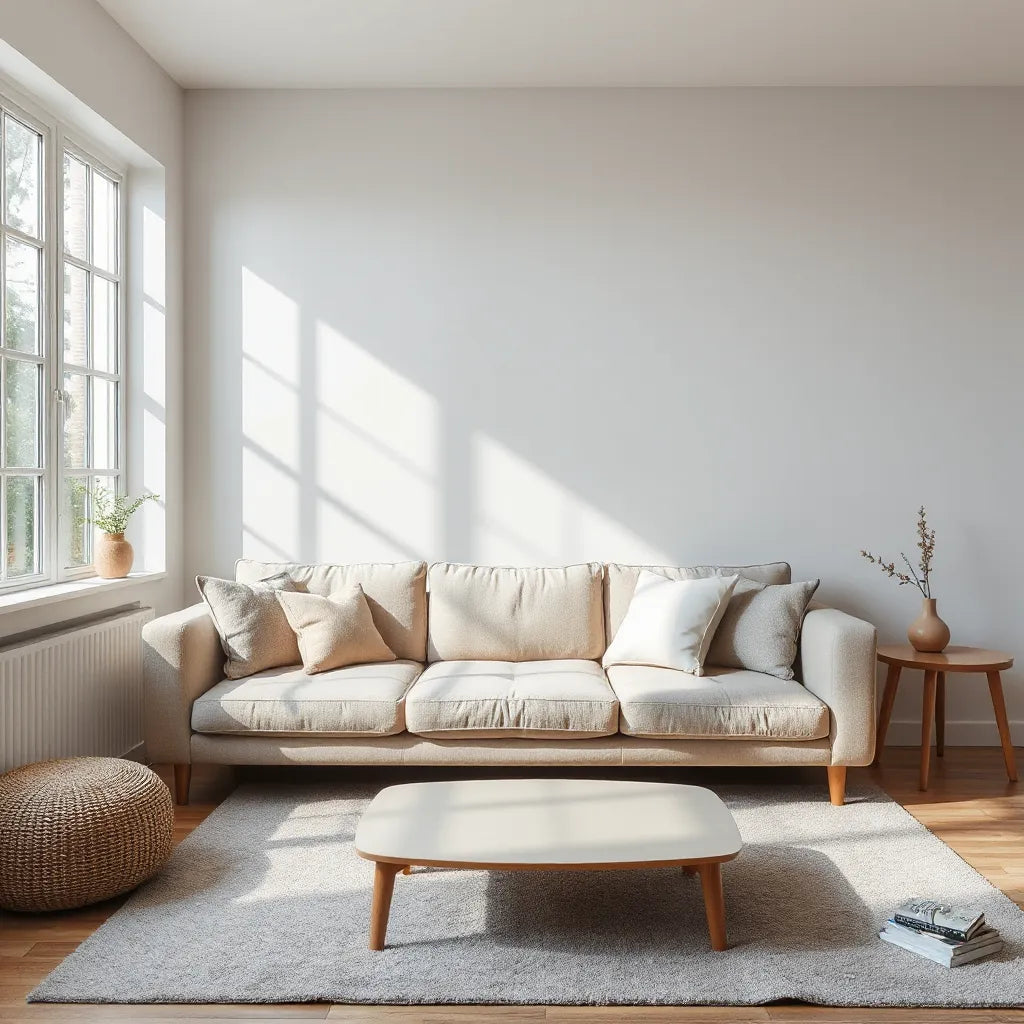
Updated on: 2026-07-16
Sofas set the tone for a living space and influence both comfort and visual balance. A smart buying process starts with measuring your room and identifying the right size, layout, and usage needs. The next step is choosing materials that match your lifestyle, such as performance fabrics, leather, or durable blends. Finally, you should evaluate construction quality, cushions, and maintenance requirements to ensure long-term value.
1. Sofas Buying Checklist: What to Decide First
2. Measure Your Space and Plan Layout
3. Choose the Right Size and Seating Capacity
4. Select Materials and Finishes That Fit Your Lifestyle
5. Evaluate Construction and Cushioning
6. Styling and Placement Tips for a Cohesive Look
How to Choose Sofas: A Complete Buying Checklist
Sofas are more than a place to sit. They define the main seating zone, shape traffic flow, and often become the most used piece of furniture in the home. Selecting the right sofa requires more than picking a color or style. It is about matching dimensions, materials, and construction to your real daily use. When those elements align, the result is comfort that lasts and a room that looks intentional.
This guide focuses on practical decisions that reduce returns and help you avoid common mistakes. You will learn how to plan layout, select materials that match your lifestyle, and assess quality signals such as frame stability and cushion design. Use it like a checklist before you finalize your purchase.

Room layout diagram with seating zones and spacing
Measure Your Space and Plan Layout
Accurate measurements are the fastest way to prevent an unsuitable fit. Begin with the room size and then measure the area where the sofa will go. Include doorways, hallways, and any narrow passages that affect delivery and placement. Even if the sofa dimensions look correct on paper, clearance for opening arms, shifting cushions, and walking paths matters.
Step 1: Measure key distances
- Measure the wall length and the clearance from the sofa position to nearby furniture.
- Measure the space to the nearest entry door and any pathways leading to other rooms.
- Check ceiling height if you prefer a taller profile or high back design.
Step 2: Choose an orientation
- Decide whether the sofa should face a focal point such as a media console or fireplace.
- Consider whether you need extra space for side tables, reading lamps, or a console.
Step 3: Plan clearance for comfort and movement
- Allow walking room behind and around the sofa where possible.
- Ensure you can access the seating without constantly moving other items.
Good layout planning also improves how the sofa interacts with the rest of the room. A sofa that sits too close to other pieces can make the space feel cramped. A sofa that is positioned with appropriate clearance tends to look balanced and feels easier to live with.
Choose the Right Size and Seating Capacity
Size selection involves more than total length. The sofa depth affects legroom and how comfortably people sit back. The seat height influences posture, especially for different age groups and varying mobility needs. The number of seats affects how many people can sit comfortably during regular use versus occasional gatherings.
Step 1: Decide your primary use
- For daily lounging, prioritize seat width and cushion comfort.
- For entertaining, prioritize seating capacity and back support.
Step 2: Consider seat depth and posture
- Deeper seats often feel relaxing but can overwhelm smaller rooms.
- Shallower seats can feel more upright and work well for dining-adjacent living spaces.
Step 3: Match the sofa to your living style
- If the sofa becomes a homework or work-from-home spot, prioritize arm and back support.
- If the sofa is used mainly for watching television, prioritize consistent back height.
A helpful approach is to visualize everyday scenarios. Imagine your most common arrangement: where you place a throw blanket, how a side table aligns, and how people sit when they are settled rather than posing for photos. That mental model clarifies whether the sofa size truly fits your life.
Select Materials and Finishes That Fit Your Lifestyle
The material you choose heavily influences feel, appearance, and maintenance. Sofas commonly come in fabric, leather, and blended upholstery. Each option has distinct strengths, and the best choice depends on how your home operates. If you have pets or children, prioritize stain-resistant fabrics and fabrics with tight, durable weaves. If your priority is a refined look, leather and high-quality performance textiles can deliver a polished appearance with proper care.
Step 1: Evaluate durability and daily contact
- Consider how often the sofa is used and how quickly the fabric shows wear.
- Assess abrasion resistance if your household includes frequent movement across the seat.
Step 2: Choose a color strategy
- Neutral tones help hide everyday marks and broaden styling options.
- Patterned upholstery can mask light stains and reduce visual contrast.
Step 3: Confirm care requirements
- Check whether the upholstery supports spot cleaning or requires professional cleaning.
- Plan for routine maintenance such as vacuuming and cushion fluffing.
Finishes extend beyond upholstery. Wood legs, metal frames, and decorative stitching shape both appearance and long-term resilience. If you want a cohesive style across the room, coordinate sofa hardware with other materials such as your coffee table base or cabinet accents.

Material swatches and cleaning symbols for upholstery care
Evaluate Construction and Cushioning
Construction quality is a decisive factor in lifespan. Two sofas may look similar, yet their frames and cushioning can perform very differently. A well-built sofa maintains shape longer, supports better, and resists sagging. When evaluating quality, look for strong joinery, stable frame design, and cushion materials engineered for repeated use.
Step 1: Check the frame and stability
- Prefer designs that use solid structural support and well-secured joints.
- Test for wobble by gently applying pressure to different sections.
Step 2: Understand cushion types
- Look for resilient foam with layered support for lasting comfort.
- Consider whether cushions are removable for cleaning or re-shaping.
Step 3: Assess comfort through support
- Evaluate back support by sitting upright and leaning back.
- Assess seat comfort after a brief pause, not just an initial feel.
When cushions lose their structure, the sofa can become less supportive and more difficult to enjoy. Quality upholstery and cushion design reduce that risk. This is also where small details matter, such as the seam quality, zipper placement, and how the seat returns after compression.
If you want coordinated seating for a complete arrangement, it can help to match sofa style with complementary seating pieces. For example, you may find it useful to browse modern seating options on IZUMI chair to balance shapes and finishes in the same room. A cohesive mix of seat profiles can make the living area feel curated rather than accidental.
Styling and Placement Tips for a Cohesive Look
Even a high-quality sofa can look unfinished if it does not integrate with the rest of your space. Styling is not only about matching colors. It also involves proportion, layering, and placement rules that guide the eye.
Step 1: Anchor the sofa with a rug or centerpiece
- Use a rug that extends under the sofa front legs to unify the seating zone.
- Choose a rug size that keeps the room from feeling fragmented.
Step 2: Layer with texture and contrast
- Pair upholstery with complementary materials, such as woven throws or textured pillows.
- Use contrast sparingly: one or two accents often look cleaner than many competing patterns.
Step 3: Align side tables and lighting
- Place a side table at a consistent height for visual order.
- Use lighting that supports the sofa’s function, such as softer reading lamps for evening use.
Placement also affects how the sofa functions. If you frequently reach for a drink or book, ensure side-table access. If the sofa is meant for conversation, consider the angles formed by other seating and ensure the central viewing area remains clear.
For homes that connect living spaces with dining or bar areas, it is useful to think about how different seating types coexist. If you are coordinating with counter-height seating, you may consider reviewing bar stool options to maintain a consistent design language across elevations and materials.
Sofa Maintenance and Care for Everyday Durability
Proper care protects upholstery investment and keeps the sofa looking fresh. Maintenance should be routine, not reactive. Small habits prevent dirt buildup and reduce wear patterns.
Step 1: Vacuum regularly and maintain cushion shape
- Use an upholstery attachment to remove dust from seams and crevices.
- Fluff cushions to redistribute filling and maintain even support.
Step 2: Address spills quickly
- Blot spills immediately with a clean, absorbent cloth.
- Avoid aggressive rubbing that can drive stains deeper into fibers.
Step 3: Use protective measures when appropriate
- Consider washable cushion covers if your lifestyle requires frequent cleaning.
- Use appropriate cleaning products that match your upholstery type.
When you maintain a sofa consistently, you reduce discoloration and prolong cushion integrity. Proper care also supports resale value by keeping surface condition stable. If the upholstery requires professional cleaning, follow manufacturer guidance rather than using general-purpose products that may damage fibers.
Common Questions Answered
How do I measure for a sofa if my room layout is irregular?
Measure the full wall span and also measure practical clearance paths, including the distance to doors, windows, and neighboring furniture. Then measure the sofa location in two directions: the straight-line footprint and the turning space required for comfortable access. If the room has corners or alcoves, account for the sofa’s depth and arm width, not only its length.
What is the best upholstery choice for households with pets or frequent use?
Look for performance-oriented fabrics with tight weaves and strong abrasion resistance. These options typically resist daily wear better than delicate textures. If you prefer leather, ensure it is finished to handle everyday contact and plan for consistent conditioning. In all cases, prioritize fabric care compatibility and choose colors and patterns that minimize visible wear.
How can I tell whether a sofa will sag over time?
Assess frame stability by gently testing for wobble and listening for creaks. Evaluate cushion design by pressing down lightly in different areas to understand how quickly it returns. Consider cushion type and layering, and prefer designs that maintain shape after repeated sitting rather than designs that feel soft but lose support quickly.
Should I buy a larger sofa or a smaller one for comfort?
Comfort depends on seat depth, back support, and available walking space. A larger sofa can improve lounging comfort if your room can support its footprint without crowding. A smaller sofa can improve mobility and maintain a balanced layout. Choose the size that preserves clear access to side tables and pathways while still offering the seating space you need for everyday habits.
Summary and Next Steps
Sofas influence both comfort and the overall visual structure of a living space. Begin with measurements and layout planning so the sofa fits your room and circulation needs. Next, select upholstery materials that align with your lifestyle and maintenance preferences. Finally, evaluate construction quality and cushion support to ensure the sofa keeps its shape and comfort over time.
If you want a streamlined approach, create a shortlist based on dimensions, then compare comfort and care requirements. When the sofa aligns with your space and daily routine, it becomes a reliable anchor piece rather than a temporary purchase. Take the next step by reviewing coordinated seating and accessory options on Toshiro chair to help harmonize your entire arrangement.
About the Author
Nisu Home is a home-focused team with expertise in modern furniture selection, materials, and practical styling for real living spaces. Our experience centers on guiding customers toward durable choices that suit both aesthetics and day-to-day comfort. We focus on transparent decision-making and long-term usability. Thank you for reading, and we hope this guide helps you choose the sofa that fits your home with confidence.
Disclaimer: This article provides general guidance for selecting home furniture. Always review manufacturer specifications and care instructions for your specific sofa materials and construction.

Leave a comment
This site is protected by hCaptcha and the hCaptcha Privacy Policy and Terms of Service apply.