

Updated on: 2026-11-05
Contemporary living room furniture shapes how a space feels every day. The right pieces can improve comfort, light flow, and visual balance. Yet modern styles can be difficult to choose when finishes, sizes, and layouts are not planned together. This guide explains how to select furniture with practical steps and clear design criteria. You will also find common questions answered in an accessible format.
1. Define your style direction
2. Measure for comfort and circulation
3. Choose materials and finishes for longevity
4. Plan your layout with sightlines
5. Match scale and storage needs
6. Select a cohesive color and texture plan
How to Choose Contemporary Living Room Furniture That Looks Intentional
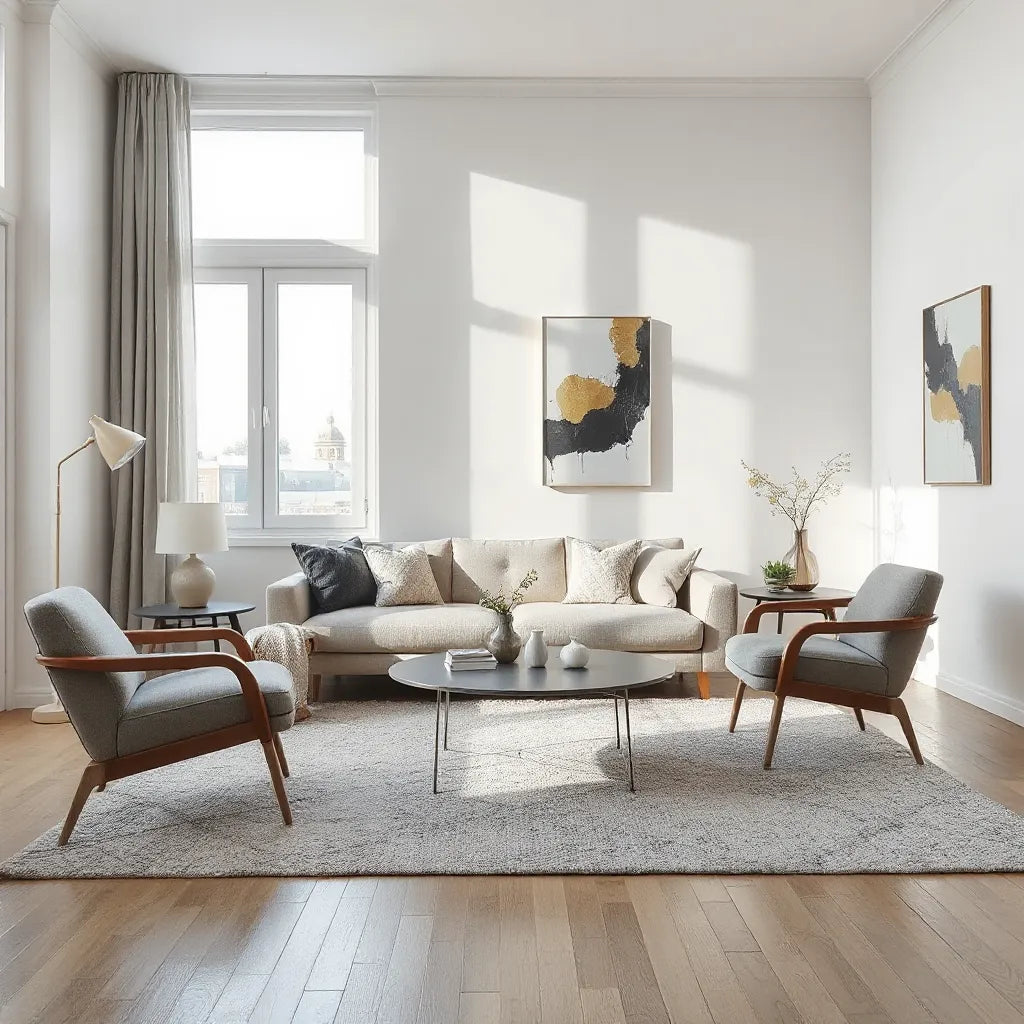
Contemporary living room furniture is often associated with clean lines, balanced proportions, and a calm visual rhythm. However, “contemporary” is not a single look. It can include modern silhouettes, softer transitional details, and minimal ornamentation. The key is not to copy a catalog style. The key is to choose pieces that fit your habits, your room dimensions, and the way natural and artificial light moves throughout the day.
In the following sections, you will learn a structured approach. You will define a style direction, check measurements, select durable materials, plan the layout, and build a cohesive look using color and texture. The goal is to help you create a living room that is both functional and visually steady, without making the space feel empty or overly staged.
1. Define your style direction
Before you compare sofas, tables, and storage, clarify the direction you want. Contemporary designs usually emphasize simplicity, but they can lean toward either “sleek” or “warm.” A sleek direction often features sharper edges, darker wood tones, and a limited palette. A warm direction often uses lighter finishes, fabric upholstery, and subtle texture variation.
Start by choosing one or two style references. Examples include “soft minimal,” “urban modern,” or “gallery-like calm.” Then decide which elements must appear in the room. For instance, if you prefer an uncluttered look, focus on furniture with open profiles or hidden storage. If comfort is the priority, prioritize seat depth, cushion composition, and the feel of the upholstery.
When you define your direction early, it becomes easier to reject pieces that do not support the same visual logic. This prevents the common error of combining several modern styles that do not share proportions, tone, or material language.

Sketch style cues: line art, tone swatches, layout grid
2. Measure for comfort and circulation
Even the most stylish contemporary living room furniture can feel wrong if movement paths are tight. Begin with circulation. Identify how people will pass between entry points, seating, and walkways. Leave enough space for comfortable turning and for guests to sit without rubbing against side panels.
Then measure the seating zone. For a typical arrangement, the distance between the sofa and the coffee table should allow easy reach while keeping a comfortable lean-forward posture. Consider the height of the table relative to seat cushions. Low tables can feel relaxed, while slightly higher surfaces can support reading and drinks more easily.
Finally, check scale in relation to walls and openings. A small room often benefits from lighter visual weight. This can be achieved with slim legs, open bases, or furniture that does not visually “block” sightlines. A large room, on the other hand, needs enough presence so that seating does not appear lost.
3. Choose materials and finishes for longevity
Contemporary furniture is frequently selected for its clean appearance, but the long-term value depends on material selection. Prioritize surfaces that tolerate daily use, especially in high-contact areas like seat arms, table edges, and drink-contact zones.
When choosing upholstery, consider fabric performance and cleaning comfort. Tight-weave fabrics often resist pilling better than loosely woven options. Leather and leather-look finishes can add a refined tone, but they require consistent care to prevent drying or cracking.
For wood components, look for stable finishes that resist dullness and discoloration. For metal frames, confirm the finish is consistent and not overly glossy, which can reflect light in a way that creates visual glare. If you prefer a quieter aesthetic, matte finishes often integrate better with contemporary palettes.
Material consistency matters. If your sofa is in a warm tone, choose coffee table and storage finishes that either match the warmth or create a deliberate contrast. Randomly mixing cool and warm tones can make a room feel unfinished even when individual pieces look attractive.
4. Plan your layout with sightlines
A contemporary living room typically feels cohesive when sightlines remain clear. Sightlines are the visible paths your eyes follow from entry, from the couch, and across the room. Plan the layout so key elements align rather than compete.
One effective method is to anchor the room with a main seating piece and then align complementary furniture around it. If you use a coffee table, place it so it visually connects the seating arrangement. If you include a media console, ensure it does not force the viewer into awkward angles when seated.
Also consider sightline “breaks.” A large sectional may block visual access to a window. In such cases, using a lighter coffee table with less visual mass can help keep the room feeling open. A mirrored or glass-accented surface can also reflect light, but use it sparingly to avoid a reflective, overly bright appearance.
Contemporary living room furniture: scale, storage, and visual balance
Scale is the bridge between design intent and daily comfort. Contemporary living room furniture often features simplified shapes, but correct dimensions still matter. Too large, and the space feels crowded. Too small, and it feels scattered.
5. Match scale and storage needs
Start with the seating footprint. A room that hosts many activities requires storage for items that create clutter. Instead of adding multiple small organizers, choose one storage-forward piece with a clean exterior. Contemporary credenzas, cabinets, and media units typically suit the aesthetic when their door and handle styling aligns with the rest of the room.
Coffee tables and side tables should match the functional flow. If you place drinks, books, or remotes frequently, select a surface with enough usable area. If your living room also serves as a workspace, you may need a more stable table height for comfortable leaning and writing.
Storage should also support the “visual calm” goal. Many contemporary rooms look curated because surfaces stay mostly clear. Plan where textiles and small daily items will go. This can include closed compartments, drawers, or baskets that remain neatly contained.
6. Select a cohesive color and texture plan
Color and texture determine whether contemporary living room furniture reads as intentional or random. Contemporary schemes often use a restrained base with a clear accent. A neutral base may include warm whites, greige, or soft taupe. Then you add depth with darker accents, such as charcoal, smoked tones, or matte black hardware.
Textures provide warmth without adding visual clutter. Pair smooth surfaces with softer ones. For example, matte wood against brushed fabric creates a natural contrast. A room with only shiny surfaces can feel cold, even if the color palette is warm.
Use a simple texture ratio. Aim for two main textures you repeat across pieces, plus one accent texture you introduce once. This approach keeps the room aligned with contemporary principles while still feeling lived in.
Also consider how lighting affects color. Daylight tends to reveal undertones in wood and fabric. Warm interior lighting can deepen browns and soften grays. If you choose a furniture set online, imagine it under both natural and warm artificial conditions, and select finishes that will remain flattering across settings.

Balanced swatches: neutrals, one accent, mixed textures
7. Maintain contemporary pieces over time
Maintenance is what preserves the intended look of contemporary living room furniture. Cleaning should be consistent and aligned with the material. Use microfiber cloths for most surfaces. For wood and sealed finishes, choose a gentle cleaner suited to finished wood so the sheen does not become patchy.
Upholstery care should include routine vacuuming and spot treatment with appropriate agents. Avoid harsh chemicals that can strip color. For leather surfaces, treat them with a conditioner designed for leather finishes when needed, following the care guidance provided by the manufacturer.
Protect high-use areas. Use coasters for drinks, keep sharp objects away from table surfaces, and consider felt pads under decorative items to prevent abrasion. Small protections prevent the “wear pattern” that can make a room look older than it is.
Featured product: Ureshii Coffee Table

View Ureshii Coffee Table
If you want a contemporary centerpiece, a well-proportioned coffee table can unify seating, improve functionality, and anchor the visual rhythm. Choose a table that fits your sofa height and leaves comfortable reach space for everyday use. When the table sits correctly within the seating zone, the whole room feels more ordered.
FAQ
What makes furniture “contemporary” rather than modern or transitional?
Contemporary living room furniture usually focuses on updated silhouettes, simplified forms, and a current balance of materials. Modern pieces can feel stricter or more architectural, while transitional styles often blend traditional comfort with modern cues. Contemporary designs frequently emphasize clean lines paired with textures that keep the room comfortable and approachable.
How do I choose the right size coffee table for a sofa?
Measure the distance from the sofa front to the space you use most. Then select a coffee table that supports easy reach without blocking movement paths. In general, the coffee table should align with your seating height so that everyday tasks feel natural. If your room is small, consider a slightly lighter visual footprint to preserve openness.
Which materials are best for everyday living rooms?
Durable upholstery fabrics, well-finished wood surfaces, and stable metal frames tend to work well in daily use. The best choice depends on your maintenance routine and lifestyle needs. Select finishes that tolerate frequent cleaning and resist visible wear on edges, arms, and table surfaces.
Closing Thoughts
Choosing contemporary living room furniture becomes simpler when you plan from the inside out. Start with a clear style direction, confirm measurements for circulation and comfort, and then select materials that match your maintenance reality. Next, design with sightlines, scale, and storage in mind so the room stays calm even when it is fully used. Apply these principles, and your living room will look intentional for years, not just for the first day.
If you want to refine your setup further, explore curated options and compare how each piece supports your layout. A cohesive living room is built step by step, using functional decisions that also create strong visual harmony.
About the Author Section
Nisu Home is a home design brand focused on modern comfort and practical aesthetics. Our topic expertise covers layout planning, material selection, and style cohesion for everyday spaces. We advise readers with objective design guidance grounded in current interior standards. Thank you for reading, and we encourage you to review your room measurements and make your next choice with confidence.
Disclaimer: This article provides general design guidance only. Always follow the specific care and safety instructions supplied by the manufacturer for each product.


Leave a comment
This site is protected by hCaptcha and the hCaptcha Privacy Policy and Terms of Service apply.