

Updated on: 2026-09-28
Modern Japanese Furniture blends clean lines, careful proportions, and calm materials for everyday living. It supports small-space efficiency while still feeling warm and intentional. The right pieces improve both function and visual order, which is a core goal in Japanese-inspired design. This guide explains what to look for, how to plan a cohesive room, and how to choose styles that remain timeless.
Introduction
Modern Japanese Furniture is more than an aesthetic choice. It is a practical approach to design that emphasizes balance, restraint, and comfort. Many people look for furniture that feels light visually, yet remains sturdy in daily use. Others want a calmer home that supports focused routines, family interaction, and simple organization.
This article focuses on how to choose and style Modern Japanese Furniture for real rooms, not only showrooms. You will learn how to evaluate materials, silhouettes, and storage planning. You will also see how to create a cohesive layout with fewer pieces and better flow. The goal is to help you build a space that stays attractive over time.
Product Spotlight
If you are starting with one focal piece, a chair with a refined profile can set the tone for the entire room. The Izumi chair is a strong example of how Japanese-inspired design can work in everyday dining and living areas. Its proportions support a neat visual rhythm, while its form is comfortable enough for daily use. In a Modern Japanese Furniture setup, chairs are often the first elements visitors notice, so choosing a well-designed profile matters.
Beyond the chair itself, this type of design encourages a broader strategy: select fewer silhouettes, repeat a consistent material tone, and keep visual lines aligned. This reduces clutter and creates a sense of order. When you begin with a chair, you can build the rest of the room around its scale and shape.

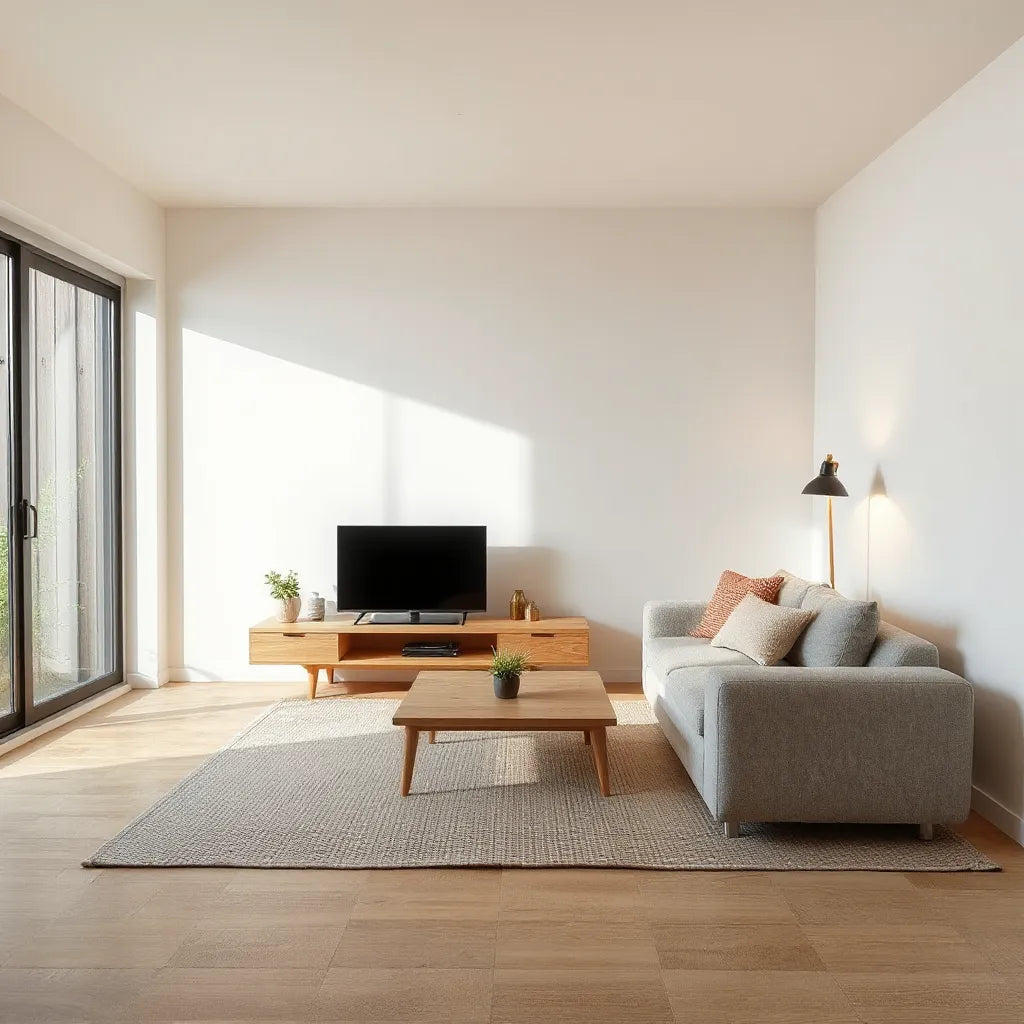
Clean layout cues: straight lines, calm tones, and space flow
What Modern Japanese Furniture Looks Like Today
Modern Japanese Furniture typically reflects traditional Japanese design principles but updates them for contemporary life. It often features gentle minimalism, where every visible element serves a purpose. The style usually avoids heavy ornament and replaces it with texture, joinery details, and thoughtful proportions.
1) Silhouettes that feel light
Common characteristics include slim frames, tapered legs, and open visual space. These details help rooms feel less crowded, even when you own essential items. In practice, light silhouettes also guide the eye, making it easier to maintain a clean look.
2) Materials chosen for warmth and longevity
Wood finishes often play a central role. Natural tones, subtle grain, and matte textures support a calm mood. Many homes also pair wood with textiles such as linen-like fabrics or simple woven textures to soften the overall look.
3) Storage that reduces visual noise
One reason this design approach works well is its focus on organization. Cabinets and sideboards with doors, drawers, and concealed compartments keep everyday items from becoming visual clutter. A well-planned storage solution supports the minimalist look without sacrificing function.
4) A room that flows, not a room that fills
Japanese-inspired modern interiors often prioritize walking paths and sight lines. Furniture placement is deliberate: seating areas invite conversation, while tables and side storage support routines. The result is a calm environment where you can move easily.
To compare your current layout with these principles, use a simple checklist: Are your lines aligned? Does storage hide daily items? Do you have at least one focal point with strong silhouette clarity? Are there walking lanes that remain unobstructed?
Step-by-Step How-To
Use these steps to plan a Modern Japanese Furniture room with confidence. The process is straightforward: define the mood, select the key pieces, then refine details until the space feels cohesive.
-
Set a design goal for the room. Decide what you want the space to feel like. Many people choose “calm and efficient” or “warm and minimal.” This goal will guide every selection.
-
Choose one anchor piece. Start with a chair, cabinet, or table that has a clear silhouette. When the anchor piece feels right, the rest of the layout becomes easier to coordinate.
-
Match scale before matching style. Confirm that the heights and widths fit your room. A Modern Japanese Furniture approach looks best when spacing is intentional, not forced.
-
Select two or three material tones. For example: one main wood tone, one neutral textile, and one complementary finish. Limiting tones prevents the space from looking busy.
-
Plan storage early. Put frequently used items near where you work or eat. Use cabinets and closed storage to protect the visual calm you want.
-
Create visual order with repetition. Repeat similar leg shapes, handle styles, or color depth. Repetition makes the room feel designed, even if you choose fewer items.
-
Balance openness with comfort. Maintain open floor space for movement and add comfort through textiles and layering. A simple rug with a quiet pattern often helps.
-
Finish with functional accessories. Select lighting, trays, and organizers that support daily routines. Keep their forms consistent with the room’s clean lines.
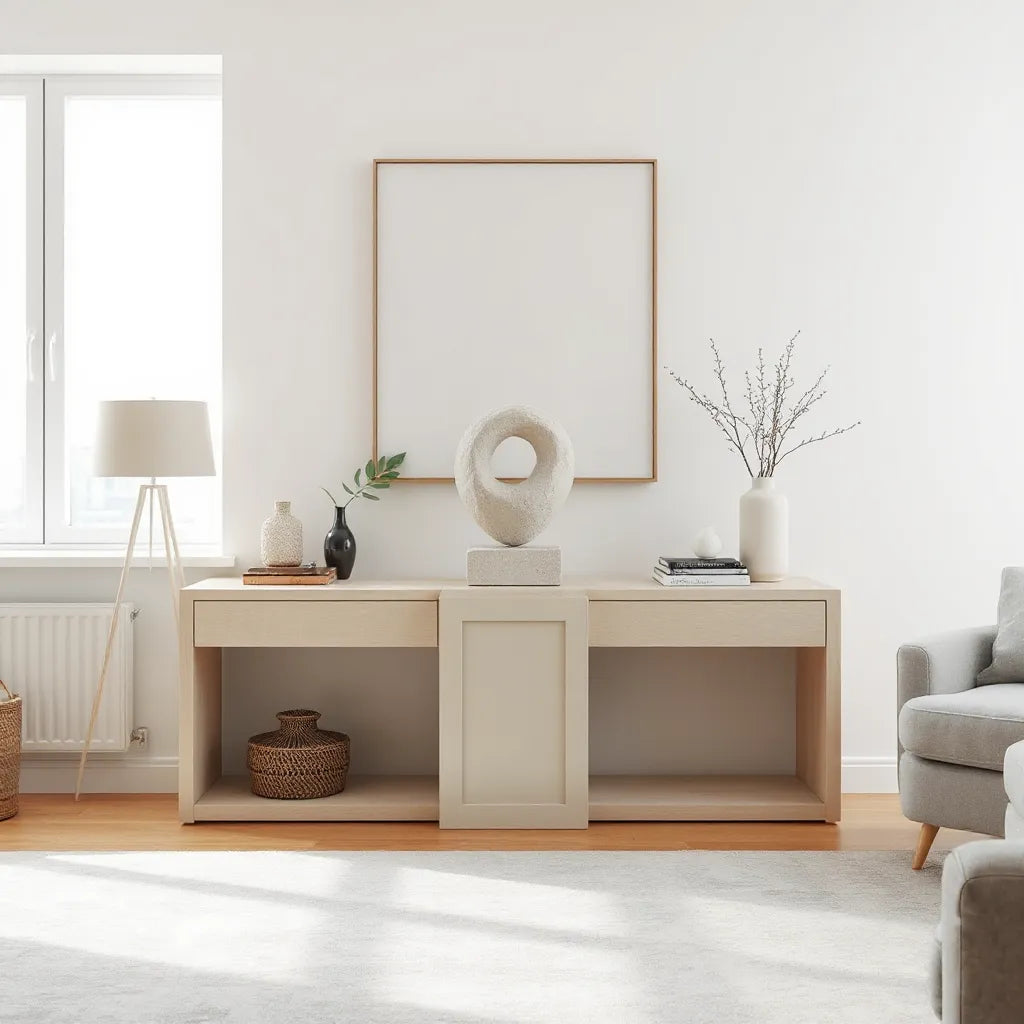
If you want inspiration for how storage can anchor a room, consider a cabinet approach. The Asuka cabinet reflects the idea of practical elegance, supporting organization without visual overload. Even if your space differs, the principle of concealed storage remains valuable.

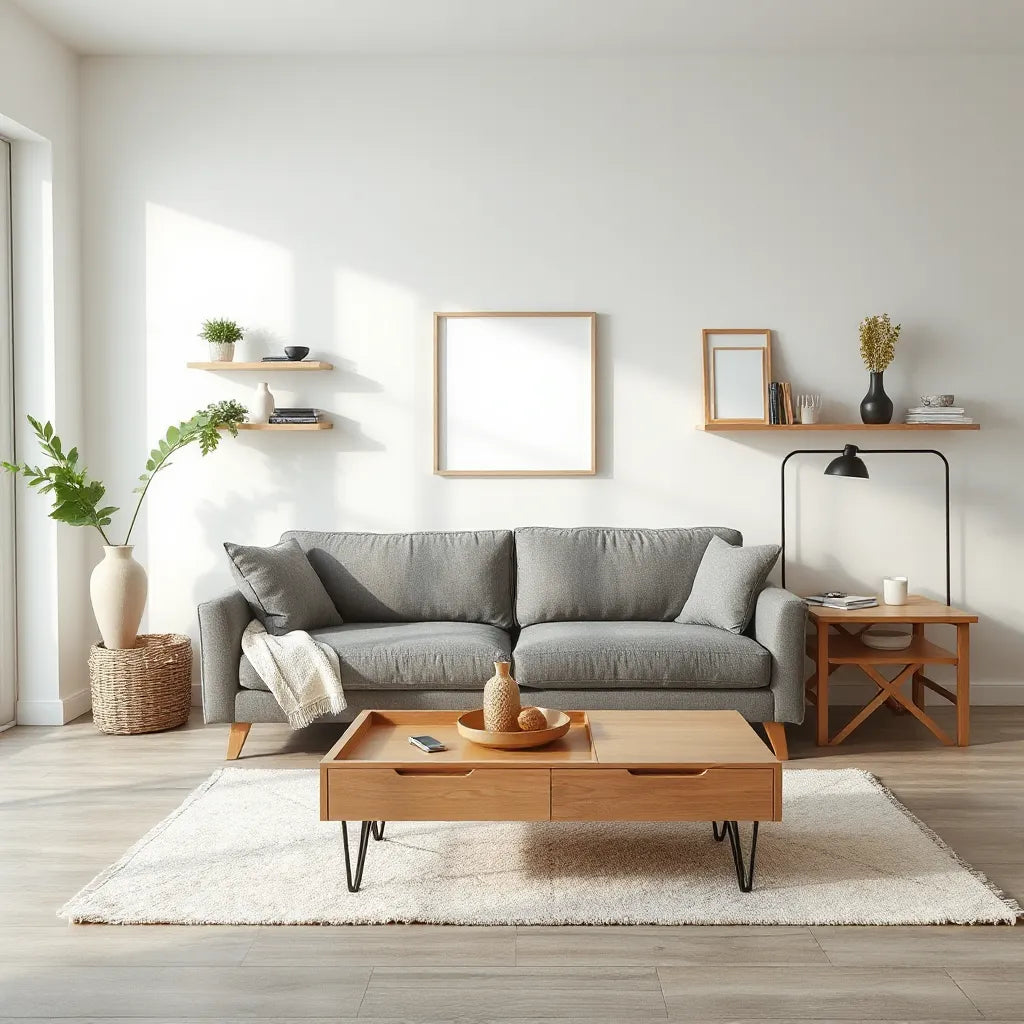
Layered styling: framed sight lines, woven texture, calm lighting
Personal Experience
I first approached Modern Japanese Furniture with a practical mindset rather than a purely aesthetic one. In my home, I was not missing space, but I was missing calm. Every day, small items accumulated on surfaces. Visual noise increased with time, and it started to affect how the room felt.
The turning point came when I selected one piece with a clean silhouette and then rethought how everything else related to it. I focused on alignment and on hiding clutter. Instead of trying to add more decor, I reduced visible items and invested in storage that kept essentials close but out of sight.
Within a few weeks, the change was noticeable. The room looked more intentional, and daily routines felt smoother. Lighting and seating comfort also improved because the layout supported better flow. This experience reinforced an important principle: Japanese-inspired design is not about having less for its own sake. It is about choosing what matters and creating a stable visual order.
Summary & Recommendations
Modern Japanese Furniture is a reliable framework for creating a calm, organized home. The style prioritizes clear silhouettes, warm materials, and storage that reduces visual noise. When you start with one anchor piece and plan scale and materials, the rest of the room typically becomes easier to refine.
Recommendations to act on today:
Start with an anchor element such as a chair or cabinet, then build around its proportions.
Limit your material palette so the room stays cohesive and visually quiet.
Use concealed storage to keep everyday items from breaking the minimalist look.
Improve room flow first. Furniture arrangement should support movement and sight lines.
If you also enjoy modern, design-led home accessories, you may find complementary inspiration from Alampik. Keep your selections aligned with the same principles of restraint and function.
Q&A Section
How do I choose Modern Japanese Furniture for a small apartment?
Prioritize lighter visual silhouettes, such as chairs with slim frames and tables that do not feel bulky. Select closed storage so surfaces remain clear. Plan your walking paths before you purchase items, and choose pieces that keep the floor feeling open. When possible, select furniture that visually repeats shapes or finishes to maintain cohesion.
What materials are most common in Japanese-inspired modern interiors?
Wood tones are usually the foundation, often finished with matte or natural textures. Textiles with simple, quiet patterns help soften the space, especially in seating areas. Metal accents may appear in small doses, but the overall look typically stays warm and understated rather than overly reflective.
Should I buy full sets or mix individual pieces?
Mixing is often more effective when it follows consistent rules. You can combine individual items if they share similar scale, a limited material palette, and compatible silhouettes. Full sets are convenient, but they can sometimes lead to a crowded look if each piece adds its own visual weight. The most successful approach is intentional repetition, not identical matching.
How can I keep the room looking minimal without feeling impractical?
Use storage solutions that match your daily routines. Keep frequently used items near the point of use, and store less frequent items in closed compartments. Then, limit surface displays to a small set of functional objects. Minimalism becomes sustainable when it supports real habits.
Is Modern Japanese Furniture suitable for families with children or guests?
Yes, it can be well-suited when you choose durable finishes and prioritize easy cleaning. Closed storage is useful for managing items that do not have designated places. Comfort matters as much as appearance, so select seating that supports daily use and ensures safe, stable placement.
About the Author
Nisu Home
Nisu Home focuses on modern home design and practical interior styling, with expertise in Japanese-inspired furniture principles such as proportion, storage planning, and warm minimalism. The team evaluates how furniture affects daily flow, comfort, and visual calm. This article is designed to help you make confident, long-term choices that fit your space. Thank you for reading.
Disclaimer: This article provides general guidance for selecting and styling furniture. Product availability, specifications, and finishes can vary by retailer and inventory. Always verify measurements and care instructions before purchase.

Leave a comment
This site is protected by hCaptcha and the hCaptcha Privacy Policy and Terms of Service apply.