

Updated on: 2026-05-18
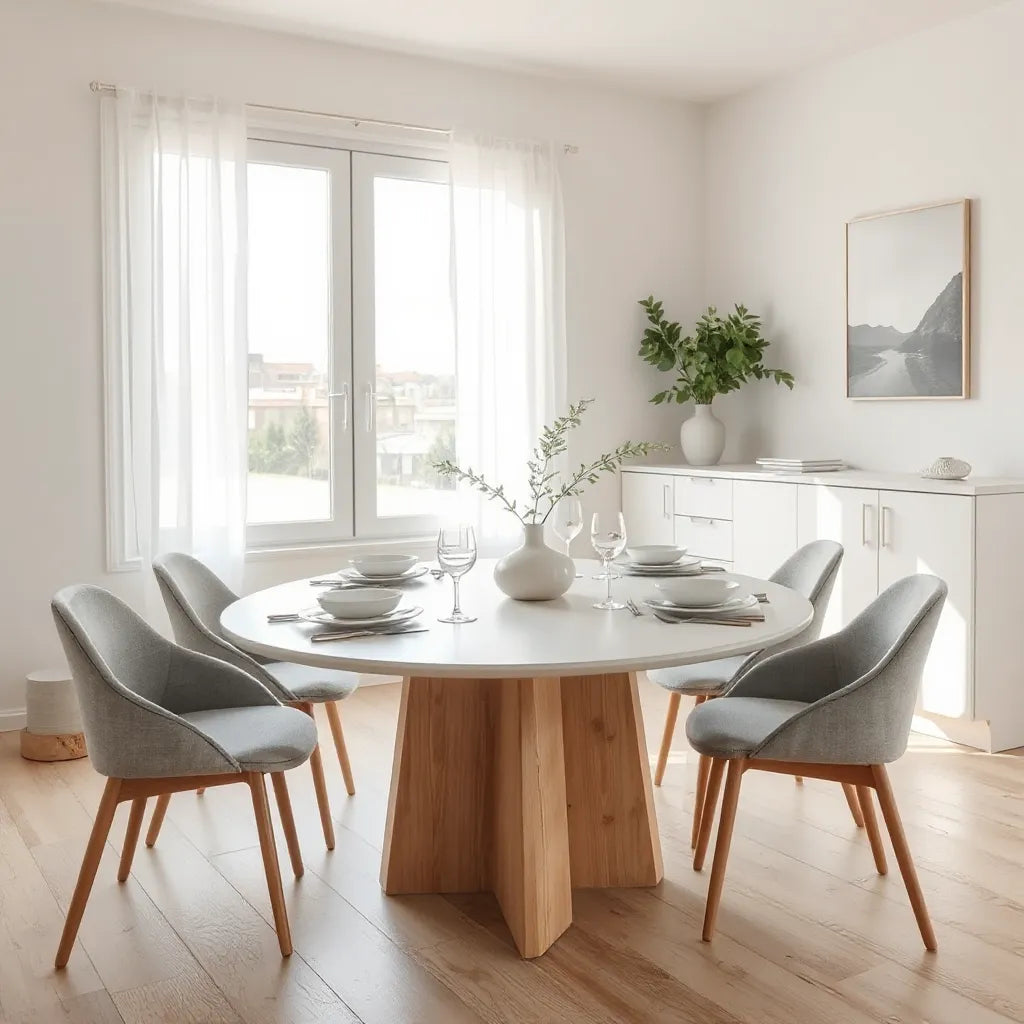
Modern dining tables balance comfort, durability, and visual clarity in everyday spaces. The best options support multiple seating styles, fit distinct room sizes, and improve daily usability with smart materials and finishes. A thoughtful layout and maintenance plan help your table stay aligned with your lifestyle for years. This guide explains how to choose, measure, and style a contemporary dining centerpiece without guesswork.
Table of Contents
Product Spotlight: A Contemporary Coffee Table Approach
When people search for modern dining tables, they often focus on the top surface and overlook the system around the table. A useful way to think about this is to borrow the design discipline from contemporary coffee tables: clean lines, stable proportions, and finishes that tolerate daily use. You can apply the same principles to your dining area by selecting shapes and materials that match your movement patterns and cleaning routine.
Consider how a coffee table is designed to work in a high-touch environment. The best designs usually provide practical surface coverage, easy-to-wipe textures, and a balanced base that does not visually clutter the room. For dining spaces, the parallel goals are clear: a stable frame, comfortable seating clearance, and a visual rhythm that keeps the room calm. If your dining area also connects to a living zone, this approach becomes even more important because your table becomes a focal link between two functions.
To make this practical, review your current dining workflow. Do you set place settings near the table edge, or do you prefer a more open perimeter? Do you move chairs in and out frequently, or do you keep seating fixed? These decisions influence the ideal table edge style, leg placement, and clearance needs.

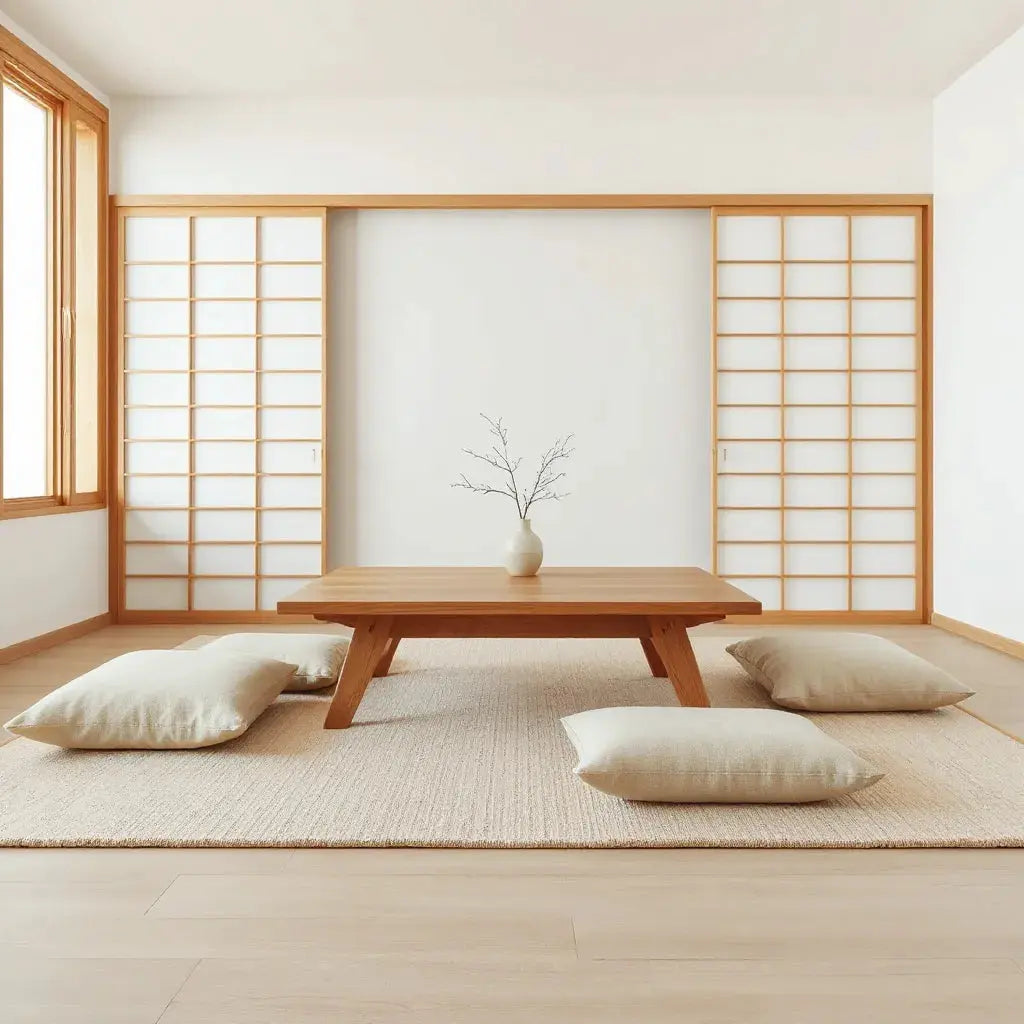
Clean geometric silhouettes and open floor-clearance visuals
If you are curating a modern home look, you can also align your dining table with existing pieces from a consistent design language. For example, a minimal chair profile can visually support a larger dining surface without making the room feel crowded. If you plan to update seating too, you can explore contemporary chair options such as Toshiro chair or Izumi chair. Choosing compatible silhouettes helps modern dining tables look intentional rather than assembled.
Step-by-Step How-To: Choose Modern Dining Tables
The selection process becomes easier when you treat it as a sequence: space, shape, scale, surface, and everyday use. Follow these steps and you will reduce the risk of buying a table that looks correct in photos but feels awkward in real life.
-
Measure the room like a circulation map. Measure the room length and width, then identify door swings, walk paths, and any fixed objects near the dining zone. Keep a clear walking lane around the table so chairs can pull out without scraping walls or blocking pathways.
-
Use a realistic seating plan. Decide whether you need everyday seating, hosting capacity, or both. For family use, prioritize a layout that supports smooth movement. For guests, plan for temporary placement options or an occasional extra chair arrangement.
-
Choose a shape that matches your movement. Rectangular modern dining tables are versatile for most rooms and align well with straight wall lines. Round or oval shapes reduce corner congestion and support conversation flow. Square tables work well in compact spaces when seating clearance is managed carefully.
-
Confirm leg and base clearance. Consider how leg placement impacts comfort. Some bases leave more open space for knees and feet. Others look sleek but may restrict seating positions. If you entertain frequently, prioritize a base that allows guests to sit in a relaxed posture.
-
Select a top finish for your cleaning habits. Modern dining tables frequently use wood, veneers, metal accents, and engineered finishes. Choose surfaces that match your routines. If you wipe often, look for finishes that resist streaking and tolerate gentle cleaning. If you prefer a more natural look, select a finish that maintains warmth and depth over time.
-
Match your chairs to the tabletop height and style. Dining comfort depends on height compatibility. If your chairs have different seat heights, you may feel cramped or strained. Select chairs with compatible proportions and a seat profile that works with your table edge.
If you are also updating seating, consider options like Hitsuji chair or Toshiro chair. Consistent design language improves the overall impression of your dining setup.
-
Plan for table styling without clutter. Modern design values negative space. Choose centerpieces and runners that leave room for daily tasks such as serving, writing, or placing electronics. A simple, repeatable setup is easier to maintain.
-
Implement long-term care to preserve the look. Use coasters for cups, placemats for hot dishes, and gentle cleaners designed for your surface type. Avoid harsh abrasion that can dull finishes. With consistent care, modern dining tables keep a crisp appearance.
As a practical reference for choosing complementary pieces across a space, you can also review curations from Samara Designs Studio. Their approach emphasizes coherence in materials and layout, which is directly relevant when styling a dining area.

Dining layout grid showing clearance and seating balance
Personal Experience: Living With a New Dining Layout
I recently helped a household reorganize their dining space after they replaced an older table with a cleaner, more contemporary silhouette. The room looked excellent immediately, but the first week revealed a practical issue: chair pull-out comfort varied across positions. Two chairs were fine, but one corner placement felt tight because the base reduced knee clearance.
Instead of treating the solution as a style problem, we treated it as a usability problem. We measured the walk path again, adjusted chair positions, and rechecked clearance near the door. The dining area became more comfortable within minutes. This experience reinforced a core truth: modern dining tables should be chosen for daily movement, not only for visual impact.
Another lesson was about surface expectations. The new finish held up well under normal wipe-down cleaning, but it was less forgiving for spills that were not cleaned quickly. Once we adjusted our routine to include coasters and placemats, the table retained a crisp look without extra effort. The change was not complicated, but it supported long-term appearance.
Finally, the household learned that styling matters when the room shares sightlines with other spaces. When the dining area connects to a living zone, the table becomes part of a broader visual system. By keeping the centerpiece low and choosing a runner that does not block reach, the table remained functional and still aligned with the modern aesthetic.
Summary & Recommendations
Modern dining tables deliver the best results when you choose for comfort, layout, and maintenance from the beginning. Prioritize room measurements and circulation. Select a shape that supports your seating flow. Confirm base clearance so guests can sit comfortably. Choose finishes that match your cleaning habits and protect the surface from everyday wear.
- Measure first, then select. Seating clearance and walk paths often determine comfort more than appearance.
- Choose shapes with intent. Rectangular tables support structured layouts, while round or oval tables improve conversational flow.
- Match chairs to the table system. Compatible seat profiles and leg clearance create a polished, cohesive look.
- Use consistent care. Coasters, placemats, and gentle cleaning preserve the finish and reduce wear.
If you want a curated modern look, review complementary chair options from Izumi chair, Honin coffee table ideas, or similar pieces that share a clean design language. The goal is harmony across the space, so your dining table feels like a natural centerpiece rather than an isolated purchase.
Q&A Section
What size modern dining tables work best for small rooms?
For smaller rooms, prioritize a shape that reduces corner congestion, such as round or compact rectangular designs. Ensure you can pull chairs out without hitting walls or doorways. Aim for clear walk paths and keep chair placement symmetrical where possible to maintain visual balance.
How do I choose between wood and engineered finishes for a modern dining table?
Wood provides warmth and natural character, while engineered and sealed finishes often offer predictable performance and easy cleaning. Consider your cleaning routine, exposure to sunlight, and how quickly you typically address spills. If you need a finish that tolerates daily wiping, choose a surface designed for frequent household use.
Are metal accents compatible with a minimalist dining style?
Metal accents can complement minimalist and contemporary dining designs, especially when the color and finish are consistent across the room. Choose tones that match your existing hardware, lighting, and decor. Keep metal elements visually balanced by using fewer, more intentional accents rather than multiple contrasting finishes.
What is the most common mistake when buying a contemporary dining table?
The most common mistake is selecting based on appearance alone without verifying clearance. People often fail to account for chair pull-out space, base dimensions, and leg comfort. A quick measurement review before purchase can prevent discomfort and reduce returns.
About the Author Section
Nisu Home
Nisu Home is a home design and product curation team focused on modern interiors, practical furniture choices, and cohesive styling. Our expertise covers layout planning, material selection, and everyday usability for dining and living spaces. We support readers with clear guidance that helps decisions remain confident and consistent. Thank you for reading, and we wish you success in building a dining setup that fits your lifestyle.

Leave a comment
This site is protected by hCaptcha and the hCaptcha Privacy Policy and Terms of Service apply.