

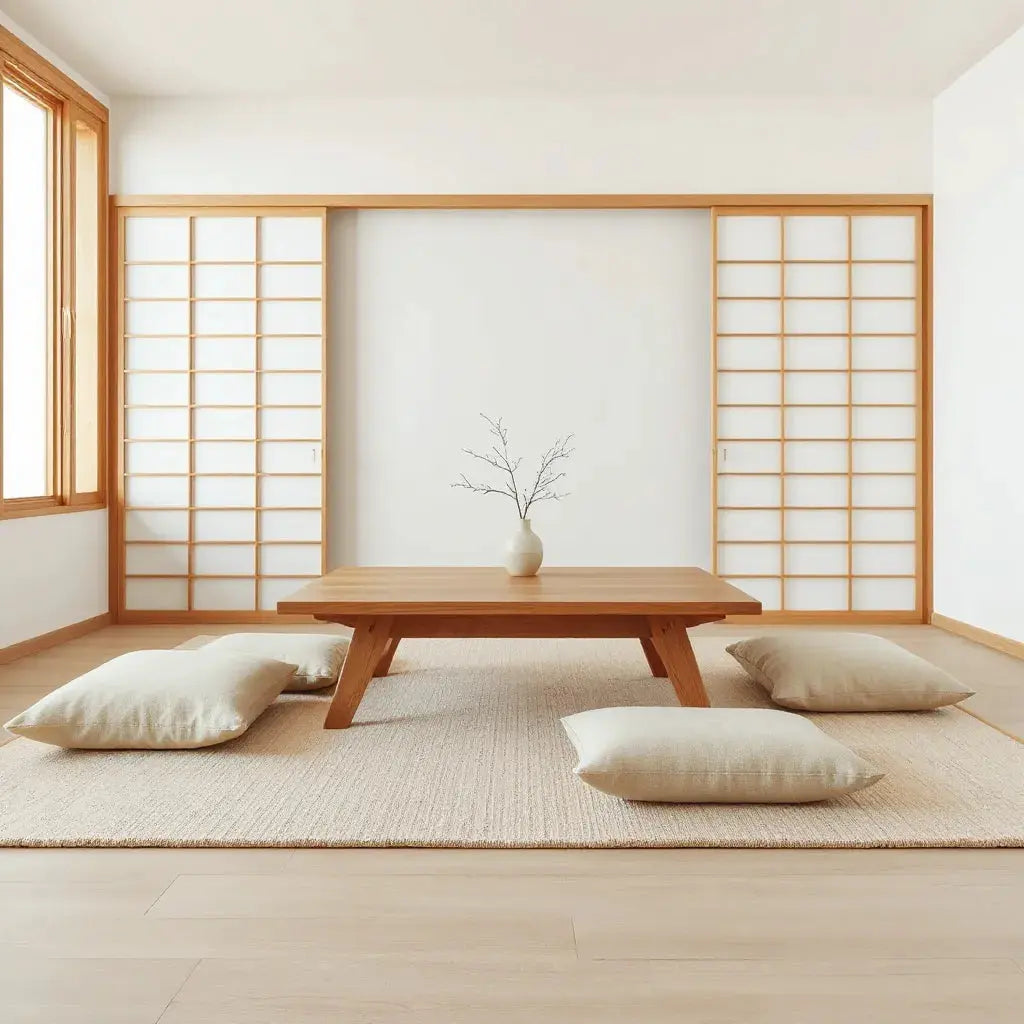
Updated on: 2026-05-14
Japanese minimalist furniture brings calm, order, and long-term usability to everyday spaces. It prioritizes clean lines, smart storage, and materials that age well. When selected thoughtfully, it can make rooms feel brighter and easier to maintain. This guide explains how to choose pieces, avoid common mistakes, and build a cohesive layout that stays functional.
Introduction to Japanese minimalist furniture
Japanese minimalist furniture is more than a visual style. It is a disciplined approach to selecting pieces that support daily life with clarity and intention. Readers can use this guide to understand design principles, evaluate materials, and plan layouts that remain comfortable as needs change. You will also find practical tips for maintenance, spacing, and storage so the look stays clean without feeling restrictive.
In this article, the focus is on timeless criteria: proportion, function, and restraint. You will learn how to build a cohesive room using a small set of versatile elements rather than filling every space. That approach typically reduces clutter, simplifies cleaning, and improves overall usability.
Product Spotlight
When people search for Japanese minimalist furniture, they often want furniture that feels quiet yet purposeful. A strong starting point is a compact seating or storage solution that preserves floor space. Pieces with straightforward silhouettes and careful joinery tend to look consistent over time, even as you refine other decor.
For example, consider a chair with a calm profile and durable build, or a cabinet that supports visual order by hiding everyday items. Selecting one functional anchor first makes the rest of the room easier to design. You can then layer texture through textiles and maintain negative space around each piece.
- Clean geometry that supports a balanced, uncluttered look
- Practical storage or seating function for daily routines
- Materials and finishes that age gracefully

Balanced shapes, open floor space, calm material tones
If you want a concrete direction, explore seating options designed for comfort without excess visual noise. For internal inspiration, you can review Izumi chair or compare styles by checking Toshiro chair. These references can help you identify the level of visual simplicity that fits your room and your lifestyle.
Myths vs. Facts
Minimal design can be misunderstood. Some buyers assume that Japanese minimalist furniture must be extremely sparse or uncomfortable. Others think it is only for small rooms. These ideas create avoidable design stress.
Myth: Minimal furniture means no comfort
Fact: Minimalism is about reducing visual clutter, not removing comfort. Good pieces support posture, stable footing, and everyday routines.
Myth: It only works in tiny spaces
Fact: The same principles of proportion, spacing, and storage apply to larger rooms. You can create calm zones and clear walk paths.
Myth: You must buy everything at once
Fact: A staged approach works well. Start with one anchor piece, then add complementary items as your layout becomes clearer.
How to choose Japanese minimalist furniture
Choosing the right pieces is easier when you evaluate them through functional questions. Instead of focusing only on the look, consider how the furniture affects movement, cleaning, and storage. This is where Japanese-inspired minimalism often performs best: it supports routine without adding friction.
1) Prioritize scale and spacing
Begin by measuring key distances: walkways, door clearances, and the space around seating. Minimalist rooms still need circulation. Aim for enough room to pull chairs smoothly and to access storage areas without awkward angles.
2) Select materials that match your maintenance needs
Look for finishes that resist daily wear and that are appropriate for your climate. Light-colored wood and simple veneers often show less visual noise. Dark finishes can look bold but may highlight dust more easily. Choose the finish that you will realistically keep consistent.
3) Use storage as a design tool
Clutter is the enemy of minimalist harmony. Storage furniture should reduce surface stacking and keep frequently used items contained. Cabinets with covered compartments, benches that conceal essentials, and tables with organized storage options can all support a cleaner daily rhythm.
If you want a cabinet-led solution, you may consider Asuka cabinet as a reference for how enclosed storage can support visual calm. For small-room flexibility, a minimalist chair like Min chair can also help you maintain open floor space.
4) Match the grain and finish across the room
Japanese minimalist furniture often looks cohesive when finishes do not compete. A consistent tone across wood surfaces can unify different categories, such as seating and tables. You do not need exact matches, but you should avoid mixing finishes that clash in undertone.
Layout and styling principles
Minimalism becomes visible in spacing, alignment, and the controlled placement of objects. Even high-quality Japanese minimalist furniture can look busy if the layout ignores flow. Use these principles to shape a room that feels steady and intentional.
Use negative space to control visual pressure
Negative space is not emptiness for its own sake. It is a design buffer that lets each piece breathe. Leave open areas where the eye can rest. Avoid placing decor directly against furniture edges unless there is a functional reason.
Create one focal point per zone
Most rooms work best with a single focal anchor, such as a low coffee table, a cabinet wall, or a seating group. In Japanese-inspired interiors, low profiles often help the room feel grounded. A coffee table with a simple top surface can also provide space for daily use without creating clutter.
If you want to examine a minimalist table direction, you can review Honin coffee table for an example of low, clean styling.
Keep surfaces functional
In minimalist interiors, surfaces should have a job. A table is for keys, a tray is for small items, and shelves should be purposeful. When surfaces become decorative storage, the room gradually loses order.
Layer texture with textiles, not with excess objects
Visual softness often comes from textiles such as cushions, throws, and simple curtains. Choose neutral colors and repeat textures across the room for unity. This technique provides warmth without increasing visual clutter.

Zoned layout with open pathways and simple focal point
Maintenance and longevity
Japanese minimalist furniture tends to reward careful upkeep. The goal is to preserve finish quality and prevent small issues from becoming visible. With consistent care, you reduce deterioration and maintain the intended calm appearance.
Dust with a consistent routine
Dust can accumulate faster on surfaces that are visually prominent, such as tabletop edges and chair backs. Use a microfiber cloth and gentle strokes that follow the grain where applicable.
Protect finishes from heat and moisture
Place coasters and use felt pads under cups, vases, and decor items. Avoid long exposure to direct sunlight if your furniture finish is sensitive. For moisture-prone areas, ensure proper ventilation.
Inspect joints and fasteners periodically
Minimalist furniture often uses joinery that is both functional and visually clean. Periodic checks can prevent wobble and can keep alignment true. Tighten hardware if your furniture uses removable fasteners.
Repair small scuffs early
Small scratches can become more noticeable over time. Address early marks with appropriate touch-up products designed for the furniture finish. When unsure, test on an inconspicuous area.
Frequently Asked Questions
What makes Japanese minimalist furniture different from other modern styles?
It emphasizes restraint, functional clarity, and balanced proportion. The design aims to reduce visual noise while still supporting comfort and daily use.
Will Japanese minimalist furniture work with my existing decor?
Often, yes. The key is to match scale and tone. Neutral wood finishes and simple silhouettes typically blend well with many contemporary and traditional interiors.
Do minimalist rooms need fewer items, or just different items?
They usually need fewer visible items. You can keep necessary belongings, but you should store them in enclosed compartments or organized containers to preserve visual calm.
How do I avoid making a room feel too empty?
Use textile layering, add functional storage, and create one focal point per zone. You can also vary height with a simple floor lamp or a low console while keeping object count limited.
Final Recommendations
To build a room with Japanese minimalist furniture, begin with an anchor piece that supports a daily routine. Prioritize scale, choose materials that you can maintain, and use storage to keep surfaces clear. Then refine the layout using negative space and a single focal point per zone. This method reduces design guesswork and creates a cohesive look that lasts.
- Start with one chair, cabinet, or table that defines the room’s function.
- Maintain consistent wood tone and finish undertone across furniture.
- Use enclosed storage to keep the visual field calm.
- Choose textiles for warmth and texture, not additional objects.
If you want to compare how different seating silhouettes can influence a minimalist layout, review internal options such as Emi bar stool for a clean, counter-ready look. For broader shopping inspiration, visit Kg2g.store once to explore complementary home goods.
Q&A Section
How can I tell whether a piece supports minimalist living?
Choose furniture that reduces daily friction. If a chair is comfortable, a cabinet hides clutter, and a table offers usable surfaces without overcrowding, it supports minimalist living.
What is the safest way to introduce color in a minimalist room?
Use color through textiles and small accessories rather than large furniture surfaces. Keep the palette restrained and reuse similar tones across pillows, curtains, or a rug.
Are low tables and low-profile furniture always better?
Low-profile pieces often support openness, but the best choice depends on seat height and your daily posture. Prioritize ergonomic comfort and alignment with the seating you plan to use.
How many pieces should I include in a minimalist living area?
There is no fixed number. Focus on a functional set: seating, a storage option, and a central surface for everyday use. Keep extra items stored or minimized so surfaces remain easy to reset.
About the Author
Nisu Home
Nisu Home shares practical guidance on interior design and furniture selection with an emphasis on calm, functional aesthetics. The team focuses on how thoughtful materials, proportions, and storage choices improve daily comfort. This article is intended to help you design with clarity and confidence. Thank you for reading, and we encourage you to build a home that feels balanced and easy to maintain.
Disclaimer: This article provides general design guidance and does not guarantee results for every home. Always measure your space, confirm product specifications with the retailer, and follow manufacturer care instructions for any furniture you purchase.
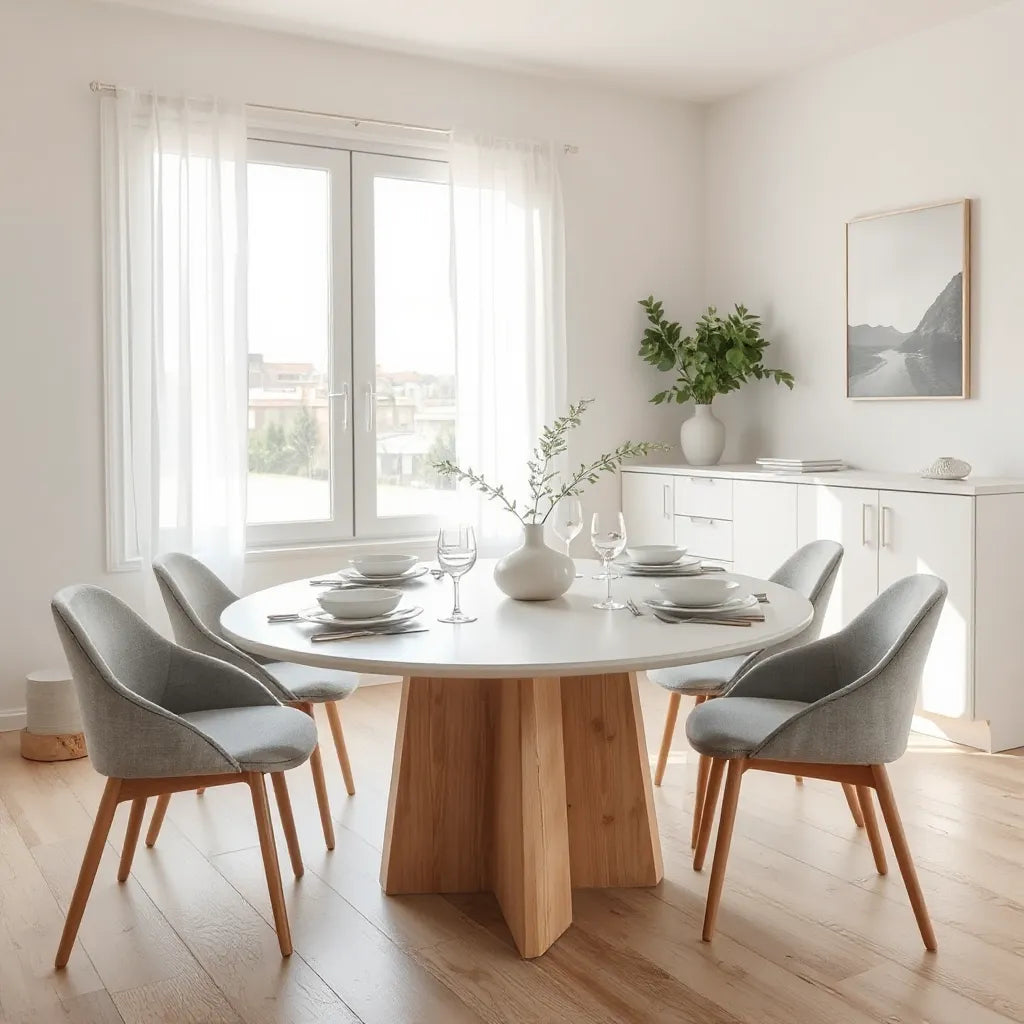

Leave a comment
This site is protected by hCaptcha and the hCaptcha Privacy Policy and Terms of Service apply.