

Updated on: 2026-11-10
Japanese minimalist furniture is designed to feel calm, orderly, and functional. When you choose pieces thoughtfully, your rooms look cleaner while daily routines become easier. This guide explains key benefits and trade-offs, then walks you through selection, layout, and care. You will also find practical answers to common questions about materials, sizing, and styling.
Pros & Cons of Japanese Minimalist Furniture
Step-by-Step Practical Guide
Wrap-Up
Q&A Section
Pros & Cons of Japanese Minimalist Furniture
Japanese minimalist furniture is not merely a design trend. It is a philosophy that favors restraint, proportion, and purposeful storage. Used well, it supports a home that feels lighter and more intentional.
Key advantages
- Visual calm and focus: Fewer lines and subdued finishes reduce visual noise, which helps rooms feel more spacious.
- Practical function: Many pieces emphasize storage, seating stability, and easy daily use.
- Material-driven quality: Traditional and modern versions often highlight wood grain, natural textures, and durable joinery.
- Timeless styling: The look typically remains relevant because it relies on proportion rather than short-lived decoration.
- Better space planning: Minimal silhouettes can make circulation paths clearer, especially in compact apartments.
Common limitations
- Storage may require organization: Minimal furniture often hides function. If you lack storage habits, clutter can appear quickly.
- Not always compatible with heavy use: Some minimalist designs have lighter frames. Weight capacity and everyday demands should be checked.
- Color and finish may show contrast: Light woods can reveal shadows and dust more clearly than darker finishes.
- Style can feel too sparse: Over-editing can make a room feel cold. The solution is controlled warmth through textiles and lighting.
To get the best results, focus on balance: clean forms, enough storage, and a few warm materials that soften the overall look.

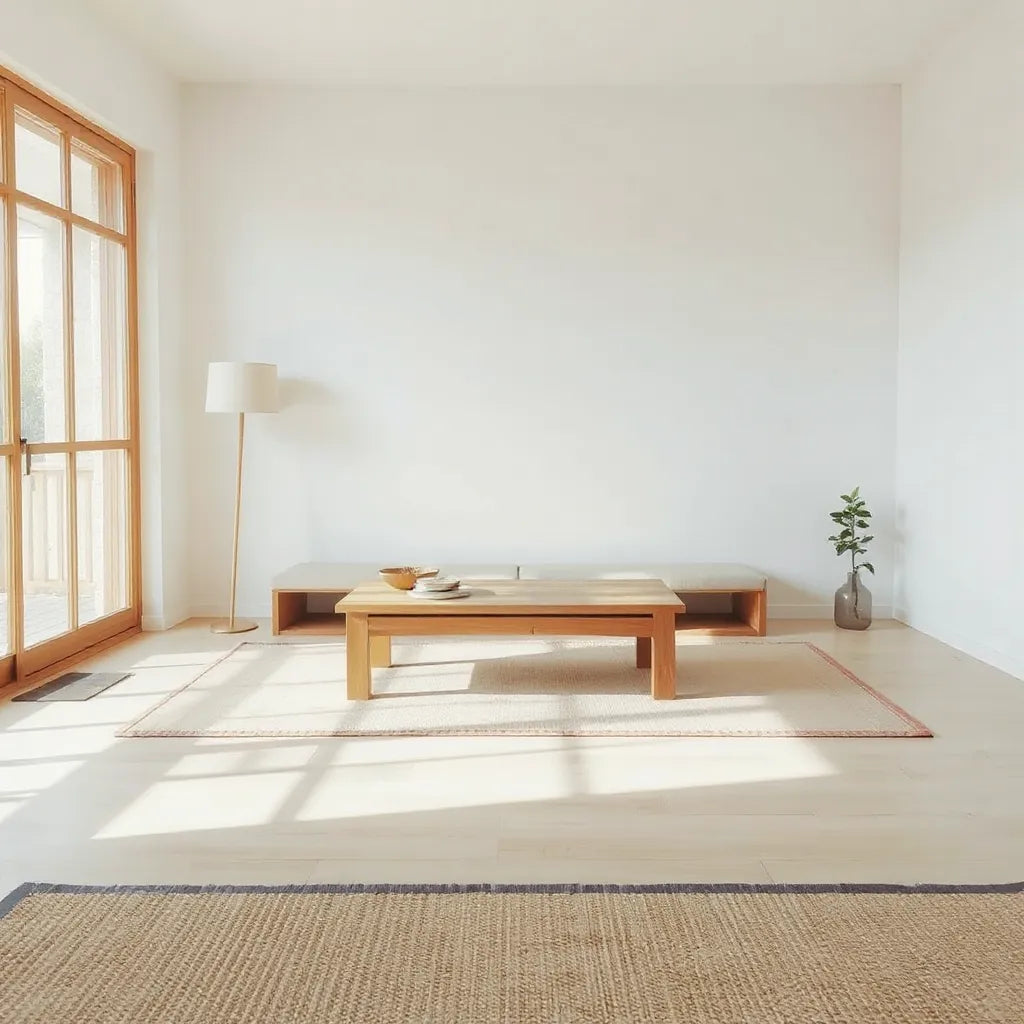
Calm room layout with clear pathways
Step-by-Step Practical Guide
Choosing Japanese minimalist furniture is easiest when you follow a repeatable process. Use the steps below to select pieces that suit your space, your routines, and your durability expectations.
1) Define your room function before you shop
Start by listing what the space must do. A living room may need seating for guests, a place for daily items, and a surface for everyday essentials. A dining area may require balanced proportions and comfortable leg room. When your needs are clear, you can avoid buying furniture that looks correct but behaves poorly.
- Write the main activities for the room (work, hosting, relaxing, eating).
- Note the time of day you use the space most (morning light, evening hosting).
- Measure key clearances: door swings, walking lanes, and how far chairs will extend.
2) Measure for proportion, not only dimensions
Minimal furniture can appear deceptively small. Its real comfort comes from proportion. Height affects eye level and posture. Depth affects how comfortably you sit and how items fit on a surface.
- Chair height and table height: Keep legs and knees comfortable when seated.
- Cabinet and shelf height: Ensure frequently used items are easy to reach.
- Surface size: Allow space for daily objects without stretching the visual field.
3) Choose a material direction and commit to it
Japanese minimalist furniture often looks cohesive because it repeats material choices. A consistent direction makes the room feel designed instead of assembled.
Common material approaches include:
- Light wood with natural grain: Creates warmth and clarity.
- Dark wood accents: Adds contrast and hides wear more easily.
- Neutral upholstery: Softens hard lines without adding strong patterns.
If you already own textiles, match their undertone (warm beige, cool gray, or earthy taupe). Then select wood and finishes that harmonize rather than compete.
4) Build storage into the layout
Minimalism succeeds when surfaces stay clear. Prefer furniture that supports storage, or plan hidden organization alongside open forms. This is where the style becomes practical.
- Use cabinets for daily items that should not remain on display.
- Choose seating with thoughtful proportions so it does not dominate the room.
- For small spaces, prioritize fewer larger storage pieces over many small ones.
If you want a focused seating setup, explore dining or casual seating options from Nisu Home Izumi chair as an example of how minimalist silhouettes can look refined while staying functional. For bar areas, similar principles apply: select seating that fits the counter height and keeps movement easy.

Storage-first plan with hidden clutter control
5) Style with restraint, then add warmth
Minimal does not mean empty. It means intentional. Choose a limited set of styling elements that support the room’s function and comfort.
- Use one or two textures, such as a woven throw or a simple linen curtain.
- Limit decor items to what has meaning or daily usefulness.
- Prefer matte surfaces to reduce glare and keep the room calm.
Lighting is your highest-leverage styling tool. Warm, diffused light makes natural wood tones more inviting and reduces the starkness that some people associate with minimal spaces.
6) Validate comfort and durability in real conditions
Minimalist furniture should still perform well. Before finalizing a purchase, consider how it will be used over time.
- Seating: Check back support, seat firmness, and how the chair holds weight.
- Dining and work surfaces: Confirm stability and edge comfort.
- Cabinets and storage: Ensure doors open smoothly and shelves fit typical item sizes.
When possible, evaluate how your household will treat the furniture. If you have children or frequent guests, prioritize pieces with sturdy construction and easy-to-clean finishes.
7) Create a placement plan for clean lines
Placement is where minimalist design becomes visible. Use spacing to define zones without visual clutter.
- Leave a clear path between seating and walkways.
- Align major elements to create consistent sight lines.
- Keep electronics and everyday containers inside designated storage areas.
A simple rule helps: if an item forces you to rearrange every day, it is placed against your routine rather than in support of it.
8) Maintain the look through cleaning habits
Japanese minimalist furniture often highlights wood grain and subtle textures. That means maintenance is less about heavy cleaning and more about consistent care.
- Use a soft cloth for dust removal.
- Avoid harsh chemicals that can dull finishes.
- Wipe spills promptly and protect surfaces with appropriate coasters or mats.
Regular care preserves the calm appearance that draws many people to minimalist interiors in the first place.
Wrap-Up
Japanese minimalist furniture can transform a home by combining clean design with purposeful function. The core benefits are visual calm, better organization, and a style that remains relevant over time. The main trade-off is that minimal spaces require intentional storage habits and careful placement. If you select pieces with the right proportions, choose a consistent material direction, and style with restraint, you will achieve a refined look that is both practical and durable.
For a broader lifestyle inspiration related to home atmosphere, you can also review Rocky Mountain Love Story as a reference point for how personal storytelling and interior tone can align.
Actionable next step: pick one room, measure it accurately, decide the storage strategy, and choose furniture that supports daily routines. Then refine with warm textiles and lighting rather than adding more objects.
Q&A Section
What makes Japanese minimalist furniture different from standard modern furniture?
It emphasizes restraint, proportion, and function that supports daily life. Rather than focusing on strong visual statements, it uses clean lines, natural textures, and storage-oriented planning so that the room stays orderly. The design goal is calm usability, not decoration for its own sake.
How do I choose the right size when my room is small?
Start with clearances: door paths, walking lanes, and the space chairs need when pulled out. Next, select pieces by proportion and height, not only by footprint. Cabinets and low surfaces often help maintain open sight lines, which makes rooms feel larger even when you use essential storage.
Does minimalist furniture feel uncomfortable over time?
Comfort depends on how well the furniture matches the user and daily routines. Choose seating with supportive proportions and surfaces that suit your habits, such as the right counter height for bar seating or comfortable leg room at dining tables. Durability also matters, so prioritize stable construction and finish quality for long-term use.
What is the best way to keep surfaces clear without making the home feel empty?
Use hidden or designated storage for daily items. Then add a small set of warm, functional decor elements such as textiles, lighting, or a single organizing tray for frequently used objects. This approach keeps the room calm while still feeling lived-in.
Are light-colored finishes more difficult to maintain?
They can show dust and minor marks more visibly, but the maintenance effort is not inherently complex. Consistent wiping with a soft cloth and prompt spill care typically preserve the finish. If you prefer low-visibility surfaces, consider darker accents or finishes that better match your household routine.
What furniture category should I buy first?
Choose the piece that shapes the room’s daily flow. For many homes, that is seating or storage. If your clutter problem is persistent, start with a cabinet or storage-focused solution. If you host often, start with the seating layout and then add the supporting surfaces.
Author Bio
About the Author
Nisu Home focuses on helping customers plan calm, functional interiors through thoughtful product selection and design guidance. With expertise in modern lifestyle furnishings and space planning, the team prioritizes durability, proportion, and everyday usability. Their approach encourages clear decisions and long-term satisfaction. Thank you for reading, and may your space feel more intentional every day.

Leave a comment
This site is protected by hCaptcha and the hCaptcha Privacy Policy and Terms of Service apply.