

Updated on: 2026-07-01
Japanese Minimalist Luxury Furniture blends calm form, disciplined materials, and craft-level detail. It is designed to feel quiet and intentional, not empty or plain. When selected well, it improves everyday comfort and creates a stable visual rhythm in a space. This guide explains how to choose pieces that look refined, last longer, and work across modern interiors.
3. Japanese Minimalist Luxury Furniture: What Makes It Different
6. How to Plan a Room Around Minimal Luxury
7. Buying Checklist: Materials, Proportions, and Finish
8. IMAGE Placeholders and Visual Guidance
Introduction
Design is often judged by how it looks on day one. In practice, the strongest interiors are the ones that stay comfortable, coherent, and easy to live with. Japanese Minimalist Luxury Furniture is valued for its balanced approach: it uses restrained lines, purposeful storage, and high-quality finishing to create spaces that feel ordered without feeling rigid. If you want a room that looks composed and functions smoothly, this style offers a clear framework for choosing furniture you will still enjoy years from now.
In this article, you will learn what separates truly minimalist luxury from basic minimalism, how to evaluate materials and proportions, and how to build a layout that supports everyday movement. You will also find practical selection tips and maintenance habits that protect craftsmanship and preserve visual calm.
Did You Know?
- Luxury minimalism emphasizes balance, so negative space is treated as part of the design.
- Many Japanese-inspired pieces prioritize joinery and surface feel, not just visual appearance.
- Good proportions reduce visual noise, which can make a room feel larger and easier to navigate.
- Neutral palettes often support a “quiet backdrop” for natural light and daily living objects.
- Durable finishes and careful edge details help furniture remain refined over time.
Japanese Minimalist Luxury Furniture: What Makes It Different
Japanese Minimalist Luxury Furniture is not only about having fewer items. It is about selecting the right pieces and giving them space to breathe. The style typically features clean silhouettes, subtle texture, and materials that look better as they develop a natural patina. Instead of relying on heavy ornamentation, it uses craftsmanship signals that the eye can appreciate quietly.
Several factors commonly define this category:
- Purposeful restraint: Forms are simplified, but never vague. Each piece has a clear role in the layout.
- Human-scale comfort: Seating height, leg spacing, and reach zones are considered so the furniture supports real use.
- Material sincerity: Wood grain, metal sheen, and fabric texture are presented honestly, with minimal covering or distraction.
- Refined detailing: Edges are softened, joints look intentional, and surfaces feel consistent to the touch.
- Compositional rhythm: Cabinets, tables, and seating often align around consistent visual heights and spacing.
To see how these principles work together, observe three outcomes in a well-designed room: clear circulation paths, a stable color base, and a deliberate hierarchy of focal pieces. This is where minimalist luxury becomes more than aesthetic. It becomes functional clarity.

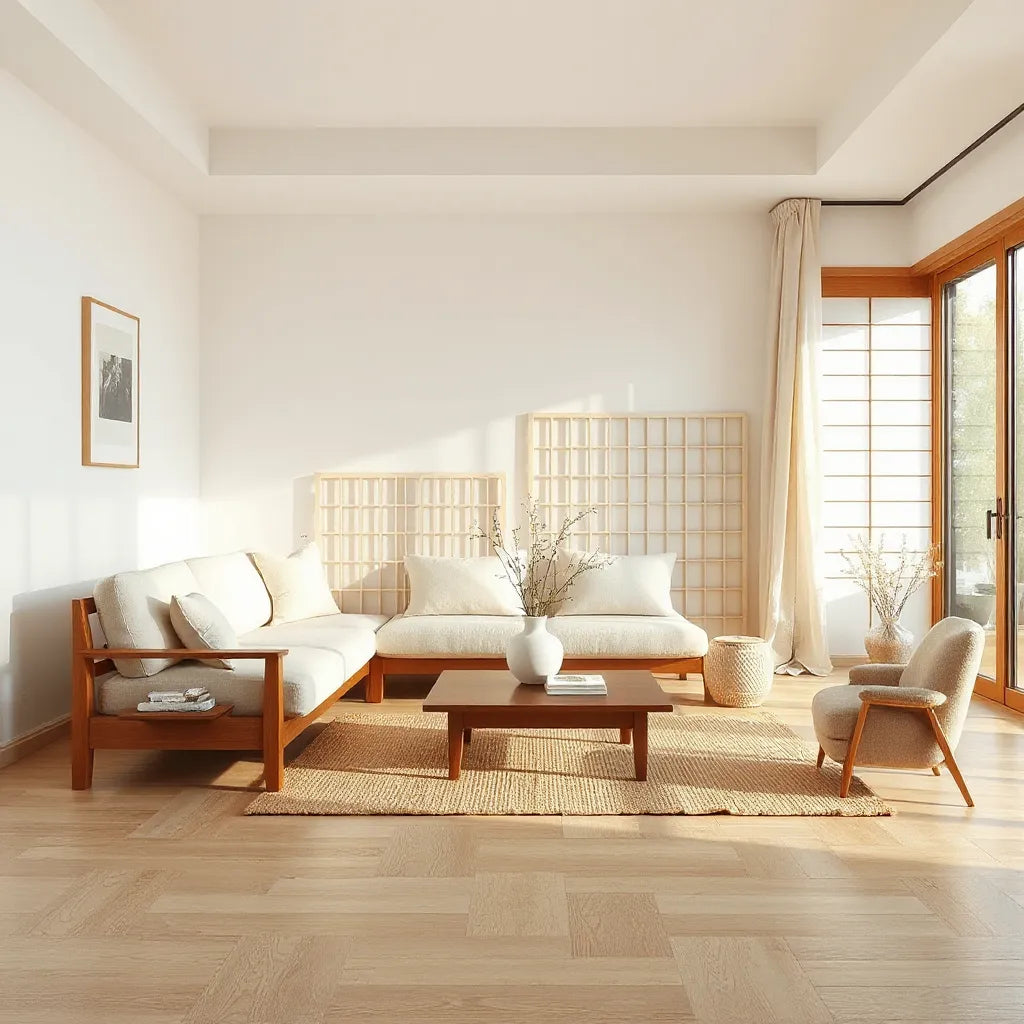
Clean interior lines with calm space and balance
Expert Tips
Professional interior stylists often follow a small set of repeatable practices. These steps help you achieve Japanese Minimalist Luxury Furniture aesthetics without overbuying or losing comfort.
- Start with one anchor piece: Choose a table, cabinet, or seating set first. Build the room around its proportions and finishing.
- Match heights before matching colors: Use consistent visual levels to avoid clutter. Chairs and side tables should feel aligned, not competing.
- Choose one dominant material: For example, let a wood tone guide the palette. Secondary materials should support rather than dominate.
- Prioritize touch and edge quality: You will notice edge comfort and surface smoothness more than decorative elements.
- Plan storage as a design feature: Minimalism improves when daily items have a clear home.
If you are building a dining or lounge area, bar-height seating can be a practical starting point. A carefully proportioned stool with clean lines can support the minimalist look while keeping the room flexible for gatherings. For inspiration, you can review bar stool options that align with a refined, streamlined aesthetic.
Personal Anecdote
When I first redesigned a small living room, I made a common mistake: I focused on style descriptions and ignored how the space actually moved throughout the day. I selected pieces that looked minimal in photos, but the arrangement forced awkward steps between the seating and the entry. The room felt quieter, yet less usable.
Later, I adjusted the layout around human-scale circulation. I kept the furniture lines simple, but I changed spacing and seating placement. The result felt instantly more luxurious, even though the furniture choices were not dramatically different. The room looked composed because the negative space became intentional, and the movement paths became natural.
This experience reinforced a key lesson about Japanese Minimalist Luxury Furniture: luxury is not only the finish. It is the way the space supports routine—walking, reaching, resting, and storing.
How to Plan a Room Around Minimal Luxury
Planning is where minimalist luxury becomes predictable and reliable. Start by mapping three zones: circulation, viewing focus, and daily use. Then match furniture choices to those zones.
1) Define circulation paths early
Walk through your room and measure the easiest routes between doorways, seating, and storage. Minimal rooms often feel larger when you avoid tight turns. Keep the main pathway clear and let furniture “frame” it rather than block it.
2) Choose a consistent visual height language
Minimalism can look elegant or accidental depending on height relationships. If one piece sits significantly higher than its companions, the space can feel uneven. Aim for consistent levels for tops, seat backs, or cabinet doors so the eye perceives order.
3) Use a layered neutral palette
Neutral does not have to mean flat. Combine warm wood tones, soft textiles, and muted metal finishes. The key is variety in texture, not in color volume. This keeps the room calm while adding depth.
For occasional design inspiration, you may also explore the work of Samara Designs Studio. Studying how other professionals handle light, proportion, and restraint can sharpen your own selection decisions.

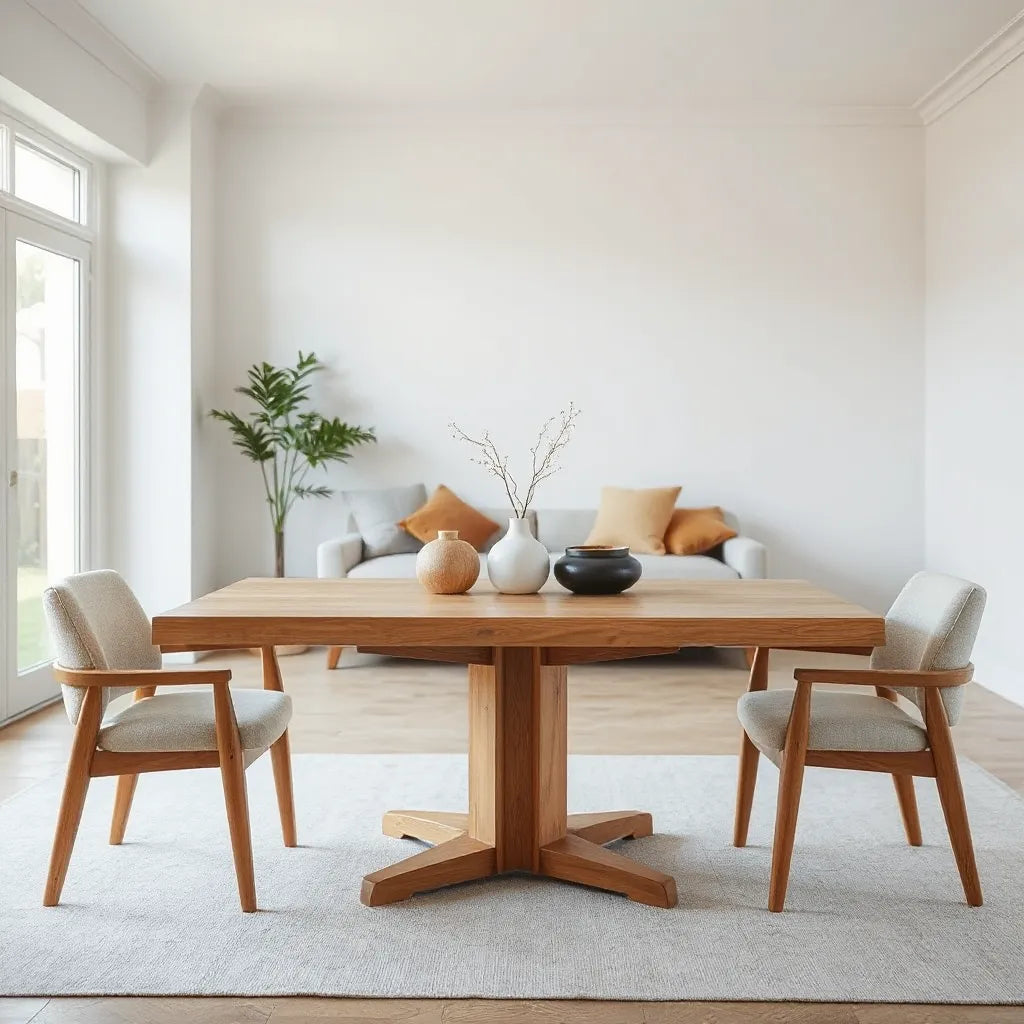
Aligned furniture heights and circulation lines for calm
Buying Checklist: Materials, Proportions, and Finish
Minimal luxury is built through details. Before purchasing, evaluate furniture using a checklist that goes beyond aesthetics.
Materials that age well
Look for materials with stable structure and finishes designed for daily life. Natural wood often benefits from proper care and can develop a refined patina. Metal components should be free from sharp edges and should feel consistent at contact points.
Proportions and joinery quality
Proportions determine whether a piece feels tailored. Check for balanced leg spacing, straight alignment, and clear thickness consistency. When joinery is well executed, the piece looks stable from every angle, including views from corners.
Surface finish and edge comfort
Touch the surface if possible. A high-quality finish feels smooth without being overly glossy. Edges should be clean and comfortable, especially on tabletops and chair contact points. When finish and edges align, the furniture reads as intentional rather than generic.
Scale for your room
Measure the room, not only the furniture. Minimalist luxury requires adequate spacing. If pieces are too large, the room becomes visually heavy. If pieces are too small, they can feel temporary and unfinished.
If you are selecting dining seating, consider chair silhouettes that keep lines simple and visual clutter low. You can explore options such as Izumi chair for an approach that supports a refined, minimal dining arrangement. For a different tone of silhouette and comfort, another option to compare is Toshiro chair.
Maintenance and Longevity Practices
Luxury furniture should not only look good; it should stay good. Japanese Minimalist Luxury Furniture is particularly sensitive to surface handling because the design relies on the consistency of materials and finishes.
- Use gentle cleaning: Wipe with a soft cloth. Avoid abrasive pads that can dull surfaces over time.
- Protect from direct heat and prolonged moisture: Keep furniture away from radiators and avoid leaving wet objects on surfaces.
- Maintain consistent humidity: For natural wood, stable indoor conditions help reduce expansion and contraction.
- Handle with care at edges and corners: Many cosmetic issues appear where contact is most frequent.
- Inspect periodically: Check for loose hardware and tighten safely when needed to preserve stability.
Well-maintained furniture also supports a minimalist look. Dust and wear tend to show more quickly on surfaces that rely on smoothness and clean lines. A short routine every week prevents accumulation and keeps your room looking intentional.
Summary & Takeaways
Japanese Minimalist Luxury Furniture offers a disciplined design approach that prioritizes calm form, purposeful function, and craft-level detail. The style becomes truly valuable when you plan circulation, select materials that age well, and evaluate finish and edge quality. By choosing one anchor piece, using a neutral layered palette, and maintaining furniture with gentle care, you can create a room that feels stable and comfortable over time.
- Select fewer pieces, but choose them with intent and scale.
- Use material sincerity and refined edges as primary quality indicators.
- Plan spacing for circulation and reduce visual noise through alignment.
- Maintain surfaces regularly to preserve a clean minimalist appearance.
Q&A Section
What is the difference between minimalist furniture and Japanese minimalist luxury design?
Minimalist furniture focuses on reducing visual elements, while Japanese minimalist luxury design emphasizes discipline in form, material honesty, and detailed craftsmanship. Luxury minimalism typically includes a stronger attention to comfort, joinery, finishing, and how the piece supports daily living within a calm layout.
How do I keep a minimalist room from feeling cold or uncomfortable?
Comfort comes from scale and material texture. Choose warm-toned woods, soft textiles, and seating proportions that match your body use. A layered neutral palette adds depth without visual noise, and thoughtful lighting helps the space feel welcoming rather than austere.
Which furniture category makes the easiest starting point for this style?
Seating and storage often provide the most immediate impact. A refined chair silhouette can define a dining or lounge area, while a cabinet or sideboard can reduce visual clutter by offering controlled storage. Starting with one anchor helps you build alignment across the rest of the room.
How can I verify quality when shopping online?
Review product imagery for edge quality, consistent lines, and stable-looking proportions. Read descriptions for material details and finishing information, and look for clear guidance on dimensions. If available, compare multiple angles in the visuals to confirm that the piece looks intentional from every viewpoint.
About the Author
Nisu Home
Nisu Home is an editorial and product-focused team dedicated to modern home styling and furniture curation with an emphasis on craft, comfort, and minimalist elegance. Their expertise covers material selection, layout planning, and long-term care considerations for premium interiors. Thank you for reading, and may your next space feel calmer, more functional, and quietly luxurious.
Disclaimer: This article is for informational purposes only and does not replace professional design advice for specific spaces. Furniture care practices may vary by material and finish; always follow product instructions provided by the retailer or manufacturer.

Leave a comment
This site is protected by hCaptcha and the hCaptcha Privacy Policy and Terms of Service apply.