


Updated on: 2026-11-11
Conversation starter furniture helps households create spaces that feel inviting, social, and intentional. It supports better interaction by improving sightlines, comfort, and the rhythm of movement through a room. The right piece can also add texture, color, and personality without overwhelming the layout. When chosen carefully, these items can balance aesthetics with everyday usability for hosting and daily living.
Table of Contents
- Pros & Cons of Conversation Starter Furniture
- How to Choose Conversation Starter Furniture for Your Space
- Step-by-Step Practical Guide to Style It for Real Conversations
- Placement Rules That Improve Flow and Engagement
- Care and Maintenance for Long-Term Appeal
- Wrap-Up
- Q&A Section
- About the Author
Introduction
Conversation starter furniture is designed to do more than look good. It helps people feel at ease, encourages interaction, and turns an ordinary room into a place where guests naturally linger. If you want your home to feel social without sacrificing function, the right conversation-focused pieces can support comfort, clarity, and visual interest. This guide explains what to look for, where to place furniture, and how to style it so your space performs well in real life.
Pros & Cons of Conversation Starter Furniture
Conversation starter furniture is often a focal point, but its value depends on how it fits your layout and lifestyle. Below are practical strengths and common drawbacks to consider before you commit.
- Improved social comfort: Many conversation-driven designs prioritize seating height, spacing, and sightlines so people can talk without straining.
- Stronger room identity: A distinctive shape or material adds character, making the room easier to remember and easier to style consistently.
- Better hosting flow: Thoughtful shapes can guide movement toward shared areas, reducing bottlenecks when guests arrive.
- Higher styling responsibility: Because the piece stands out, it requires intentional pairing with rugs, lighting, and wall accents.
- Potential space mismatch: A bold item can feel oversized if your room is narrow or if pathways are already tight.
- Maintenance considerations: Textures and finishes may need more careful cleaning to remain visually crisp.
How to Choose Conversation Starter Furniture for Your Space
Choosing well starts with the purpose of the room. A dining area needs different priorities than a living room, and a kitchen seating corner should support short visits. Use the checklist below to make selections with confidence.
Match the piece to the main interaction style
Determine how guests typically socialize in your home. Some households prefer face-to-face conversations. Others enjoy a relaxed, side-by-side arrangement. Choose a piece that supports your natural rhythm. For example, a central table format can anchor a group discussion, while flexible seating can help people rotate easily.
Focus on proportion before personality
Visual impact matters, but proportion determines whether the room feels harmonious. Measure the available space and confirm that the piece leaves clear pathways. As a general rule, maintain enough room for comfortable movement around chairs and between functional zones.
Select materials that photograph well and wear well
Texture creates conversation, but durability keeps the conversation going over time. Consider finishes that resist everyday wear and feel pleasant to the touch. If you have children or pets, prioritize easy-clean surfaces and stable construction.
Use color with restraint for a cohesive look
A standout piece does not require the entire room to change. If the furniture is visually expressive, keep surrounding elements calmer. Neutral walls, layered textiles, and warm lighting often allow the focal piece to remain the center of attention.
Layered lighting, balanced seating circles, warm textures
Step-by-Step Practical Guide to Style It for Real Conversations
Conversation starter furniture works best when it is styled for use, not just for viewing. Follow these steps to create a space that supports dialogue and comfort.
Step 1: Define a conversational zone
Start by choosing the area where interaction should happen. In many homes, that is near a sofa, in a dining zone, or around a central table. Create a clear boundary using a rug, a lighting fixture, or a consistent floor plan that visually signals, “This is where people gather.”
Step 2: Arrange for eye contact
When furniture supports line of sight, conversations feel natural. Aim for seating that faces toward one another or toward a shared focal point. Avoid layouts that trap people facing away from each other unless your goal is a casual, side-by-side social style.
Step 3: Balance the focal piece with supportive elements
If your chosen furniture is bold, add supporting pieces that stabilize the look. Use complementary textiles such as throws and cushions, and add a secondary material tone through the rug or curtains. The goal is not to match everything, but to create visual teamwork.
Step 4: Add a surface for small moments
Conversations often require a place for drinks, snacks, and personal items. Use a table, tray, or console-style surface within reach. Keep it practical: clear negative space on top improves readability and reduces clutter during gatherings.
Step 5: Layer lighting to control mood
Overhead light can feel harsh for long conversations. Use lamps, dimmable fixtures, or layered light sources to create a warm atmosphere. If you use a central conversation table, align lighting so it highlights the center without creating glare.
Step 6: Keep cables, storage, and extras out of view
Even the most attractive furniture cannot fully perform if the background feels chaotic. Use storage strategies, hidden charging setups, or discreet containers so guests see calm surfaces rather than distractions.
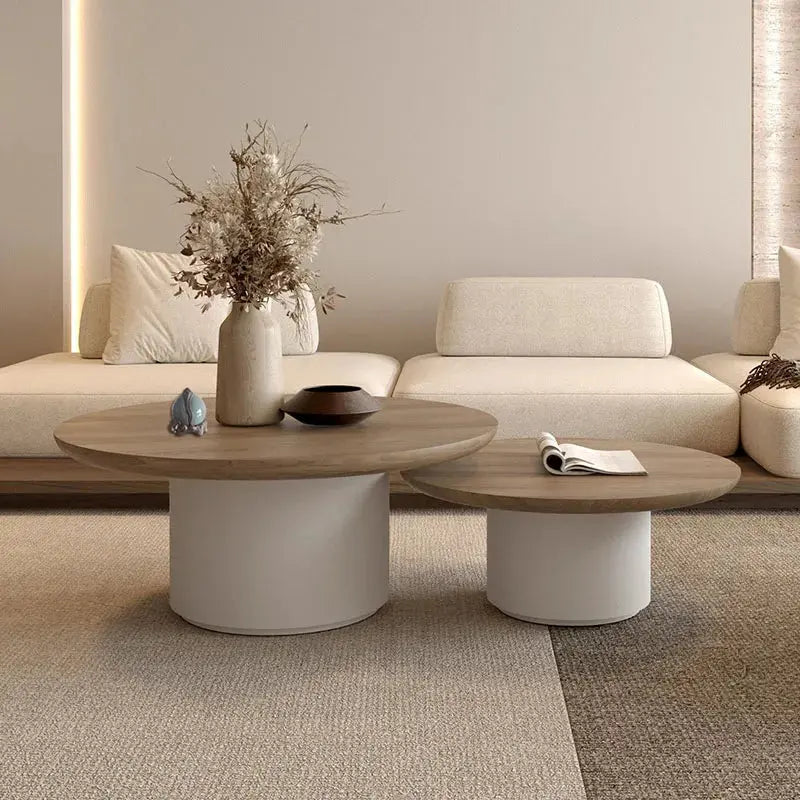
Product integration for inspiration:
Ureshii Coffee Table
Ureshii Coffee Table
Placement Rules That Improve Flow and Engagement
Placement determines whether conversation starter furniture feels welcoming or obstructive. Consider these placement rules for rooms of different sizes.
Keep walkways clear and predictable
People should not need to sidestep frequently to move through the room. Leave consistent clearance around the conversational zone. This reduces friction and allows guests to enter, settle, and stay comfortably.
Use “reach zones” for surfaces
When there is a shared table, place it so small items remain within easy reach. If the table is too far, people will hover uncomfortably. If it is too close, the room can feel tight and less breathable.
Anchor with one primary axis
Choose one main visual direction, such as the center of a sofa or the dining focal wall. Align the furniture so your room has a stable anchor point. This is especially important when the focal piece is visually active.
Consider height variation for an inviting feel
Height differences can make a room feel dynamic and more layered. Pair taller elements with mid-level seating and lower surfaces so the room feels balanced. Keep the tallest items away from direct sightline clutter areas.
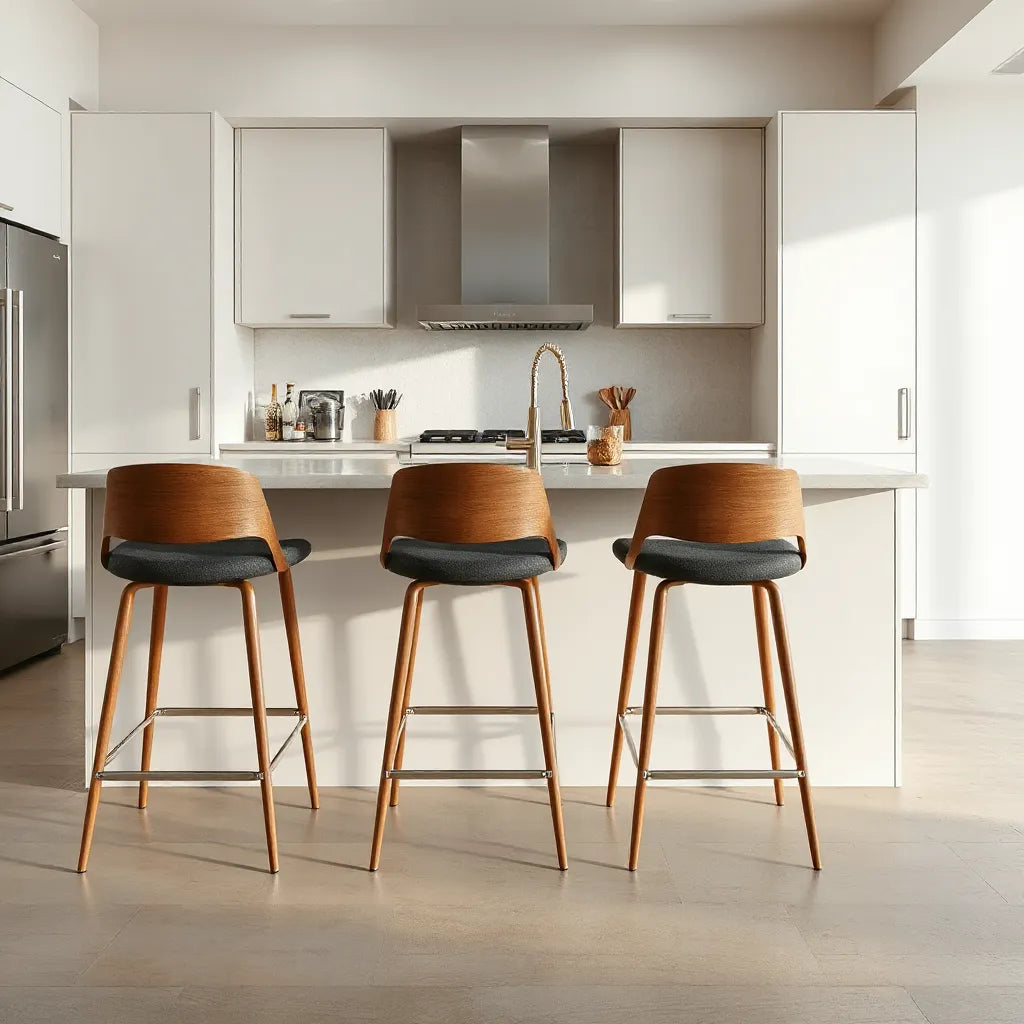
If you want more seating styles to build a strong conversation layout, you can review related options on Izumi chair collections and explore how seat form affects group interaction.
Care and Maintenance for Long-Term Appeal
Conversation starter furniture should remain attractive with normal household care. The best maintenance plan depends on the material, but certain habits help most finishes last longer.
Use gentle cleaning and avoid abrasive tools
Dust frequently with a soft cloth and clean spills promptly. For textured surfaces, use cleaning methods that match the finish type to avoid dulling the appearance.
Protect from direct heat and harsh sunlight
Sun exposure can fade colors and damage finishes over time. If the piece sits near bright windows, use curtains or blinds to moderate light. Avoid placing hot items directly on surfaces without a barrier.
Refresh textiles seasonally
Since conversation-focused rooms are used often, textiles tend to show wear first. Rotate cushion covers, reposition throws, and use washable layers where possible. A seasonal refresh keeps the space feeling intentional.
Inspect stability and alignment
Check for loose joints or wobbly legs after heavy use. Stable construction is essential for safe conversation, especially in rooms where guests gather for extended periods.
Wrap-Up
Conversation starter furniture adds real value by supporting comfort, improving social flow, and giving your home a clear visual identity. Choose pieces based on proportion, interaction style, and durable materials. Then style with deliberate zoning, eye contact, reachable surfaces, and layered lighting. When placement and care are handled well, the result is a space that invites conversation every day, not only during special occasions.
If you are planning to upgrade your gathering area, start with one strong focal element and build around it with calm, functional support. For additional inspiration, consider browsing distinct chair designs that help shape conversation layouts.
Q&A Section
What makes a piece of furniture a conversation starter?
A conversation starter furniture piece typically blends comfort with visual interest. It encourages people to gather by supporting eye contact and convenient reach, and it adds a distinctive element such as texture, shape, or material character that guests notice naturally.
How many conversation-focused items should I use in one room?
In most homes, one primary focal piece is sufficient. Add supportive elements that complement it, such as a coordinating surface, lighting, and textiles. Overloading a room with multiple focal items can reduce clarity and make the space feel visually crowded.
Is conversation-focused furniture suitable for small apartments?
Yes. In smaller spaces, prioritize pieces that enhance function without blocking pathways. Choose compact proportions, keep walkways clear, and use vertical and lighting strategies to create depth. A well-placed focal table or adaptable seating arrangement can still create strong social energy.
How do I style conversation furniture without making the room look cluttered?
Use a simple layering approach: keep major surfaces mostly clear, limit decorative objects to a few intentional items, and rely on textiles for warmth. Storage solutions also matter. When background clutter is controlled, the conversation-focused piece can stand out clearly.
About the Author
Nisu Home —The editorial team focuses on home styling strategy, practical interior planning, and product selection guidance for everyday living. With expertise in creating welcoming room layouts, the team emphasizes comfort, durability, and cohesive design decisions. If you want a home that invites interaction, start with one thoughtful focal piece and build outward with simple, functional choices. Thank you for reading.
Disclaimer: This article provides general design and styling guidance. Product availability, specifications, and visuals may change over time. For the most accurate details, review the specific product pages on the retailer website.

Leave a comment
This site is protected by hCaptcha and the hCaptcha Privacy Policy and Terms of Service apply.