

Updated on: 2026-11-12
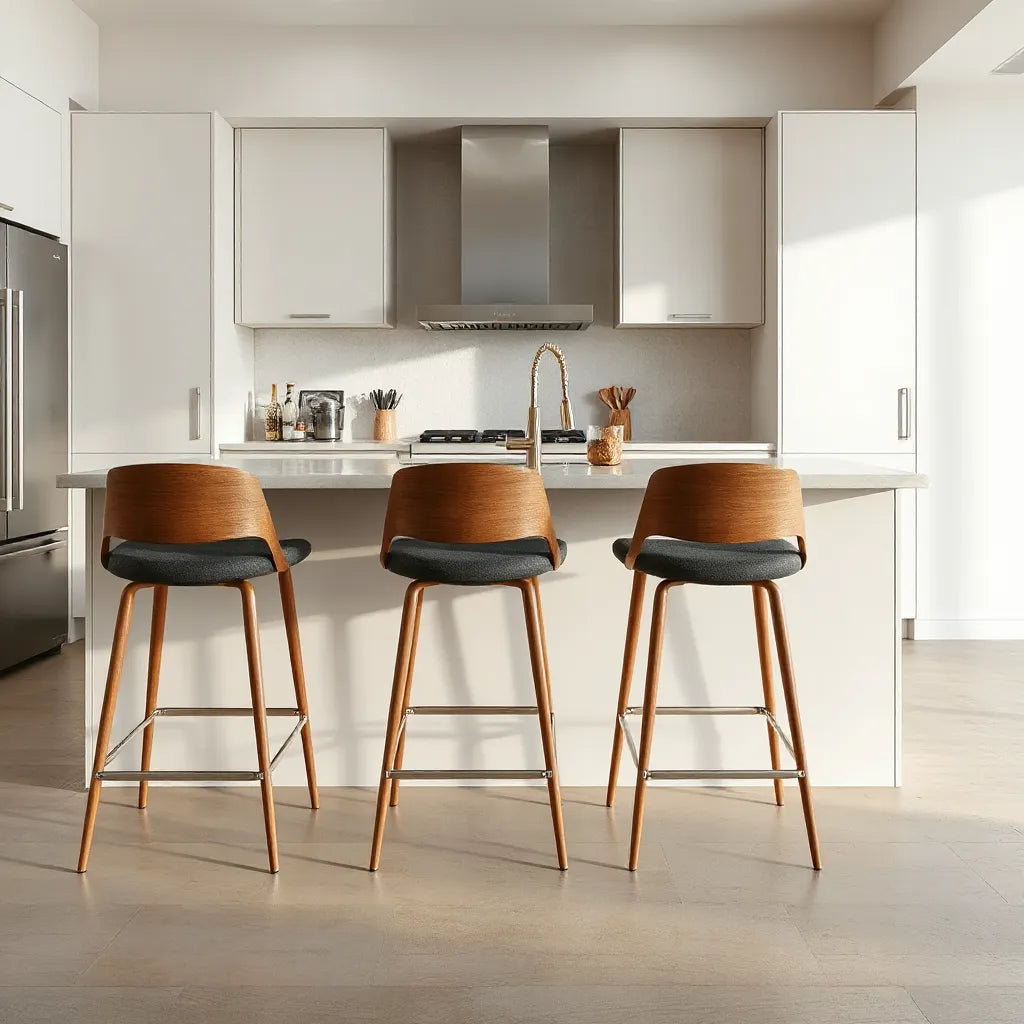
Choosing the right seating transforms how your bar or kitchen island feels every day. Luxury bar stools combine comfort, craftsmanship, and visual presence without sacrificing practicality. The best designs balance height, materials, and finish to match your space and lifestyle. This guide explains common misconceptions and provides a clear buying framework so you can choose with confidence.
- Myths vs. Facts
- How to Choose the Right Luxury Bar Stools
- Materials and Build Quality: What Actually Matters
- Comfort and Ergonomics for Daily Use
- Style and Finish: Matching Your Interior
- Personal Experience: Learning the Hard Way
- Final Thoughts & Takeaways
Myths vs. Facts
-
Myth: Luxury seating is only about appearance.
Fact: The most valuable pieces also support posture, durability, and easy upkeep. -
Myth: Height is a minor detail.
Fact: Incorrect height changes arm position, comfort, and even how you approach the counter. -
Myth: Any high-end finish is automatically scratch-proof.
Fact: Real protection depends on surface treatment, coating quality, and maintenance habits. -
Myth: Soft seating always feels best.
Fact: Padding should be paired with stable structure and the right seat shape for long-term comfort. -
Myth: You must buy matching pieces to look cohesive.
Fact: You need consistent proportions, tone, and materials, not identical designs.
How to Choose the Right Luxury Bar Stools
Luxury bar stools should elevate your space in a way that remains functional. Start by measuring your bar or counter height. Then confirm the seat height and the distance to the underside of the counter. This is where many shoppers lose comfort and experience sooner than expected.
Next, define the role of the stools. Are they for occasional guests, daily breakfast, or long evening conversations? The frequency of use affects how much you should prioritize comfort, stability, and easy cleaning.
Finally, set a practical style target. Decide whether your interior leans warm and inviting, minimal and architectural, or classic and tailored. When you match the stool profile to the room, the result feels intentional rather than decorative.

Counter-height measuring tools and simple layout grid
Materials and Build Quality: What Actually Matters
The phrase “luxury” should mean more than branding. It should reflect build quality you can feel: smooth edges, consistent joins, stable legs, and surfaces that hold up over time. When evaluating luxury bar stools, inspect how the materials are assembled and how they will behave in real households.
Frame integrity. A stable base reduces wobble and improves comfort, especially when occupants move naturally while sitting. Look for rigid connections and solid leg structures. Even a visually refined stool will feel less premium if it shifts when pressure is applied.
Seat and back materials. Upholstery can add warmth and comfort, but it must be supported by a well-designed seat pan. If a stool is upholstered, confirm that the cushioning returns to shape reasonably and that the fabric or covering is appropriate for frequent contact.
Finish durability. Metal and wood finishes can look similar from a distance, yet they age differently. Consider how often you wipe surfaces, how sunlight hits the room, and whether daily use includes moving stools in and out. A durable finish reduces visible wear and helps the seating look refined longer.
Foot support. Footrests are not an optional detail. They influence posture and reduce strain during longer stays. A properly positioned footrest also helps prevent uncomfortable “hovering” while seated.
Where to start with your shortlist
Shortlist pieces by matching three factors first: seat height, visual silhouette, and material tone. Then refine with comfort details such as cushioning depth, back support, and footrest geometry. This method prevents you from over-focusing on color before the practical fit is correct.
Comfort and Ergonomics for Daily Use
Comfort is the core value of high-end bar seating, and it is measurable in how your body experiences the stool. When people complain that “the stool looks great but feels uncomfortable,” the cause is usually ergonomics, not aesthetics.
Seat depth and shape. A seat that is too shallow can create pressure at the back of the legs. A seat that is too deep can restrict movement. The best luxury bar stools support natural positioning without forcing you to shift constantly.
Back support and posture. Some stools are designed for quick meals. Others are made for extended sitting. If you expect long conversations, look for supportive back design and stable posture geometry. In contrast, for short use, a simpler profile with excellent seat comfort can be a better match.
Armrest expectations. If your bar setup includes armrests, confirm clearance and whether they align with your counter height. Misalignment can make otherwise premium seating feel awkward. In most home environments, a stool without arms but with comfortable seating and a dependable backrest provides flexible use.
Stability while seated. Comfort includes how the stool handles small movements. A stable base and balanced structure reduce micro-adjustments, which become tiring over time.
Style and Finish: Matching Your Interior
Style is where luxury bar stools can either blend beautifully or stand out in a way you did not plan. The goal is harmony: the stool should complement your room’s lines, colors, and texture.
Match the room’s rhythm. If your space uses straight architectural lines, consider stools with clean silhouettes and refined edges. If your room is softer and more organic, select designs with gentler curves and warm finishes.
Coordinate tone, not exact color. Mixing wood and metal can work if the tones align. Warm wood paired with a brushed metal can feel cohesive when both finishes share similar undertones.
Consider light and shadow. Finishes create visual depth under natural light and lamps. Matte surfaces soften the look, while polished finishes increase reflection. Choose based on whether you want the seating to feel subtle or to act as a focal point.
Maintain visual spacing. Even the most premium stools can look cramped if spacing is wrong. Leave enough room for guests to sit and stand without colliding, and keep the spacing consistent across multiple stools for a polished appearance.

Color palette swatches and light-shadow interior mockup
Personal Experience: Learning the Hard Way
I once selected bar seating based on photographs alone. The stools looked excellent in a showroom-style image, with a finish that matched my cabinetry. However, when the stools arrived and I sat down for the first meal, the comfort issue appeared immediately. My counter height was slightly off from what I had assumed, and the seat height created a feeling of reaching rather than resting.
After that experience, I stopped treating bar seating as a purely visual purchase. I measured again, then evaluated posture: how my feet landed, how close my knees came to the underside of the counter, and whether my shoulders relaxed. Once I adjusted the decision toward fit and ergonomics, the room felt more elevated and the seating became genuinely enjoyable.
If you want the same outcome, use a simple test during evaluation. Sit at the proposed height as if you were eating. Keep your posture neutral. Notice whether your feet rest comfortably, whether your back feels supported, and whether you are reaching forward. That process is often faster and more reliable than comparing many designs on a screen.
Final Thoughts & Takeaways
Luxury bar stools are not only a design choice; they are part of everyday comfort. By focusing on height, stability, material quality, and ergonomic support, you can choose seating that remains attractive and practical for years. Prioritize how the stool performs in daily use, and then refine your selection with style and finish so the final look feels cohesive.
If you are building a coordinated interior, it can help to review complementary pieces within the same design language. For example, you may explore seating options here: bar stool options and additional bar stool styles. When you also consider dining seating and related furniture, cohesion becomes easier to achieve. You can compare general chair silhouettes at izumi chair as a reference point for tone and form.
Choose with intention, verify measurements, and select materials that match your lifestyle. When those factors align, luxury bar stools deliver both visual impact and lasting satisfaction.
Q&A Section
What seat height should I look for with a kitchen island?
Seat height depends on your counter or island height and how much clearance you need for legs. In general, taller counters require higher seats, while shorter counters require lower seats to keep posture relaxed. Measure your counter height and then confirm the stool seat height so that your legs can rest comfortably without pushing your body forward.
Are upholstered luxury bar stools worth it for daily dining?
Upholstered seating can be an excellent choice for daily use when the cushioning is supportive and the cover is suited for frequent contact. Consider how you will clean the surfaces and whether the fabric or finish will maintain its appearance under everyday conditions. If your household includes heavy daily use, focus on build quality, stain resistance properties, and sturdy seat structure.
How do I prevent scratches and scuffs on stool finishes?
Protection starts with surface choice and maintenance habits. Use coasters or place mats to reduce abrasion from objects placed on or near the stool. Regularly wipe with appropriate, non-abrasive cleaners and avoid harsh tools that can dull finishes. If your stools move often, consider floor protection and ensure legs have adequate surface pads.
Can different styles of bar stools look cohesive?
Yes, variety can still feel cohesive when proportions, material tone, and color undertones are consistent. Aim for a unified silhouette family, such as similar seat heights and comparable visual weight across stools. Consistency in finishing details and spacing often matters more than having identical designs.
How many bar stools should I place around a counter?
Common spacing practices support comfortable seating and easy movement. Plan for even distribution, then leave enough room for guests to sit down and stand up without obstruction. If the counter includes corners, consider access paths and ensure that the stools do not block traffic flow.
About the Author Section
Nisu Home
Nisu Home is focused on home interior solutions where design, comfort, and durability work together. The team provides practical guidance on selecting seating and complementary pieces for everyday living. With expertise in refined home styling and material-aware recommendations, the aim is to help customers make confident choices. Thank you for reading and for choosing intentional design.
Disclaimer: This article provides general guidance on selecting bar seating. Always verify measurements for your specific counter height and usage needs, and follow manufacturer care instructions for the materials you choose.

Leave a comment
This site is protected by hCaptcha and the hCaptcha Privacy Policy and Terms of Service apply.