

Updated on: 2026-07-08
A Brick Red Bar Stool can anchor a kitchen nook, bar counter, or home office corner with warm color and strong visual presence.
This guide explains what to evaluate when choosing a bar stool, including seat height, comfort, materials, and stability.
You will also find practical setup steps for spacing, placement, and long-term care.
Finally, the article includes targeted questions to help you select a stool that fits your space and daily routine.
How to Choose the Right Brick Red Bar Stool
Step-by-Step How-To: Styling and Placement
Introduction
Choosing seating for a bar or counter is not only a functional decision. It also shapes the mood of the entire room. A Brick Red Bar Stool brings a distinctive, warm tone that complements wood finishes, neutral walls, and modern metal accents. If you want a piece that looks intentional and performs well day after day, the selection process deserves a clear method.
This article provides a practical framework for evaluating bar stool fit, comfort, and durability. You will also learn how to style brick-red seating so it feels cohesive rather than accidental. The goal is simple: help you buy with confidence and place the stool correctly for reliable comfort.
Product Spotlight
One reliable way to bring refined style into your space is to pair a strong color palette with thoughtful proportions. For example, a Brick Red Bar Stool can work particularly well when the stool design includes a supportive seat shape and a stable base. When you shop, prioritize construction details that reduce wobble and increase everyday comfort, especially if multiple people will use the seating.
If you want a complementary option in a different color family, consider browsing a related bar stool style on the Nisu Home store. You can compare design lines and base geometry by reviewing bar stool options and then map the key measurements to your own space.
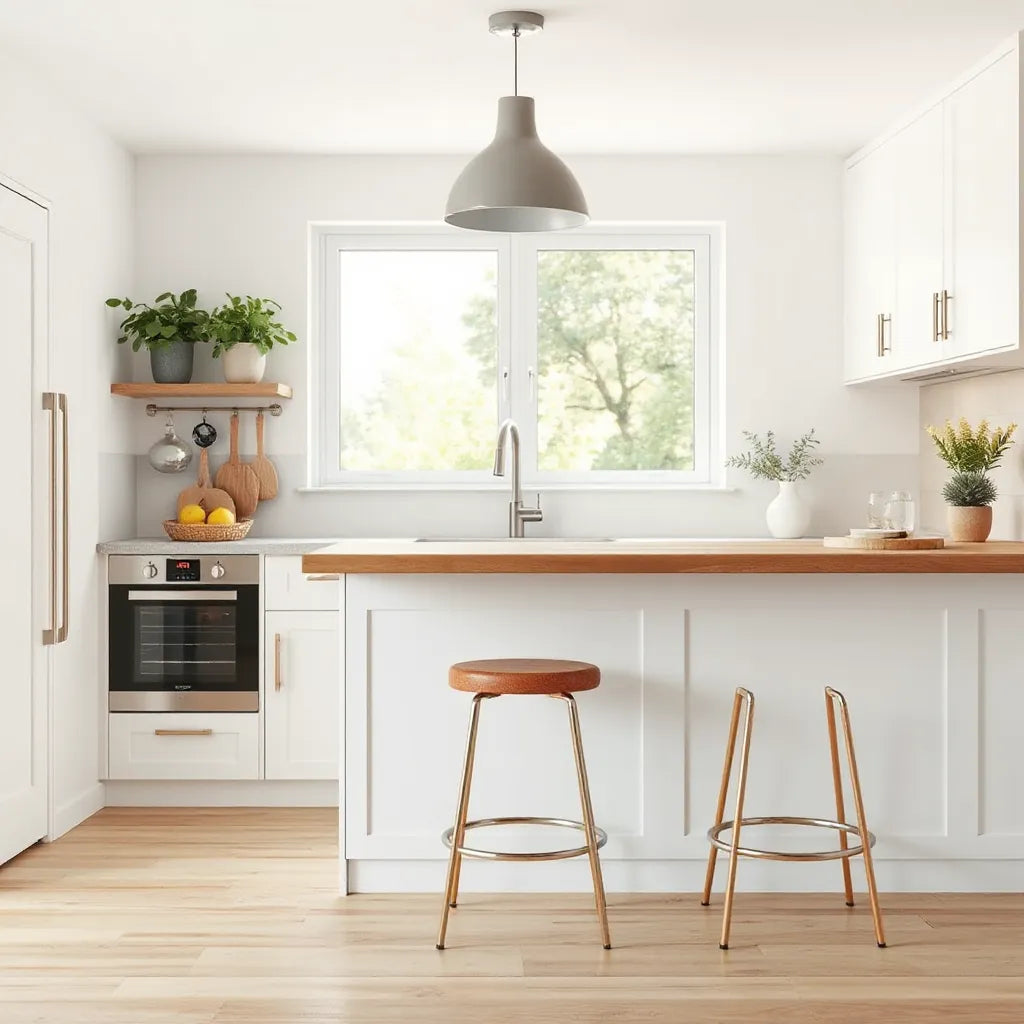
Midpoint visual context: color warmth and stability are easier to evaluate with a simple reference scene.

Warm seating tones, counter edge, and stable base symbols
How to Choose the Right Brick Red Bar Stool
The right Brick Red Bar Stool is the one that matches your counter height, supports your posture, and fits your room layout. Start with measurements, then focus on comfort features, and finally confirm durability and maintenance requirements.
1) Match seat height to your counter or bar
Bar stools are available in a range of seat heights. Measure from the floor to the underside of your counter or bar. Then choose a stool that allows your knees to sit comfortably without creating strain. As a practical rule, you want enough clearance to slide in and out smoothly while still feeling grounded at the seat.
If your space is used for eating, ensure the stool height supports relaxed leg positioning. If it is mainly for casual work, prioritize a seated posture that keeps your arms aligned with the counter surface.
2) Confirm width, seat depth, and back support
Even when two stools share the same height, their feel can differ. A seat that is too shallow can cause discomfort during longer sitting sessions. A seat that is too deep can push your hips into an awkward angle. Look for balanced seat depth and, if relevant to your needs, a backrest or supportive structure that keeps you comfortable.
Also consider how you will use the stool. If you plan to stand and sit frequently, a streamlined seat profile may feel more natural. If you expect longer meals, a more supportive design can make a meaningful difference.
3) Choose the material strategy for your lifestyle
Brick red looks especially compelling when the material matches the room’s texture. Upholstered seats can add softness and a casual warmth. Wood or solid finishes can create a cleaner, structured look. Metal components can improve stability and create a sharper visual contrast.
Before you decide, think about day-to-day maintenance. If you anticipate frequent spills, prefer finishes and fabrics that can be cleaned with reasonable effort. If you live in a dry or high-humidity environment, prioritize materials that handle those conditions without cracking or warping.
4) Evaluate stability and base design
Stability matters more than many shoppers expect. A stable base reduces wobble and supports safe movement. Check whether the stool has a wide stance or reinforced joints. Also look for leg geometry that prevents rocking when someone leans forward slightly while getting comfortable.
5) Style with color balance, not color overload
Brick red is a strong accent color. The best results come from pairing it with supportive neutrals such as cream, white, beige, or light gray. For bolder interiors, you can also match with warm metals like brass or copper. To keep the room cohesive, align other elements such as curtains, rugs, or tabletop decor to the same warmth level.
If your space already includes red tones elsewhere, treat the stool as part of a coordinated palette rather than a competing accent.
Step-by-Step How-To: Styling and Placement
Once you choose the right Brick Red Bar Stool, placement and spacing determine whether the seating feels effortless or cramped. Use the following steps to set up your bar area with reliable comfort and visual order.
Step 1: Measure the full bar or counter line
Confirm the usable length and the positions where stools will sit. Mark each intended stool location so you can evaluate spacing before purchasing additional items. This is especially important when you plan to add multiple stools.
Step 2: Plan for leg clearance and movement
Leave enough space for people to pull the stool in and out without bumping nearby furniture. If your bar area sits beside a walkway, increase clearance so daily movement remains smooth.
Step 3: Set the stool so the seat aligns with the work surface
Place the stool so it faces the bar or counter at a natural angle. The seat should line up with the counter surface at a comfortable distance. If your counter has an overhang, account for it so diners or users can sit without twisting their torso.
Step 4: Balance the visual weight across the room
Brick red carries strong visual weight. Counterbalance it with lighter surfaces, such as pale walls, natural wood, or matte finishes. If you already have dark cabinets, consider adding softer textiles nearby so the area remains inviting.
Step 5: Add coordination through lighting and accessories
Lighting can either enhance or flatten color. Use warm ambient lighting to make brick red appear rich rather than dull. Then add simple accessories such as a neutral runner, a minimalist tray, or complementary wall decor.
Step 6: Test comfort and adjust by fractions
After placing the stool, sit and evaluate. Small changes matter. Move the stool slightly to improve reach and posture. If the seat feels too close or too far, adjust placement in small increments rather than making large changes at once.

Counter spacing diagram with warm light and clean lines
Personal Experience
The first time I styled a counter area with a brick-toned stool, I underestimated how much color impacts perceived comfort. The stool looked excellent in isolation, but the seating felt visually heavy until I refined the surrounding palette. I added a lighter wall tone and switched the nearby accessory colors to warm neutrals. The brick red then read as intentional and warm instead of overpowering.
I also learned that the placement process is not merely about fitting the stool under the counter. It is about creating the correct relationship between the seat, the counter edge, and the space for movement. After adjusting by a few centimeters, the entire area became more functional. The room looked more composed, and the seating felt easier to use during everyday routines.
That experience reinforced a key principle: a Brick Red Bar Stool should be selected for structure and comfort first, then refined through styling and placement so the color integrates seamlessly.
Summary & Recommendations
A Brick Red Bar Stool can deliver a bold, warm accent while supporting day-to-day comfort. To choose well, focus on seat height compatibility, balanced seat dimensions, stable base design, and materials that match your lifestyle. For styling, treat brick red as the focal warmth and anchor it with neutrals, complementary metals, and cohesive lighting.
If you are building a complete seating set, compare designs across your space to maintain consistent seat geometry and proportions. For an alternative to explore, you can review another bar stool design and use its measurements as a reference for your own fit checks.
Finally, do not skip the placement test. Sit, adjust, and confirm movement clearance. This small effort improves both comfort and the room’s overall appearance.
Q&A Section
How do I measure for a Brick Red Bar Stool without guessing?
Measure from the floor to the underside of your bar or counter. Then select a stool seat height that allows your legs to sit comfortably with minimal bending strain. When possible, compare the stool’s listed seat height to your measurement and test the reach to the counter surface once installed.
What colors pair best with a brick red accent?
Brick red pairs well with cream, white, beige, and light gray because these neutrals keep the space balanced. For a more layered look, combine it with natural wood tones and matte black or warm metals. If you add additional strong colors, keep them limited so the stool remains the focal point.
Are bar stools with a backrest necessary?
A backrest is not mandatory, but it can improve comfort for longer sitting sessions. If you expect extended use for meals, work, or conversation, prioritize a design with supportive back structure or a seat shape that encourages an upright posture. If the seating is for short visits, a backless option can still work well if the seat is comfortable.
How can I keep a brick red seating surface looking clean?
Use the manufacturer-recommended cleaning approach for the material type. For most everyday dust and light marks, gentle cleaning methods work best and help preserve finish integrity. For fabric or textured surfaces, blotting and appropriate cleaners can prevent unnecessary spread of stains while maintaining appearance over time.
Can I use multiple Brick Red Bar Stools in one space?
Yes, multiple stools can look cohesive when you maintain consistent spacing and alignment. Plan the number of stools based on how people will move in the area. Keep the layout symmetrical when possible, and ensure each stool provides comparable clearance for comfortable entry and exit.
About the Author
Nisu Home
Nisu Home is a retail and lifestyle brand focused on thoughtful home furnishings and practical interior design guidance. Our expertise covers seating fit, material selection, and room planning for everyday usability. Thank you for reading, and we invite you to explore options that match your space and style with confidence.

Leave a comment
This site is protected by hCaptcha and the hCaptcha Privacy Policy and Terms of Service apply.