

Updated on: 2026-09-14
Bespoke furniture design transforms everyday rooms into spaces that match your measurements, routines, and aesthetic goals. A well-planned custom build can improve layout efficiency, durability, and long-term satisfaction. This guide explains what bespoke design includes, how to compare options, and how to prepare for a smooth specification process. You will also find practical buying checks and a focused set of answers to common questions.
Table of Contents
- What Bespoke Furniture Design Actually Means
- Did You Know?
- Comparison: Pros & Cons
- Buyer’s Checklist
- How to Plan for Fit, Function, and Finish
- Materials, Craft, and Longevity Considerations
- Final Thoughts & Advice
- Q&A Section
What Bespoke Furniture Design Actually Means
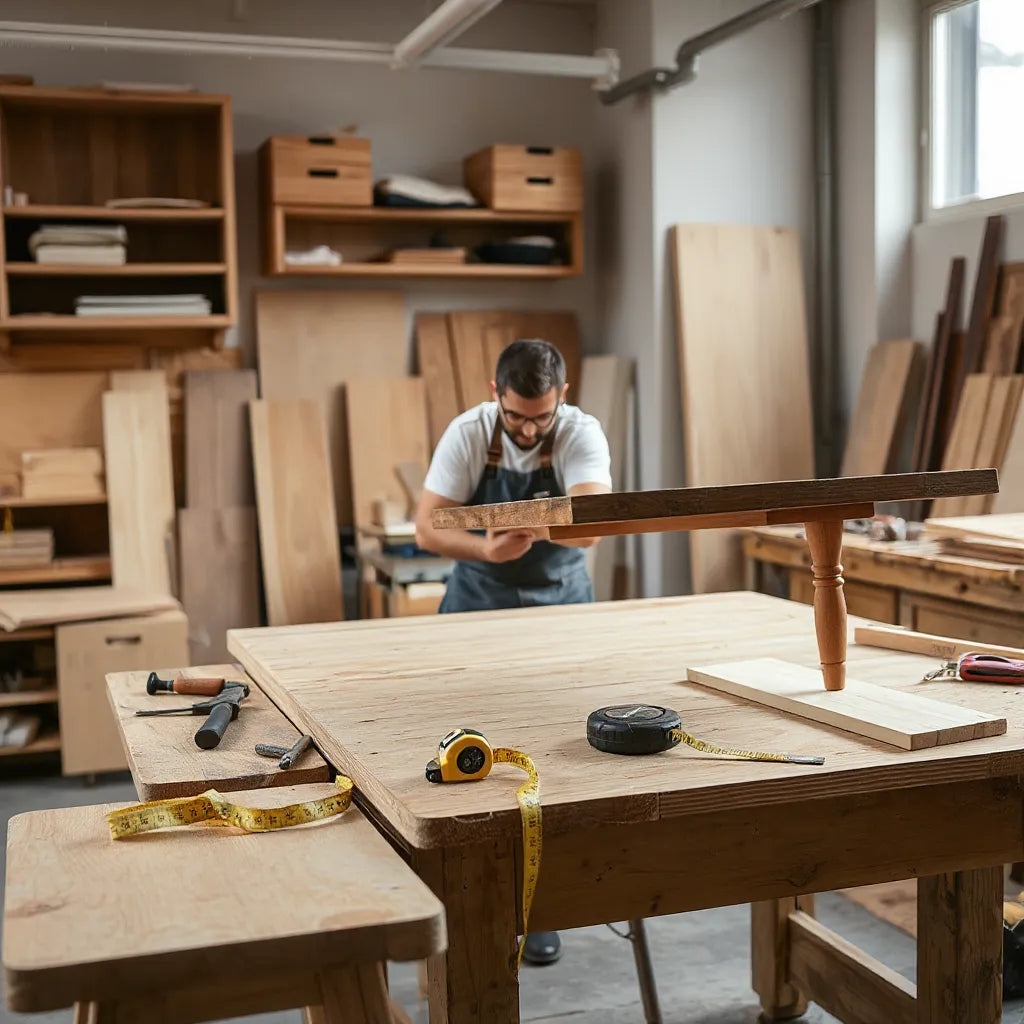
Bespoke furniture design is a custom approach where a maker designs and builds pieces around your space, your preferences, and your daily use. Instead of selecting from fixed sizes, you define the dimensions, proportions, and features that suit your home. The result is furniture that fits your room more precisely and aligns with your style in a more intentional way.
Most buyers begin with a need: a storage gap that standard cabinets do not solve, an awkward corner that standard seating cannot utilize, or a dining area that needs a different scale. A strong bespoke process starts with measuring and documentation. It then moves into design decisions such as joinery style, hardware selection, fabric or finish choice, and usability features. When done correctly, the piece becomes part of the room, not an afterthought.
Even if you already have a concept, custom design helps you convert ideas into practical details. For example, a drawer depth that supports your daily routines may matter more than a decorative detail. Similarly, a chair height that matches your table clearance improves comfort and reduces wear. For many homeowners, the value lies in the combination of fit and finish, supported by professional guidance.
If you want a broader perspective on how to choose the right home item for your space, this external guide can help with decision structure: Choosing Portable Air Conditioners A Practical Guide. The same logic applies to custom furniture: define requirements, compare options, and prioritize suitability over marketing claims.
Did You Know?
- Custom measurements reduce “fit friction.” A few millimeters can change how a door clears a hinge or how a chair sits at the table.
- Design choices affect maintenance. Sealed surfaces, appropriate finishes, and accessible hardware can make routine care easier.
- Proportions matter for perception. When a piece is scaled correctly, rooms look more balanced even with fewer design elements.
- Hardware can be a performance factor. Drawer slides, hinges, and fasteners influence smoothness and how long the piece stays reliable.
Comparison: Pros & Cons
-
Pros
- Improved fit for your room layout and personal comfort.
- Design alignment with your aesthetic and functional priorities.
- More control over materials, finishes, and construction quality.
- Potentially better long-term value due to durability and relevance.
-
Cons
- Higher upfront cost compared with standard furniture.
- Longer planning and production timelines may apply.
- Decision-making is more involved, especially for finishes and hardware.
- Quality depends on vendor skill, processes, and communication clarity.
Buyer’s Checklist
Use the following checklist to evaluate a custom furniture project with confidence. This approach helps you avoid common mistakes such as vague specs, unsupported design expectations, or unclear responsibility for measurements and installation.
- Room measurements: Record wall-to-wall distances, ceiling height, door clearances, and any obstructions.
- Use cases: Identify how you will interact with the piece daily (storage frequency, seating duration, cleaning routines).
- Style references: Share mood cues like color families, preferred lines, and finish direction rather than only broad descriptions.
- Finish and maintenance plan: Confirm what the surface is, how it should be cleaned, and how wear is handled.
- Construction details: Ask about joinery, edge treatment, and how parts are secured for long-term stability.
- Hardware specifications: Verify slide and hinge quality and whether replacements are available.
- Budget framework: Set a target range and allocate budget to the most visible and most used features.
- Timeline alignment: Confirm production steps and when final measurements are required.
- Delivery and install clarity: Determine whether delivery, assembly, or placement guidance is included.
If you are comparing custom options, treat the process like a design brief. The goal is to align expectations early, before the project reaches final production.
How to Plan for Fit, Function, and Finish
In bespoke furniture design, the first success factor is fit. Fit is not just width and height. It includes how the piece sits within circulation paths, how it interacts with adjacent furniture, and whether it supports natural movement. For example, a sideboard should not block passage around a hallway. Seating should allow a comfortable posture without forcing knees against a base. Storage should be reachable without repeated strain.
Next, function determines the internal layout. For storage, consider shelf adjustability, compartment widths, and access frequency. For seating, consider seat height, back support shape, and leg space. For tables, consider overhang clearance and how the surface responds to daily use. When you define function early, the design can include practical features such as internal partitions, removable components, cable access points, or reinforcement where weight concentrates.
Finally, finish choices affect how the piece looks and how it behaves over time. A finish is not only a color decision. It includes sheen level, texture, stain resistance, scratch behavior, and edge durability. Many buyers underestimate edge and corner treatment. These are high-contact areas that influence wear patterns. Selecting the right edge strategy can improve the piece’s lifespan and reduce visible aging.

Room layout symbols: measurements, clearance lines, design flow
When working with a maker, ask for a documented plan. A clear specification sheet should describe dimensions, material selections, construction approach, and finish targets. If your room has unusual angles or uneven walls, measurement documentation is essential for accuracy. If you already own related items, mention them so the scale can match. The most satisfying custom results occur when the design accounts for both the visible and the invisible constraints.
What to share with your designer
Provide a compact but complete set of inputs. Include reference images for the overall direction, a rough floor plan or room sketch, and notes on how you use the space. If you are incorporating existing pieces, share their measurements and how you plan to place them. This allows the maker to align proportions and avoid collisions with doors, drawers, and lighting.
In many cases, you will also need a decision on how the piece should age. Some finishes are selected for a uniform appearance. Others are selected to develop character. If you prefer a consistent look, request a sealed surface strategy. If you prefer a more natural patina approach, confirm how the finish will behave and what maintenance it needs.
Materials, Craft, and Longevity Considerations
The second success factor in bespoke furniture design is construction quality. Materials influence strength, stability, and the long-term performance of joints and surfaces. Craftsmanship influences how well components align and how smoothly hardware operates.
Start with the structural plan. Ask what the frame is made from and whether the design uses reinforcement at stress points. For seating, the internal structure matters as much as the exterior covering. For tables and cabinets, consider the stability under normal conditions. A maker should also describe how they address warping risk, expansion, and humidity effects for the materials they select.
Next, evaluate surfaces. Wood choices, coatings, laminates, and veneers each have different wear characteristics. For high-contact areas, the maker should specify what is protected and how edges are treated. For upholstered components, request information about fabric or leather grade and how it is tested for durability. If your household includes pets or frequent use, discuss wear patterns realistically and ask what material options are best suited.
Finally, look for evidence of process. A professional workflow typically includes concept review, specification confirmation, and final checks before production. Quality control is particularly important for joinery alignment and hardware installation. When a piece is custom, even small errors can be more noticeable because the design was built for a specific space.

Material layers: wood grain, edge layers, hardware icons
Many buyers consider whether custom furniture will integrate with their long-term styling plan. A well-built piece often serves as a stable foundation. Style can evolve through textiles, lighting, and accessories. If the base construction and finishes are selected thoughtfully, the piece can remain relevant for years while other design elements shift.
How to avoid design mismatch
Design mismatch typically occurs when a buyer chooses visuals without specifying functional needs, or when specifications remain incomplete. To reduce this risk, confirm the following: the exact measurements, the finish sheen level, the color family, the hardware style, and the intended use scenario. Also confirm that the piece will be scaled correctly to adjacent furniture.
For example, dining chairs should match table height and overhang comfort. If you are comparing seating options, it can help to review existing product designs for scale and silhouette. Consider reviewing seating pages such as Izumi chair or Toshiro chair to understand how proportions are executed in real product design. While custom builds will vary, these references can clarify what dimensions and forms look like in practice.
Final Thoughts & Advice
Bespoke furniture design works best when the project is guided by measurable requirements and clear finish decisions. Prioritize fit first, then function, then the details that define how the piece looks and feels. A structured specification process reduces surprises and improves outcome consistency.
When you evaluate vendors, focus on communication clarity and documentation. The right maker should be able to describe their construction approach, how they handle measurements, and how they confirm finish selections. If you have a strong design direction, share it early. If you are unsure, ask for options framed around your everyday use.
Finally, align expectations with your timeline and budget. Custom work often requires careful decision cycles. When planning is deliberate, the result is furniture that supports your routines and elevates your space with durable, intentional craftsmanship.
Call to action: If you are preparing a project and want a practical starting point for sizing and style direction, explore relevant furniture references on the Nisu Home website at Nisu Home furniture collections. Use those references to translate preferences into measurable specifications before you request a custom quote.
Q&A Section
How do I calculate the right dimensions for bespoke furniture design?
Start with complete room measurements and include functional clearances such as door swing paths, drawer access, and walking routes. Measure adjacent furniture height differences that affect seating or tabletop alignment. If the piece will be installed against walls, note whether walls are perfectly flat and whether floors are level. A professional measurement visit can improve accuracy when rooms have uneven surfaces.
What should I prioritize if my budget is limited?
Prioritize the elements that are used daily and the elements that impact performance. For example, choose durable construction and reliable hardware first, then allocate budget to visible surfaces such as the main finish or the face frame. If you must simplify details, reduce decorative complexity while preserving structural integrity and practical ergonomics. Ask the maker to propose a phased upgrade path where feasible.
How can I ensure the finish will look right over time?
Request finish documentation that describes sheen level, expected color behavior, and care instructions. Evaluate sample finish options under lighting conditions similar to your home. Confirm how the maker treats edges and how the surface responds to routine cleaning. If you prefer uniform appearance, request a more sealed strategy; if you prefer natural aging, confirm how patina will develop and what maintenance maintains the desired character.
About the Author
Nisu Home
Nisu Home is an editorial and design-focused team with expertise in interior styling, material selection, and furniture craftsmanship. The team focuses on helping customers make confident decisions through clear guidance and practical specifications. For readers planning a custom project, the goal is to support a smooth process from measurements to final finish. Thank you for reading, and may your next space reflect both function and character.
Disclaimer
The information in this article is for general guidance only and does not constitute professional design, engineering, or installation advice. Results depend on room conditions, selected materials, and vendor execution. Always confirm measurements, specifications, and care requirements with your chosen manufacturer or installer before placing an order.

Leave a comment
This site is protected by hCaptcha and the hCaptcha Privacy Policy and Terms of Service apply.