

Updated on: 2026-10-06
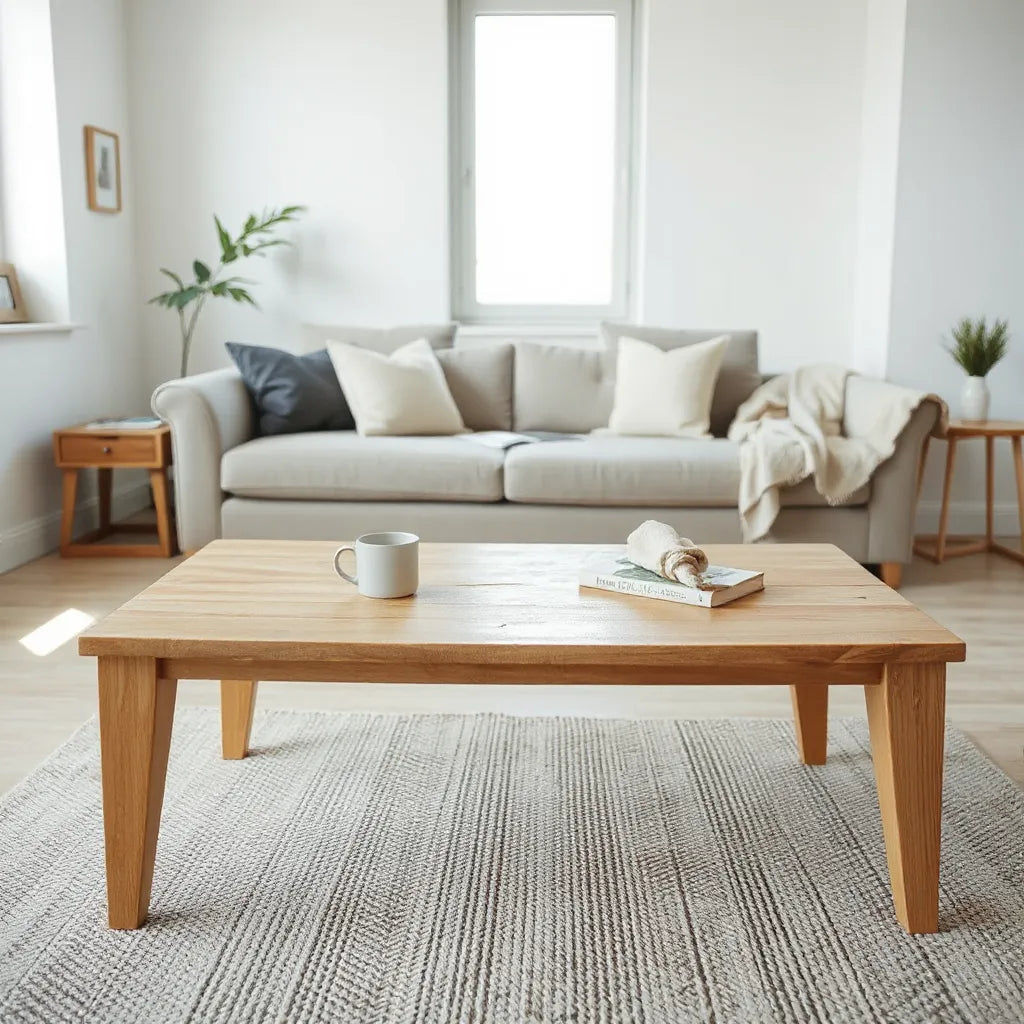
An artisanal coffee table can transform how a living space feels, not just how it looks. When craftsmanship, wood grain, and joinery are considered, the table becomes a daily focal point. This guide explains what to look for, how to match style and function, and how to protect the finish. You will also find practical buying questions and care steps to keep the piece beautiful over time.
Table of Contents
- Why an Artisanal Coffee Table Matters
- Personal Encounter: Choosing a Table That Stayed
- Key Advantages of an Artisanal Coffee Table
- What to Look For Before You Buy
- Fit for Your Space: Size, Height, and Layout
- Materials and Finish: The Practical Details
- Quick Tips for Confident Selection
- Summary and Next Steps
- Q&A
Why an Artisanal Coffee Table Matters
The right centerpiece can make a room feel intentional, calm, and welcoming. An artisanal coffee table is more than a surface for books, remotes, or afternoon tea. It reflects design choices that are meant to last: balanced proportions, thoughtful proportions for seating, and construction methods that reduce wobble and wear.
Unlike mass-produced options that may prioritize uniform appearance, an artisanal piece often emphasizes texture and character. Wood may show natural variation, edges may be shaped with care, and surfaces may be finished to highlight grain rather than hide it. This difference matters because the table is visible every day. When it is built well, it supports daily routines without demanding attention or correction.
Personal Encounter: Choosing a Table That Stayed
I once replaced a flat, modern coffee table after it began to feel visually “heavy” in the room. The main issue was not size alone. The proportions were misaligned with the sofa arm height, so the table visually cut the sightline. It also felt slightly unstable, and I found myself shifting it during cleaning.
After that experience, I focused on an artisanal approach: construction that feels solid, a finish that looks better as it ages, and edges that do not feel sharp or accidental. The change was immediate. The room looked more cohesive, and everyday use became easier. That is the best test of a coffee table: it should make daily life smoother, not more complicated.

Wood grain, tools, and joinery details close-up
Key Advantages of an Artisanal Coffee Table
- Design with character: Subtle variations in grain and shape give the room warmth and depth.
- Stronger everyday usability: Quality joinery supports stability under normal use.
- Better visual balance: Thoughtful proportions complement seating rather than compete with it.
- Finishes that can mature gracefully: A well-applied coating can develop a richer look over time.
- Long-term value: Craftsmanship often reduces the need for early replacement.
What to Look For Before You Buy
Buying a coffee table should be an evidence-driven process. The goal is to confirm that the piece matches your needs in comfort, durability, and style. Use these criteria to evaluate options, especially when you are drawn to artisanal craftsmanship.
1) Construction and stability
Press gently at different points on the tabletop and sides. A well-constructed table should not shift noticeably. Pay attention to how the legs are attached and whether the base forms a rigid frame. If the table includes connecting elements, check how cleanly the joints look and whether the alignment is consistent.
2) Surface quality
Inspect the finish in light. Look for an even sheen, smooth edges, and minimal rough spots. If you expect frequent use, choose a surface that is easy to wipe clean and resistant to everyday scuffs.
3) Edge treatment
Edges influence comfort and safety. Rounded or smoothly profiled edges are often more pleasant for a household that includes kids or frequent movement around the living area. This is an artisanal detail that mass-produced pieces may overlook.
4) Storage features, if needed
Some coffee tables include shelves, drawers, or open compartments. If you want a cleaner living room surface, storage can reduce clutter. If you do not need hidden space, focus on leg clearance and ease of moving items around the table.
5) Style alignment
Consider the full room palette: sofa color, flooring tone, and lighting warmth. An artisanal table can blend with many styles, but the finish and undertone should support your existing materials.
Recommended product to consider:
Ureshii Coffee Table

Fit for Your Space: Size, Height, and Layout
A beautiful table can still be a poor fit if its dimensions do not support the seating arrangement. Before you decide, measure and compare. Most living rooms benefit from a clear relationship between sofa height and table height. The goal is comfort for placing drinks, resting books, or reaching for a remote.
Start with three practical checks:
- Allow walking space: Keep pathways clear so chairs and people can move without snagging legs or corners.
- Confirm table height: The surface should be reachable from seated positions without strain.
- Balance length and width: A table that is too large can dominate the room; a table that is too small may feel detached from the seating.
If your space is narrow, consider a slimmer footprint or a design with open under-structure. This helps the room feel lighter while keeping the surface usable.

Living room layout grid showing spacing and proportions
Materials and Finish: The Practical Details
The material choice determines the table’s look, maintenance needs, and long-term resilience. Artisanal coffee tables often highlight natural materials. That is part of the appeal, but it also means you should understand the finish type and how it responds to daily life.
Wood selection and grain character
When wood grain is visible, it becomes a design feature. Some homeowners prefer consistent grain patterns; others value the natural movement that gives a table individuality. If your home uses varied textures, a table with gentle variation can integrate seamlessly.
Also consider how the table’s undertone interacts with other finishes. Warm woods pair naturally with brass and amber lighting. Neutral or cooler-toned rooms often benefit from finishes that do not look overly yellow or overly gray.
Finish durability
A protective coating helps with everyday cleaning and reduces the likelihood of staining from common household use. Look for a finish that resists fading from regular light exposure and does not feel tacky. A well-finished surface should wipe clean without leaving cloudy residue.
Maintenance expectations
Every finish has a maintenance profile. If you want a low-effort routine, prioritize surfaces that can handle gentle wiping. Avoid aggressive cleaners that may strip the top layer. If you are unsure, follow the manufacturer’s care guidance and test any product on a discreet area first.
Quick Tips for Confident Selection
- Measure your seating area, not only the room length and width.
- Choose proportions that support comfortable reach from the sofa or chairs.
- Inspect joints, edges, and surface smoothness under good lighting.
- Match the table’s undertone to your flooring and main wood pieces.
- Decide whether you need storage before selecting a shape.
- Confirm the cleaning method you can sustain weekly and monthly.
- Plan for placement that reduces direct exposure to intense heat and prolonged moisture.
Summary and Next Steps
An artisanal coffee table is a practical investment in comfort and atmosphere. By prioritizing stability, surface quality, edge treatment, and finish durability, you increase the odds of a table that looks refined and remains easy to live with. Use measurements to ensure height and spacing support seated use. Then confirm your care routine aligns with the finish type.
Next, shortlist options that fit your living room dimensions and style direction. If you already have a favorite piece in mind, validate it with the checks above. A confident selection is usually the result of a few targeted questions and careful observation.
Q&A
How do I choose the right size for an artisanal coffee table?
Measure the distance between your seating pieces and allow clear walking space around the table. Select a height that supports comfortable placement from seated positions. In most living rooms, a balanced width and length help the table feel integrated rather than detached.
What materials are most suitable for everyday living?
Solid wood and well-applied protective finishes are common choices for artisanal designs because they offer tactile warmth and everyday resilience. The best option is the one whose finish matches your cleaning habits and your household routine.
How should I care for the finish without damaging it?
Use gentle cleaning methods appropriate to the finish and avoid harsh solvents. Wipe with a soft cloth and remove spills promptly. If you consider any cleaner beyond basic care, test it on an inconspicuous area first to confirm it does not affect sheen or color.
Can an artisanal coffee table work in a small living room?
Yes, provided you choose proportions that preserve openness. Slim silhouettes, clear under-structure, and careful placement can help the room feel less crowded. Focus on reachable height and a footprint that maintains circulation.
How can I style the table to look intentional without clutter?
Use one anchor item, such as a tray or a single larger centerpiece, then add a small number of complementary objects. Limit the number of small items to avoid visual noise. If storage exists, use it to keep frequently used items close at hand but out of sight.
About the Author
Nisu Home is guided by a practical design philosophy that favors durable materials, calm aesthetics, and thoughtful details. The team focuses on furniture expertise related to wood selection, finish care, and room-ready proportions. Thank you for reading, and we hope this guide helps you choose a coffee table that enhances daily life with confidence.

Leave a comment
This site is protected by hCaptcha and the hCaptcha Privacy Policy and Terms of Service apply.