

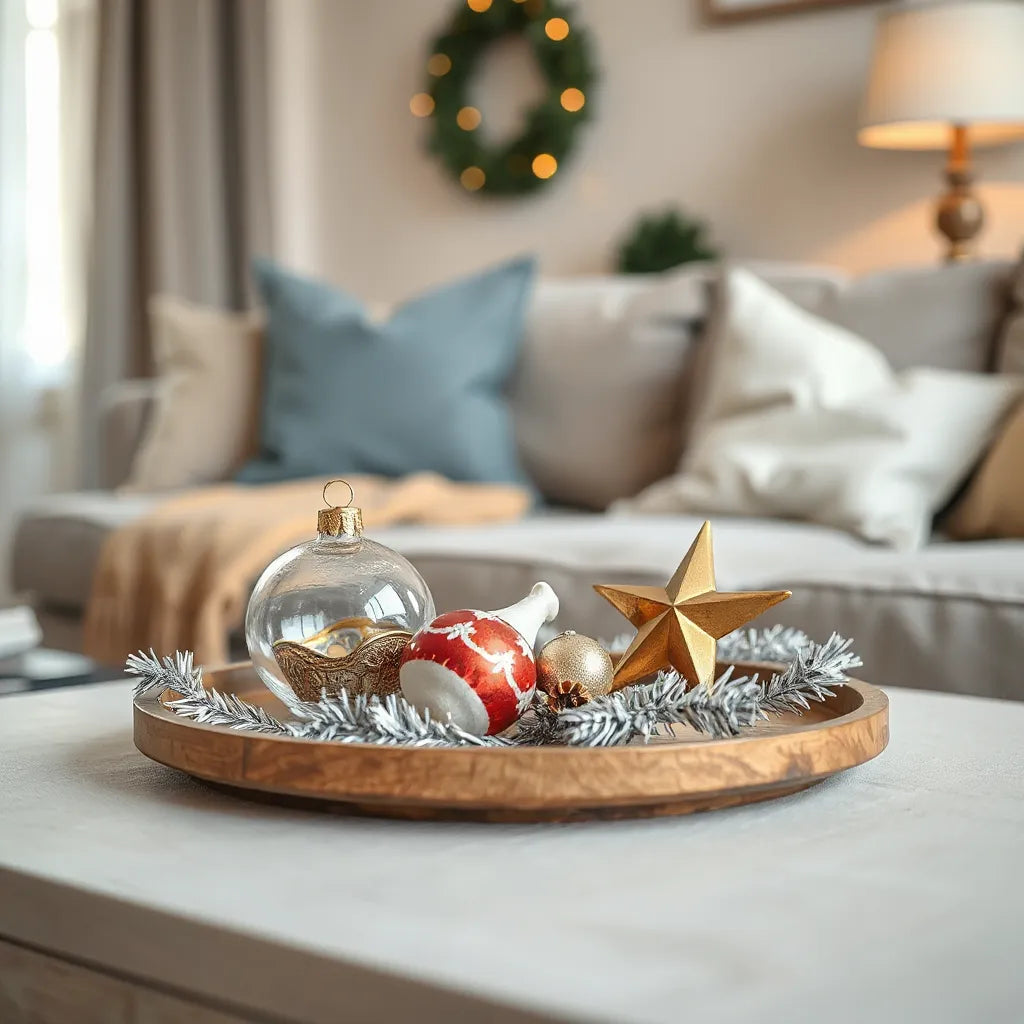
Updated on: 2026-06-24
Vintage style ornaments add immediate warmth, character, and visual rhythm to any room. When chosen with intention, they can support a cohesive theme rather than look scattered. You can also adapt them to seasonal accents by rotating a few pieces. This guide explains how to select, place, and care for vintage-inspired decor so it remains timeless and functional.
Introduction
Creating a home that feels lived-in, elegant, and personal often depends on small details. Vintage style ornaments are among the most effective details because they bring texture, history, and craftsmanship cues into modern spaces. These ornaments are not limited to one style of interior design. They can work in farmhouse living rooms, traditional dining areas, minimalist bedrooms, and even contemporary entryways when the selection and placement are handled with care.
In this article, you will learn how to choose vintage-inspired ornament pieces, how to place them so they look intentional, and how to maintain them for long-term use. You will also find practical guidance on pairing ornaments with lighting, surfaces, and color palettes. The goal is simple: help you build a cohesive look that stays attractive year after year.
Step-by-Step Guide
Below is a structured method to select and style vintage-inspired accents without overwhelming your space.
1) Define the mood before you shop
Start by deciding what feeling you want to create. Many vintage looks lean toward warm tones, gentle contrast, and visible craft details. Decide whether you want a nostalgic, romantic, or rustic impression. Then connect that mood to a limited color palette. For example, you can anchor the room with warm neutrals, then add ornaments in muted gold, deep bronze, faded red, or soft cream.
2) Identify your vintage style direction
Vintage style is broad. You can move toward classic Victorian cues, early 20th century patterns, mid-century forms, or old-world European details. If you are uncertain, choose ornaments that share one dominant feature such as:
- Similar material cues (metal, glass, ceramic, or aged wood look)
- Consistent finish family (antique brass, weathered bronze, cream patina)
- Coherent visual motifs (floral, botanical, scrollwork, classical shapes)
This step reduces visual noise and makes the display feel curated.
3) Choose a focal area and build around it
Ornaments look best when you treat them like punctuation. Pick one focal area such as a shelf, mantel, cabinet top, side table, or entry console. Place the largest or most detailed item first. Then add smaller complementary ornaments to balance height and spacing. Avoid crowding. Negative space helps older-inspired pieces look intentional and refined.

Balanced shelf layout with varied heights and textures
4) Mix sizes using a simple visual rhythm
To maintain a vintage look while keeping the display orderly, follow a rhythm: use one dominant ornament, two medium pieces, and several small accents. This structure creates depth and guides the eye. If you use ornaments in multiples, keep their colors aligned and repeat finishes rather than repeating exact shapes.
For a more grounded appearance, combine ornaments with everyday decor elements such as books, neutral trays, or plain ceramic vessels. This approach lets the ornaments stand out while still fitting into daily life.
5) Match ornaments to the room’s surface and lighting
Lighting strongly influences how antique finishes appear. Soft warm light typically flatters aged metals and cream tones. If your space has cool overhead lighting, consider adding lamp light near the display area so ornaments do not look washed out. Also evaluate how the ornaments interact with nearby surfaces:
- Glossy surfaces amplify shine and reflect highlights.
- Matte textures soften contrast and make details feel more subtle.
- Wood and fabric surfaces add warmth and enhance vintage character.
Use this knowledge to position ornaments so their textures remain visible from the main seating viewpoint.
6) Add seasonal flexibility without redesigning
A major advantage of vintage style ornaments is that they can support seasonal change through small swaps. Keep a core arrangement that remains consistent, then rotate a few accent items. For instance, you can update color emphasis for spring by introducing lighter tones, and shift toward deeper hues during colder months. The display still feels familiar, yet it avoids the effort of starting from scratch.
7) Keep scale realistic for your space
Overly large ornaments can feel heavy in small rooms, while tiny ornaments can become invisible in spacious areas. Measure the area where you plan to display your pieces. Then choose ornaments that match the visual weight of that surface. As a rule of thumb, if the display area is narrow, use fewer items with slightly taller profiles. If the area is wide, you can add a greater number of elements while maintaining spacing.
8) Incorporate functional decor for a more authentic feel
Authentic vintage styling often includes practical objects that look decorative. You can support that effect by pairing ornaments with functional items such as a tray, a book stack, or a small storage container. The result is a display that feels natural rather than staged.
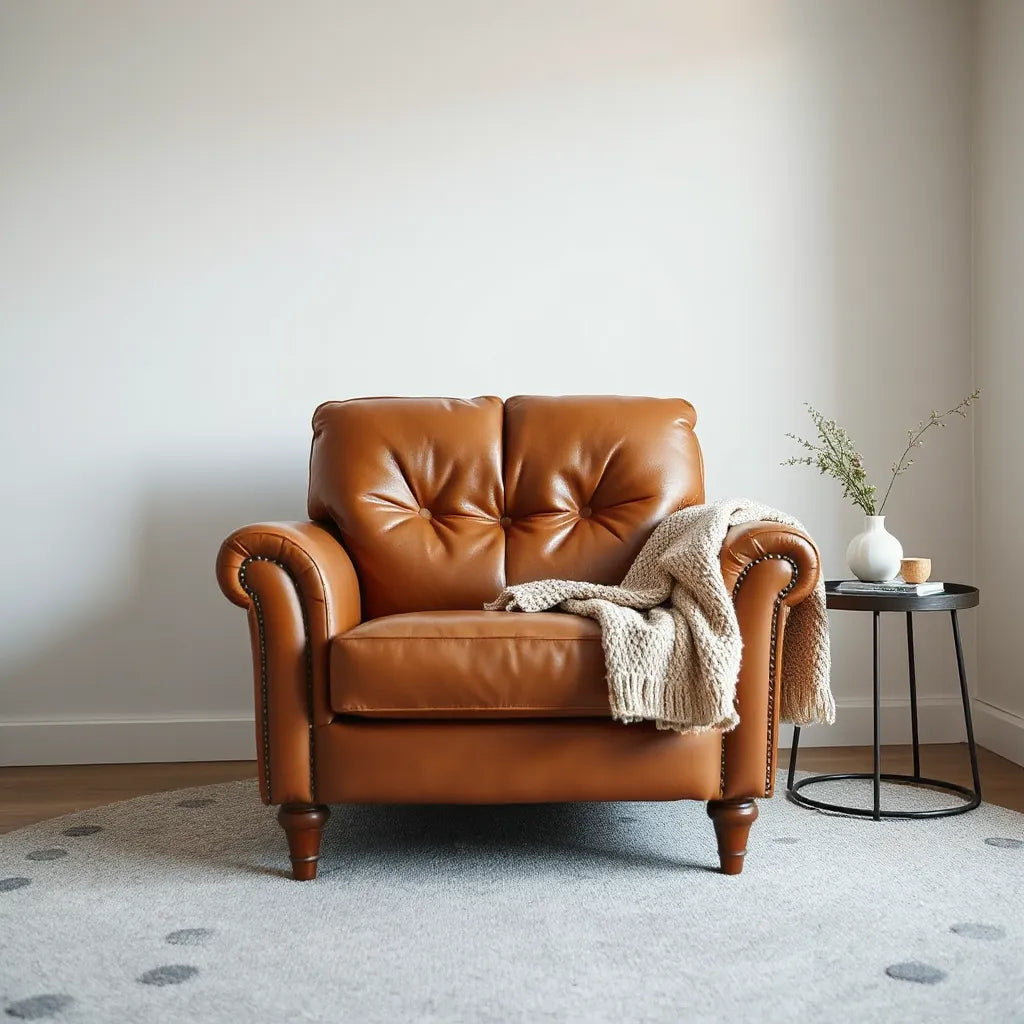
If you also maintain vintage-inspired furniture, ensure the ornament color story aligns with your larger pieces. For example, warm metallic ornament finishes tend to harmonize with furniture that features wood tones and soft upholstery. If you want to refine a seating area with vintage-friendly warmth, consider reviewing curated furniture options on the Nisu Home site. For example, you can explore seating style options like an Izumi chair to support a cohesive, elevated interior theme.
Tips
Use these expert strategies to refine your approach and keep your vintage ornament display looking polished.
- Limit your finish families. Choose two main finish cues and repeat them across the arrangement for unity.
- Use odd-number groupings. Three, five, or seven items often look more balanced than even groupings.
- Repeat one motif. A floral motif, classical scroll detail, or botanical theme repeated at least twice will tie the display together.
- Anchor with a neutral base. A neutral tray, a light-colored book spine, or an understated backdrop makes ornaments stand out.
- Blend old and new materials. Pair vintage-inspired ornaments with modern ceramics, clean glass, or contemporary fabric for contrast.
- Avoid cluttering the top surface edges. Leave a small margin around the perimeter so the display feels breathable.
- Plan sightlines. Check how the ornaments look from sitting eye level, not only from standing height.
- Protect delicate finishes. Place ornaments away from direct moisture and strong heat sources to reduce fading or oxidation.

Close-up vignette showing aged metal tones and soft shadows
FAQs
How do I choose vintage style ornaments without making the display look dated?
Focus on quality cues rather than exact age references. Select ornaments with warm, refined finishes and motifs that suit your room. Then blend them with contemporary elements such as clean lines, neutral fabrics, and minimal backgrounds. This balance preserves vintage character while keeping the overall look current.
What colors pair best with vintage-inspired decor?
Muted and warm colors tend to work best, including cream, ivory, sand, warm gray, faded blush, deep green, and muted burgundy. For finishes, antique brass, weathered bronze, and aged gold tones usually coordinate well. If you use bold colors, keep them in small accents to prevent the display from becoming visually dominant.
Where should vintage ornaments be placed for the best visual impact?
High-visibility areas typically include shelves, mantels, cabinet tops, entry consoles, and side tables near natural light. Choose a focal point first, then build supporting pieces around it. When possible, position ornaments so they are visible from the main seating area, which ensures the display contributes to everyday enjoyment.
How can I clean vintage-inspired ornaments safely?
Use a dry, soft microfiber cloth for routine dust removal. For deeper cleaning, check the ornament material and finish before using any cleaner. Avoid soaking items and do not apply abrasive tools that can scratch surfaces. If an ornament contains delicate components, store it separately and handle it with care.
Wrap-up & Final Thoughts
Vintage style ornaments work because they add texture, charm, and a sense of craftsmanship to everyday spaces. The most reliable approach is to define your mood, choose a consistent style direction, and build a display around a clear focal area. Then support the look with lighting, realistic scale, and thoughtful spacing. With a simple rotation plan for seasonal accents, your ornament arrangement can stay fresh while remaining cohesive.
If you want to connect your decor theme across the room, consider aligning ornament finishes with the tone of your furniture and key surfaces. A well-coordinated interior does not require constant purchases. It requires intentional placement, careful color selection, and respectful maintenance of the pieces you already own.
Explore curated home accents to find styling inspiration that fits a vintage-inspired direction.
About the Author
Nisu Home is an interior styling and home decor-focused brand with expertise in creating timeless living spaces. Our approach emphasizes practical guidance, balanced design principles, and attention to materials, finishes, and visual rhythm. We aim to help you style confidently with pieces that feel intentional. Thank you for reading, and we invite you to apply these steps to your own displays.
Disclaimer: This article provides general styling and care guidance. Always follow manufacturer instructions for specific materials, finishes, and construction details, and test cleaning methods on a small inconspicuous area when appropriate.

Leave a comment
This site is protected by hCaptcha and the hCaptcha Privacy Policy and Terms of Service apply.