

Updated on: 2026-09-09
Stylish home decor is a practical way to make your living space feel more intentional, comfortable, and visually coherent. It focuses on balance, proportion, texture, and a clear color strategy rather than temporary trends. When you choose decor with purpose, the result looks curated and stays appealing over time. This guide breaks down how to plan, select, and arrange elements so your home reflects your style with confidence.
What Stylish Home Decor Means
Stylish home decor is not about filling every space with objects. It is the deliberate use of furniture, lighting, textiles, wall finishes, and accents to create a cohesive look. The style feels “finished” when each element supports the same visual story.
A common misunderstanding is that stylish design requires bold colors or expensive items. In reality, consistent materials, thoughtful spacing, and a reliable palette often produce a stronger effect than frequent purchases. You can also achieve a polished outcome by editing your choices: fewer items, better placement, and clearer emphasis.
For a modern home, stylish decor often emphasizes clean lines and functional layouts. For a warm or classic interior, the emphasis may be on texture, layering, and gradual contrast. Regardless of direction, the goal is the same: a space that looks intentional and feels comfortable in everyday life.

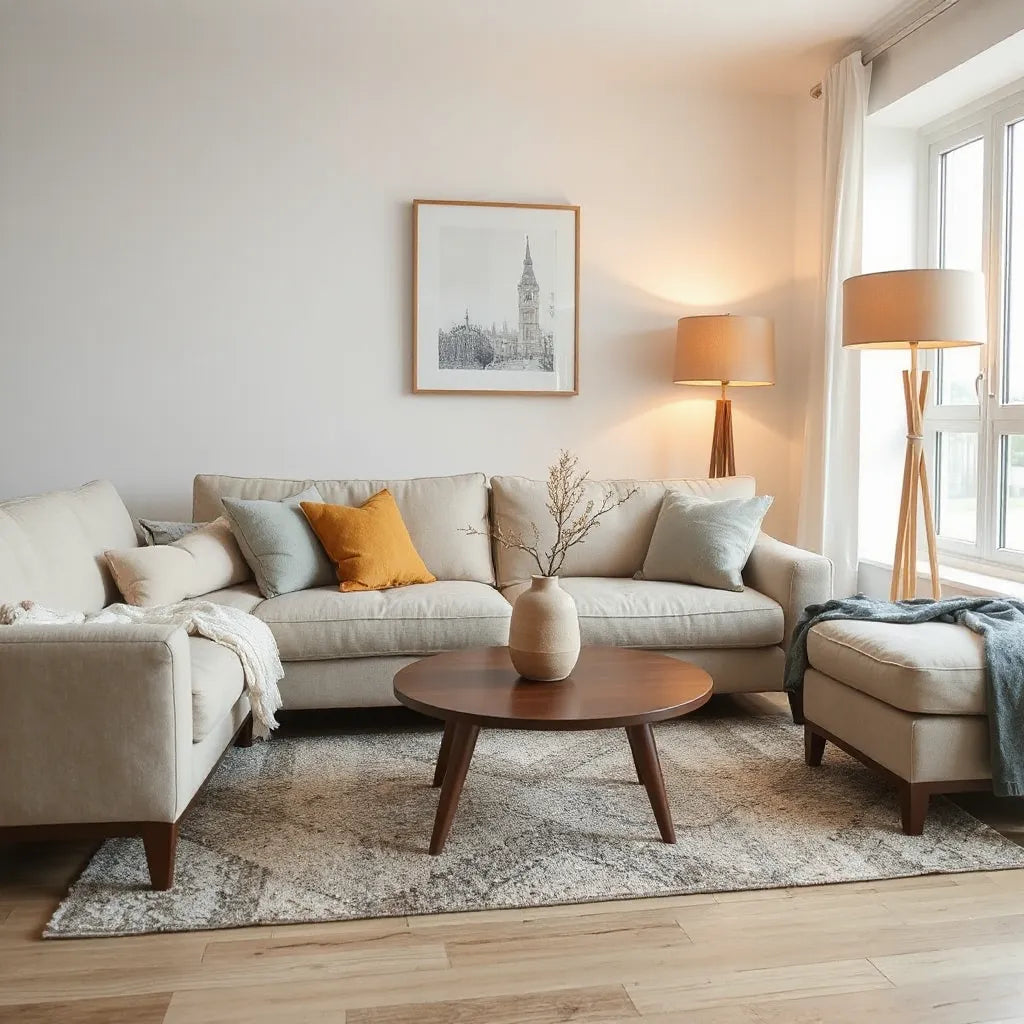
Balanced layout with color harmony and layered textures
Key Benefits of Stylish Home Decor
Improved visual clarity: a coherent palette and consistent styling reduce clutter and distraction.
Better usability: functional furniture placement supports daily routines.
Longer-lasting appeal: designs based on proportion and material quality remain attractive.
Higher comfort: proper lighting, supportive seating, and layered fabrics improve the feel of a room.
Easier decision-making: once you set a style framework, future purchases become simpler and more consistent.
How to Build a Cohesive Style
Coherence is what separates a room that looks “put together” from one that simply looks busy. Start with a framework that defines your choices. This approach also helps you avoid random decor that competes for attention.
1) Choose a palette that supports everyday life
Select two main tones and one supporting accent color. Main tones create the foundation, while the accent color adds contrast and emphasis. Neutral bases such as warm beige, soft gray, or deep wood tones are versatile. If you prefer a more expressive look, use your accent color in small, repeatable ways: cushions, art, or a single decorative object.
2) Use texture to create depth
Texture is one of the most reliable ways to make stylish home decor feel rich without relying on high contrast. Combine smooth surfaces with woven or matte finishes. For example, mix upholstered seating with a structured coffee table or pair a glossy accent with a textured rug. When materials vary, the room looks layered and lived-in.
3) Prioritize proportion and spacing
Even beautiful decor can look unbalanced if items are too large or too small for the space. Measure key areas such as the distance between seating, the wall space for art, and the clearance around walkways. A simple spacing rule is to allow breathing room around larger items, especially where pathways matter.
4) Repeat key design cues
Repetition makes a room feel intentional. Repeat one or two cues, such as a metal tone, a wood finish, or a shape. Rounded edges can be echoed in lampshades or decor objects. Straight lines can be balanced with rectangular frames and clean shelving.
Step-by-Step Guide to Stylish Home Decor
Step 1: Define the room’s role and mood
Write down the purpose of the room. Is it for focused work, casual gatherings, or quiet relaxation? Then decide the mood you want to support: calm, energetic, warm, or bright. This step prevents style drift later.
Step 2: Start with anchor pieces
Anchor pieces include the sofa, dining table, primary seating, and major storage. These items establish scale and material direction. Choose anchor pieces you can live with for years. If you update frequently, update accents instead of the foundation.
If you are styling a dining or lounge area, consider seating that balances comfort and visual structure. A chair with a refined profile helps define the space and supports a clean, modern look.
Step 3: Add a lighting plan
Lighting is where style becomes practical. Use layered lighting: ambient light for overall brightness, task light for activities, and accent light for features such as artwork or shelving. Warm, evenly distributed light typically makes interiors feel inviting. Avoid harsh, single-source lighting that creates shadows.
Step 4: Choose textiles strategically
Textiles unify the room. Select a rug that anchors the seating area and connect it to your palette through color or pattern. Then add curtains or throws that introduce texture. When the textile tones align, the room looks curated rather than assembled.
Step 5: Select wall and tabletop accents with restraint
Wall decor and tabletop styling should reinforce your design cues. Use art to create focal points, and allow negative space around frames. On surfaces, group items in odd numbers or keep them minimal for a clean look. Avoid overcrowding because it reduces the impact of each piece.
Step 6: Arrange for flow, then refine
Arrange items to support movement first. Place seating so people can converse without blocking access to doors or pathways. After the layout works, refine styling by checking from multiple angles. A room typically looks best when the view lines feel intentional from entrances, not only from one spot.
Step 7: Integrate a stylish home decor focal point
Pick one focal point that reflects your chosen style. It could be a statement chair, a large piece of wall art, a cabinet with a clear silhouette, or a textured rug. A focal point provides direction and makes the rest of your decor feel cohesive.
To illustrate how a single anchor can elevate a space, consider:
Toshiro Chair
View Toshiro Chair
This type of seating can help define a modern dining or accent area by combining visual structure with a comfortable profile. When paired with complementary lighting and a consistent palette, the overall look becomes more polished.

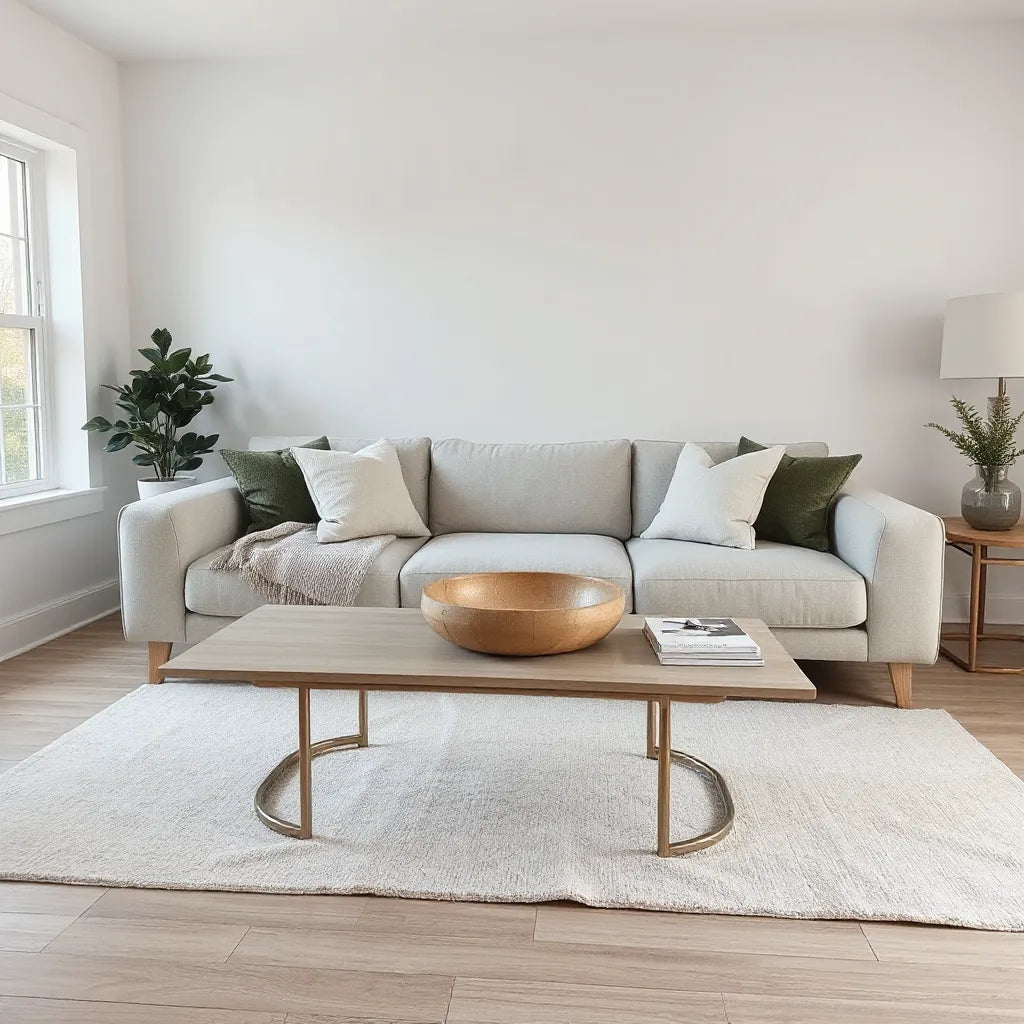
Layered lighting plan with focal point placement
Step 8: Maintain a consistent update cycle
Stylish interiors improve with time. Instead of replacing everything, adopt a seasonal rhythm: refresh small textiles, rotate artwork, or adjust accent colors. This strategy keeps your home decor current while maintaining the same design framework.
If you want to extend a cohesive style into an adjacent area, align the repeating cues. For example, if you are using warm wood tones in the dining area, carry a similar tone into a cabinet or accent furniture in the living room. This continuity makes your entire home feel more intentional.
For additional inspiration and matching pieces, you may explore related options on Toshiro Chair and consider how the overall profile supports your room layout. If you prefer a different silhouette for your dining setup, browsing coffee table styling can also help you balance height and texture.
FAQ About Stylish Home Decor
How do I make my home decor look expensive without overspending?
Focus on consistency: limit your palette to a few repeating tones, prioritize texture, and use well-proportioned anchor pieces. Layer lighting, select a rug that ties the seating together, and avoid placing too many small items on surfaces. Thoughtful spacing often creates a more premium effect than adding more decor.
What is the fastest way to improve a room’s style?
Update lighting and textiles first. Replace harsh or uneven lighting with a layered plan, then add a rug or curtains that match your chosen palette. Once the room feels visually balanced, refine with a focal accent such as art or a statement seating piece.
How many decor items should be on a tabletop or shelf?
Use fewer items than you think you need. Keep space around the items and choose objects that match your design cues, such as color, material, or shape. Grouping items in a small number of coordinated clusters usually looks cleaner than scattering many unrelated objects.
Can stylish home decor work in small spaces?
Yes. Use furniture that supports clear circulation and choose decor that does not visually overwhelm. Select vertical wall elements or lighting that lifts the look upward. When you keep the palette consistent and rely on texture, even compact rooms can feel refined and comfortable.
Summary & Final Thoughts
Stylish home decor is achieved through intention: a coherent palette, balanced proportions, layered textures, and lighting that supports how you live. When you focus on anchor pieces and refine accents with restraint, your home develops a consistent, polished character that lasts. If you are ready to elevate your space, start with one room, choose a clear design direction, and build from there. Explore curated options at Nisu Home to help you match style with comfort.
About the Author
Nisu Home is a design-focused brand specializing in practical, modern interiors that emphasize clean silhouettes, durable materials, and cohesive styling. The team’s expertise centers on how furniture, lighting, and textiles work together to create visually balanced rooms. For readers seeking a reliable approach to styling, their guidance supports confident decisions. Thank you for reading, and may your next design update feel both intentional and rewarding.

Leave a comment
This site is protected by hCaptcha and the hCaptcha Privacy Policy and Terms of Service apply.