

Updated on: 2026-06-29
Natural elegance lighting is about designing illumination that feels effortless, balanced, and visually calm. It blends warm color temperatures, thoughtful placement, and glare control to support how people actually move through space. When done correctly, it enhances textures, softens harsh edges, and makes everyday activities feel more comfortable. This guide covers mistakes to avoid, practical setup steps, and a clear pros and cons view so you can choose lighting with confidence.
Common Mistakes to Avoid
Pros & Cons Analysis
Quick Tips
Wrap-Up & Key Insights
Q&A Section
About the Author
Common Mistakes to Avoid
Natural elegance lighting aims for calm, human-centered illumination. Many lighting plans fail because they focus on brightness alone instead of visual comfort and directional balance.
Using overly cool color temperatures. Blue-leaning light can make skin tones look less natural and can emphasize glare, especially on glossy surfaces.
Placing fixtures without considering sight lines. Light that points directly into the eyes creates discomfort and reduces the sense of refinement.
Overreliance on a single overhead source. One dominant light often flattens depth, leaving corners dim and making the room look less intentional.
Ignoring layering. Without ambient, task, and accent lighting, the space can feel either too flat or too busy.
Choosing high-glare finishes. Bare bulbs, reflective shades, and harsh lenses can create bright hotspots that undermine the desired soft look.
Underestimating surface reflectance. Walls, floors, and ceilings affect how light spreads. Dark interiors usually need more careful placement or additional low-level sources.
Using dimming incorrectly. Dimmers that do not match the bulb type can lead to flicker or reduced range, both of which harm comfort.

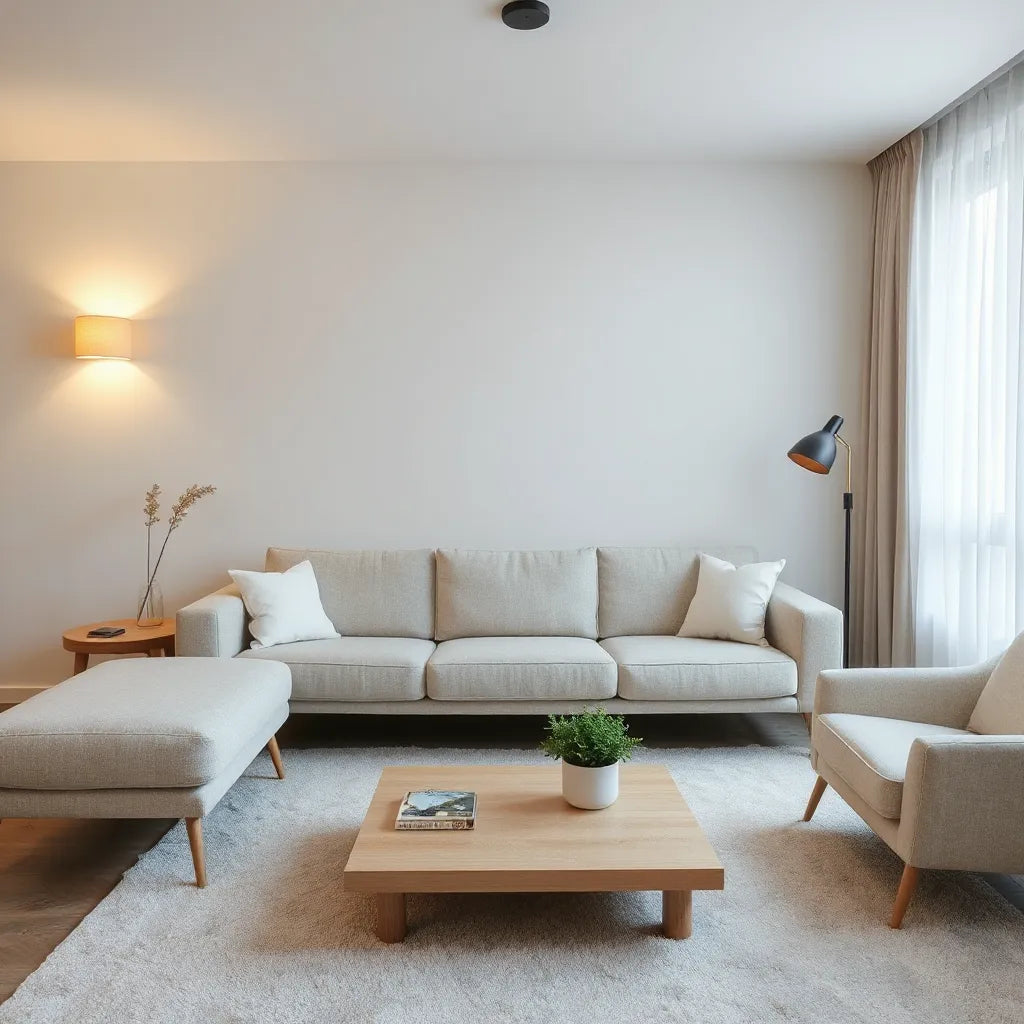
Layered glow from ceiling, shelves, and floor
To build a genuinely elegant effect, treat lighting as a composition. Think in layers, then refine with placement, beam angles, and glare control. That process produces illumination that feels natural rather than staged.
Pros & Cons Analysis
Natural elegance lighting has clear strengths for both comfort and aesthetics. It also requires some planning to avoid common pitfalls.
Key advantages
Improved comfort. Soft, well-distributed light reduces eye strain and supports longer, calmer viewing.
More natural-looking spaces. Warm tones and balanced illumination help textures appear accurate and inviting.
Better depth and dimension. Layering creates separation between foreground and background surfaces.
Flexible atmosphere. With proper dimming and zoning, you can shift from bright task lighting to relaxed evening ambience.
Higher perceived quality. When glare is controlled and light is purposeful, rooms often feel more premium.
Practical trade-offs
Planning time increases. You typically need to map where people look and where tasks occur.
More fixture types may be required. A layered approach can involve ambient fixtures plus task and accent sources.
Color consistency matters. Using mixed bulb types can produce a patchwork effect, especially near transitions between rooms.
Installation constraints. Beam angles, ceiling height, and switch locations may limit ideal placement without upgrades.
Budget can shift. Quality glare control and dimming performance may cost more upfront.
How to decide
If your goal is a calm, refined interior that supports daily life, this style is a strong match. If you need instant brightness for a single purpose, a simpler arrangement may be sufficient. However, even task-first rooms benefit from ambient layers that prevent harsh contrast.
Quick Tips
Use the following steps as a practical checklist. Each one is designed to help you achieve a natural, elegant effect without overcomplicating your plan.
1) Start with color temperature
Choose warmer tones for living areas and bedrooms, then maintain consistency across fixtures. Warm light generally creates a comfortable mood and helps surfaces look more true to color.
2) Balance brightness with distribution
Avoid chasing the highest lumen number. Instead, aim for even coverage. Use multiple low-to-medium outputs to reduce harsh shadows and hotspots.
3) Add task lighting where you work
Desks, reading nooks, and kitchen zones require focused light. Keep task fixtures controlled so they do not create glare toward eye level.
4) Use accent lighting to shape the room
Accent illumination can highlight artwork, shelves, or architectural features. Keep accents subtle. The goal is to guide attention, not to overwhelm the scene.
5) Control glare with proper angles
Direct light should generally land on surfaces rather than directly into the eyes. If your room has reflective materials, prioritize diffused shades and careful aiming.
6) Plan layering with zoning
Even if you use a limited number of fixtures, separate them on different switches. This enables quick mood shifts and supports practical routines.
7) Ensure dimming performance
When dimming is available, confirm compatibility between bulbs and dimmer switches. Smooth dimming helps maintain a consistent look throughout the day.

Warm light pooling on walls and reading corners
8) Reference real products, then refine
A lighting concept becomes easier when you anchor it with a real example. For a soft, warm glow and a more natural feel, consider a fixture designed for gentle ambient illumination. For instance, you can explore Luna Light as a reference point for mood-first lighting design.

Luna Light — View product
9) Match lighting to room function
In kitchens, prioritize reliable task light and reduce glare around countertops. In bedrooms, focus on softer sources near reading and relaxation areas. In hallways, aim for steady, shadow-minimizing coverage.
10) Keep harmony across adjacent spaces
Natural elegance lighting depends on continuity. When moving between rooms, abrupt shifts in brightness or color can feel jarring. Maintain similar warmth and gradually adjust intensity for a smoother transition.
As you refine your scheme, remember that lighting design is not only about fixtures. It is also about how your space reflects light. Simple choices such as matte wall finishes and controlled highlights can improve the overall elegance.
If you are also curating decorative objects, you may find value in exploring complementary artistic details. For example, visit Kaladhar Resin Art for inspiration on visual textures and warm aesthetics that pair well with softer illumination.
Wrap-Up & Key Insights
Natural elegance lighting creates a calm, visually comfortable environment through warm tones, layered illumination, and careful glare control. The strongest results come from planning distribution rather than simply increasing brightness. When you build ambient comfort, add focused task support, and use subtle accents, the room begins to feel cohesive and naturally styled. Choose fixtures and bulb types that maintain consistency across the home, then tune the experience with dimming and zoning.
If you want to apply these ideas quickly, start by auditing your current lighting: identify hotspots, dark corners, and places where your eyes feel strained. Then adjust with warmer color temperatures, additional low-level sources, and better aiming. This approach will help you reach the intended effect with clarity and confidence.
Q&A Section
What does natural elegance lighting actually mean?
It refers to an illumination approach that prioritizes comfort and visual harmony. The focus is on warm, balanced light distribution, layered sources, and glare control so the room feels effortless rather than overly bright or harsh.
Which color temperature should I choose for a warm, elegant look?
In most living spaces, warmer color temperatures create a more natural mood. The best choice depends on your wall colors and fixture finishes, but the guiding principle is consistency and comfort rather than purely chasing brightness.
How can I reduce glare without losing visibility?
Use diffused shades, avoid direct aiming into eye level, and combine softer ambient sources with focused task lighting. Proper zoning and dimming also help because you can reduce brightness where glare becomes an issue while keeping key work areas adequately lit.
Do I need many fixtures to achieve the effect?
Not necessarily. You can achieve a refined look with fewer fixtures if you use smart placement and layering. The essential requirement is that the lighting is distributed and shaped, not concentrated in one harsh source.
About the Author
Nisu Home is a home design and interior comfort team with expertise in lighting planning, styling, and room-based guidance. We help customers create welcoming spaces through thoughtful illumination strategies that balance function and atmosphere. Thank you for reading, and we hope you feel confident designing a calmer, more elegant home lighting experience.
Disclaimer: This article provides general lighting guidance and design considerations. Always follow manufacturer instructions and local electrical safety requirements when installing or modifying lighting systems.

Leave a comment
This site is protected by hCaptcha and the hCaptcha Privacy Policy and Terms of Service apply.