

Updated on: 2026-07-14
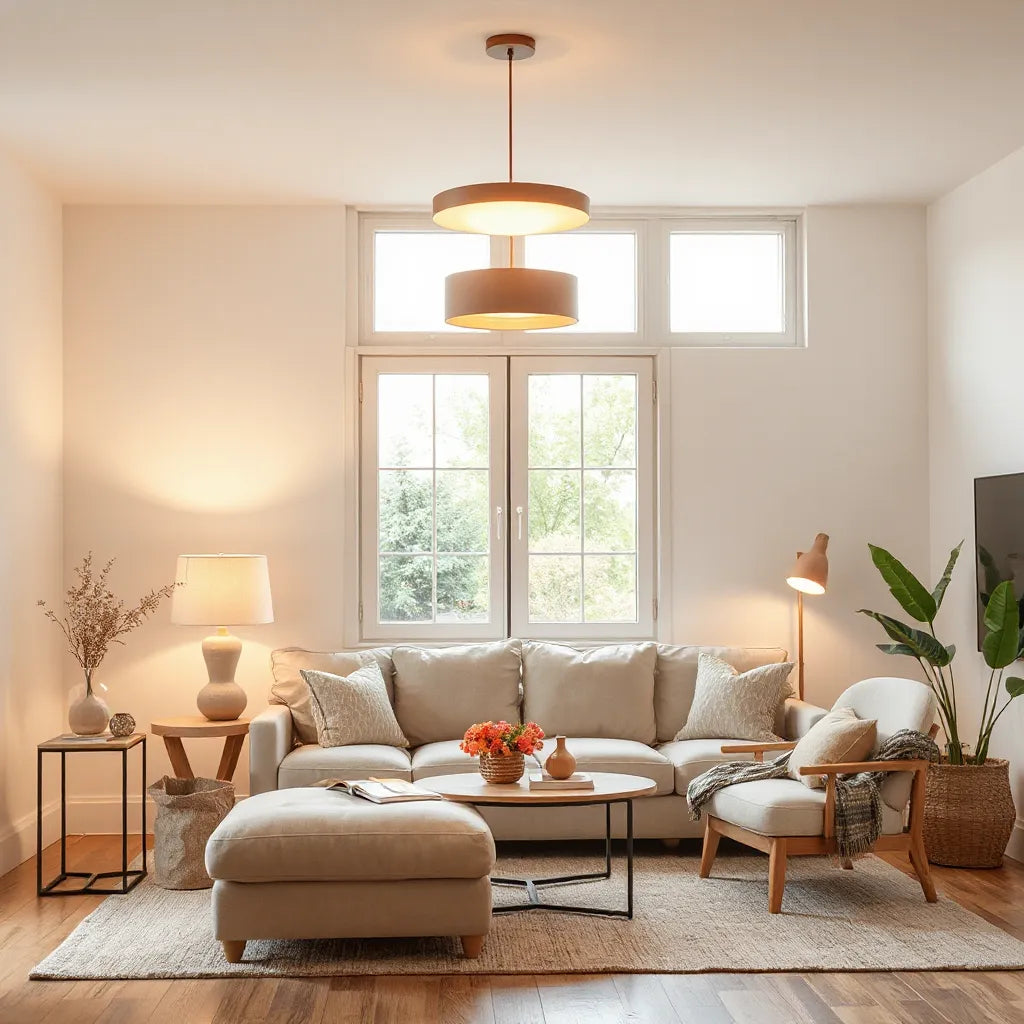
Lighting is one of the most effective ways to improve how a space feels and how it functions. When you combine correct light levels, thoughtful placement, and appropriate color temperature, rooms become more comfortable and more usable. A well-planned lighting approach also supports design goals such as depth, balance, and focus. This guide explains practical choices, common mistakes, and a simple method you can use for any home layout.
What Lighting Does for Comfort and Style | Pros & Cons of Lighting Upgrades | Step-by-Step Practical Guide | Wrap-Up | Q&A Section
What Lighting Does for Comfort and Style
Lighting affects mood, clarity, and day-to-day usability more than most homeowners expect. Even when paint, flooring, and furniture are selected with care, poor lighting can make a room look flat or feel uncomfortable. In contrast, lighting that matches the task and the architecture of a space creates a sense of order and visual calm.
From a practical standpoint, lighting influences how easily you can read, prepare food, work on a laptop, or move safely at night. From a design standpoint, lighting shapes perception. It can highlight texture, draw attention to artwork, soften harsh corners, and add depth through layered illumination. When lighting is treated as a design system, not a last-minute accessory, the result is typically a more cohesive interior.
To plan lighting effectively, it helps to understand three common layers: ambient light, task light, and accent light. Ambient light provides general illumination. Task light targets activities such as cooking, reading, or grooming. Accent light adds emphasis and personality, such as highlighting a wall feature or creating a focal point.
Pros & Cons of Lighting Upgrades
Upgrading Lighting can deliver meaningful benefits, but it also requires planning. Consider both sides before you invest.
- Better comfort: Correct brightness and glare control reduce eye strain and improve visual ease.
- Improved functionality: Task lighting clarifies work areas and reduces shadows where they matter most.
- Stronger design impact: Layered light creates depth, highlights surfaces, and supports your layout goals.
- Flexible ambiance: Adjustable lighting supports different activities throughout the day.
- Possible cost increases: Quality fixtures, proper controls, and professional guidance may raise initial spending.
- Risk of imbalance: Incorrect color temperature, uneven placement, or oversaturation can make rooms feel inconsistent.
- Complexity in retrofits: Existing wiring, ceiling height, and switch locations can limit options.
These trade-offs are manageable when you follow a structured approach. Start with your needs, then align the layers of light to the spaces where you spend time.
Step-by-Step Practical Guide
1) Define the purpose of each room
Begin with a clear description of how the room is used. A dining area may need brighter, more even illumination during meals. A living room often benefits from softer ambient light and controlled accent lighting for evenings. Bedrooms typically require calming, glare-reduced lighting that supports winding down.
Write a short list of tasks for each room. For example: reading, casual conversation, working, or entertaining. This step prevents over-lighting and helps you choose the right balance of ambient and task light.
2) Choose brightness that fits the space
Brightness should match both room size and activity. Instead of relying on a single overhead source, use multiple fixtures. Multiple sources usually distribute light more evenly and reduce harsh shadows.
Practical guidance: target brighter illumination where fine detail matters and softer light where relaxation is the goal. If you notice dark corners, under-cabinet areas, or glare on reflective surfaces, adjust placement before increasing wattage. Often, better positioning solves more than higher brightness.
3) Select the correct color temperature
Color temperature affects perceived warmth and clarity. In general, warmer lighting supports a relaxed mood, while cooler tones increase perceived crispness for work and visibility. Keep color temperature consistent across connected spaces to avoid visible shifts when you move between rooms.
If you are aiming for a natural look, choose a cohesive range rather than mixing very warm and very cool bulbs in the same visual zone. Consistency improves cohesion and makes the design feel intentional.
4) Use layered lighting for depth
Layered lighting is the most reliable way to create a comfortable interior. Combine ambient sources with task lighting at key activity zones. Then add accent light to create visual interest.
Consider how light interacts with surfaces such as wood grain, fabric textures, and matte walls. Textured materials typically look more dimensional under well-directed light. Smooth surfaces may reflect glare if the angles are not controlled.

Three light layers shown by simple light cones
5) Plan fixture placement and height
Placement determines how shadows form and how light travels through a room. For ceiling fixtures, ensure the light distribution covers the main activity area. For wall-mounted lights, align them with the focal height of the room, such as artwork placement or seating back height.
For task areas, position lighting to reduce shadows from your natural working posture. For reading, for example, the light should reach the page without shining directly into the eyes. In kitchen zones, direct lighting under cabinets improves clarity and makes prep safer.
If you have high ceilings, consider fixtures that can deliver light downward effectively, or add secondary sources to balance the vertical space. Low ceilings often benefit from diffusion and careful beam control.
6) Control glare and reflections
Glare can undermine otherwise good lighting. It may show up as reflections on glossy surfaces, discomfort from bright hotspots, or light that enters the line of sight. Use shielding, diffusers, and appropriate beam angles to soften intensity.
In rooms with mirrors or shiny finishes, consider where reflections land. A small change in fixture angle can transform a glare-prone area into one that feels calm. If you use accent lighting, aim it to highlight surfaces rather than produce direct, high-contrast beams into seating positions.
7) Add dimming and smart control thoughtfully
Dimming supports comfort across different times and activities. It also helps you preserve the intended mood, because brighter is not always better. When dimming is available, you can maintain visibility for tasks and shift to a softer ambiance when you relax.
Smart controls can also streamline scenes, but prioritize reliability and ease of use. Choose controls that integrate well with your existing switch layout. In multi-room setups, consistent scene naming and simple operation reduce daily friction.
If you are planning renovations, coordinate controls early. It is easier to plan wiring and switch positions before finishes are installed. If you are updating an existing home, you can still improve lighting through fixture replacement and targeted additions.
8) Match lighting to interior features and layout
Lighting should respect your design structure. If your seating arrangement creates a conversational zone, ensure ambient light supports faces without heavy shadows. If you have a reading corner, align the task source with the seating orientation. If your room includes built-ins or a feature wall, accent lighting can help define the architecture.
When you upgrade furnishings, consider how Lighting interacts with them. A dark surface may absorb light, while light-colored elements may reflect it. You can offset these effects using a combination of brightness, beam angles, and layered sources.
If you are selecting new furniture pieces, you can also coordinate scale and placement to support lighting goals. For example, if you are updating dining seating, pairing well-sized seating with adequate overhead coverage can improve comfort. Consider relevant product options from izumi chair to help align seat height and visual balance with the lighting plan.

Accent light highlighting wall texture with soft gradients
9) Create a practical lighting checklist
Before you purchase fixtures, run a short assessment for each room:
- Activity map: Where do you read, cook, work, or relax?
- Light layers: Which areas need ambient, task, and accent light?
- Coverage: Are there shadows where you need clarity?
- Color temperature: Is it consistent across connected spaces?
- Glare control: Do bright sources create hotspots in sightlines?
- Controls: Can you dim the lights for comfort?
- Design alignment: Does lighting emphasize key features without over-brightening everything?
This checklist reduces the likelihood of buying fixtures that look correct in a showroom but underperform in your home environment.
Wrap-Up
Lighting is a design and comfort system. The best results come from layered illumination that matches real activities, supports visual clarity, and creates the mood you want. By defining room purposes, selecting appropriate brightness and color temperature, and planning fixture placement with glare control, you can improve every space without relying on guesswork.
Actionable advice: start with one room, test your lighting goals, and then expand the approach room by room. If you want to coordinate seating and spatial balance, review related options from honin coffee table and ensure your lighting angles support the surfaces and sightlines in that zone.
For a dining or gathering area, you may also benefit from matching lighting with seating scale. Explore bar stool options where appropriate, then confirm that your lighting coverage reaches conversation level and work surfaces evenly.
Q&A Section
How do I know whether I need more ambient light or task light?
If the room feels generally dim, yet only one small area lacks visibility, you likely need task lighting. If shadows make multiple activities uncomfortable, ambient light coverage is probably insufficient. A quick diagnostic is to observe whether problems are isolated to a specific surface (task) or spread across the whole room (ambient).
Should I mix warm and cool color temperatures in the same home?
Mixing can work in limited situations, but it often creates visible transitions between spaces. For most interiors, maintain a cohesive color temperature across connected rooms. If you choose different temperatures, apply them intentionally to separate zones rather than mixing within the same line of sight.
What is the most common mistake people make when upgrading lighting?
A common mistake is relying on a single ceiling source. Single-source lighting often creates shadows, hotspots, and glare that make tasks harder. Layered lighting generally produces a more stable, comfortable result by distributing light across the room and supporting specific activities.
How can I reduce glare without sacrificing brightness?
Reduce glare by changing beam direction, using diffusers or shields, and avoiding fixtures that produce direct light at eye level. Consider repositioning rather than increasing brightness. You can also improve glare behavior by selecting finishes that reflect light softly instead of creating harsh reflections.
Is dimming necessary if I already have good lighting fixtures?
Dimming is useful because comfort needs change across activities and time of day. Even well-designed lighting can feel harsh when it is always at full output. Dimming gives you control to maintain visibility for tasks and create a calmer ambiance for relaxation.
How can I plan Lighting for rooms with artwork or feature walls?
Use accent lighting to guide attention to the feature, and aim it so the brightest part of the beam lands on the surface you want to highlight. Keep the intensity controlled so the rest of the room remains supportive rather than competing. When possible, confirm viewing angles from seating and walking paths.
About the Author
Nisu Home
Nisu Home is a home design and retail content partner with expertise in interior styling, practical layout planning, and lighting-focused guidance for everyday spaces. The team emphasizes clear decision-making, durable comfort, and design consistency. This article reflects those principles to help you build an effective lighting system. Thank you for reading and for choosing thoughtful improvements for your home.

Leave a comment
This site is protected by hCaptcha and the hCaptcha Privacy Policy and Terms of Service apply.