

Updated on: 2026-05-19
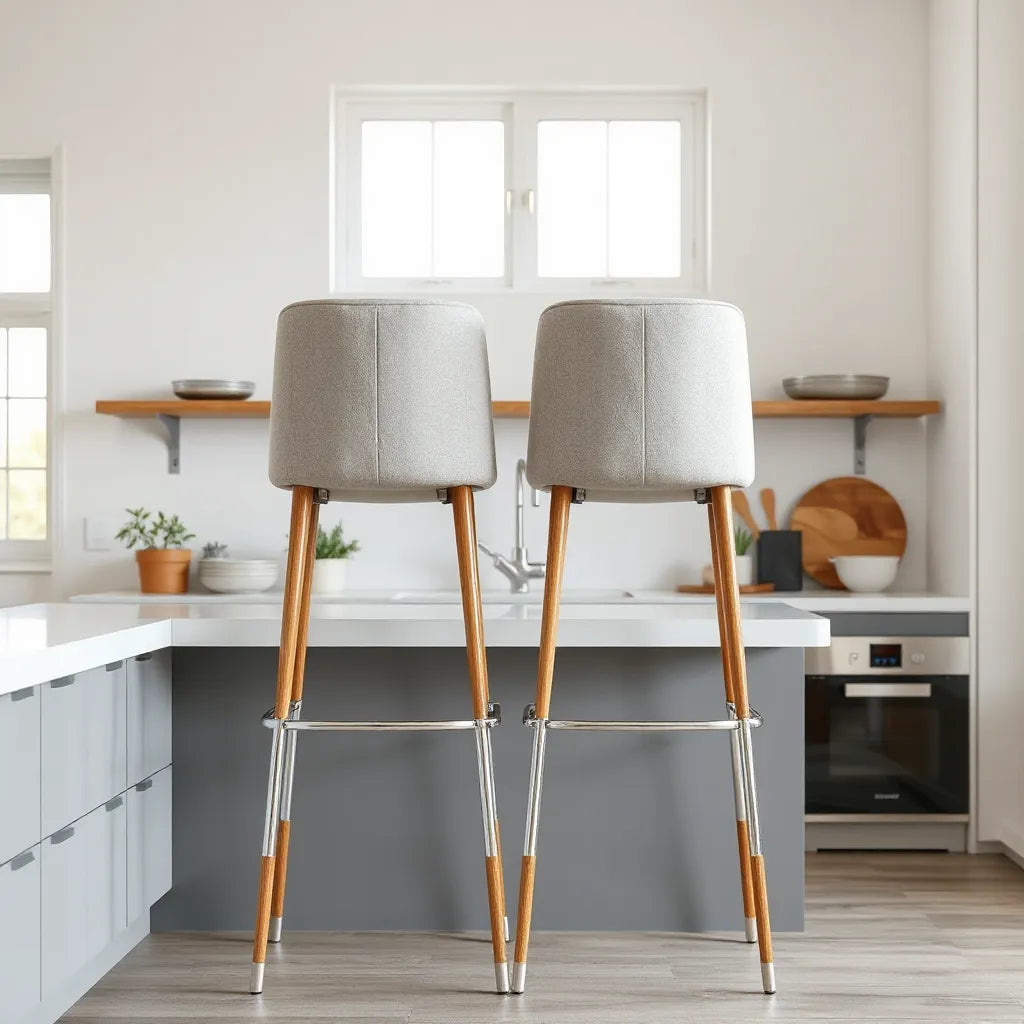
Elegant bar stools can transform an everyday counter into a refined, comfortable seating area. They improve how your space looks by adding shape, finish, and visual rhythm. The right height and support help you sit comfortably for meals, conversations, and work-from-home tasks. With careful material and style choices, you can achieve a cohesive interior that feels deliberate and lasting.
1. Buyer’s Checklist
2. Step-by-Step Guide
3. FAQ
4. Closing Thoughts & CTA
Buyer’s Checklist
Choosing elegant bar stools requires more than selecting a pleasing silhouette. Use this checklist to compare options with confidence and to avoid common sizing and fit issues.
- Correct stool height: Measure your counter or bar height, then select a seat height that supports comfortable leg positioning.
- Comfort-first construction: Prioritize a stable frame and a seat designed for everyday use, especially if multiple family members will sit often.
- Footrest and leg clearance: Confirm that your legs can rest naturally and that the stool does not feel cramped around the counter edge.
- Style alignment: Match the stool’s finish, shape, and upholstery with your existing dining or kitchen design language.
- Durable materials: Choose finishes that resist daily wear. For upholstery, confirm the fabric or coating is suitable for routine cleaning.
- Spill and stain readiness: If you expect frequent use, select surfaces that can be maintained with simple, non-damaging cleaning methods.
- Space planning: Ensure each stool has enough distance from walls and appliances for smooth seating and easy movement.
- Quantity and placement: Decide whether you need a full lineup or a few accent seats, then maintain consistent spacing for a balanced look.
Step-by-Step Guide
Follow these steps to select elegant bar stools that fit your space, match your design goals, and provide reliable daily comfort.
- Measure the key heights: Measure the counter or bar top height. Then confirm your target seating height range so users can sit without shoulder strain or excessive leg stretch.
- Plan for clearance: Check the space beneath the counter and the area behind each stool. Leave enough room for feet, knees, and smooth entry.
- Choose the visual direction: Decide whether your interior should feel modern, transitional, or classic. Select seat shapes and back styles that support that direction.
- Select a material strategy: For a warm and inviting look, consider wood-forward tones. For a crisp, contemporary feel, consider finishes that emphasize clean lines and refined edges.
- Evaluate comfort details: Look for supportive seating geometry and consider whether you prefer a backrest, a curved seat, or a softly contoured profile.
- Match finishes with nearby elements: Coordinate with cabinets, hardware, flooring undertones, and lighting. Even subtle alignment, such as matching undertones, can make the whole area look intentional.
- Test with a placement draft: Use tape on the floor to outline stool footprints. Walk around the taped positions to verify that seating and movement feel natural.
- Finalize your set: Keep spacing consistent. If you are mixing seating types, ensure the design language stays cohesive through finish and proportions.

Measured floor layout for comfortable bar seating spacing
When you apply this method, the selection process becomes practical rather than vague. You can also refine your choices quickly by focusing on the few factors that influence both comfort and style: height, support, and finish compatibility.
How to Style Elegant Bar Stools Without Overcrowding
Even the most elegant bar stools can look cluttered if the surrounding area lacks balance. Styling should enhance the room rather than compete with it. Start by matching the stool scale to the counter size and by keeping the visual rhythm consistent across the set.
Use these design principles to create a calm, polished bar area:
- Keep spacing consistent: Stools should align in a simple pattern. Uneven spacing can interrupt visual flow.
- Use a repeat-and-contrast approach: Repeat one design element across all stools, such as the same finish tone, while allowing a controlled contrast in upholstery color.
- Consider lighting effects: The way light hits seat surfaces changes the perceived color. Test how your chosen finish looks in morning and evening lighting.
- Coordinate with nearby textures: If your space has matte cabinets, consider stools with finishes that share a similar sheen level. This reduces visual friction.
- Do not over-accessorize the counter edge: The stools should remain the focal seating feature, while the counter accessories stay functional and limited.
Materials and Finishes That Look Refined Over Time
The longevity of elegant bar stools depends on material selection and surface protection. A refined look should remain attractive after months of daily use, not only during the first week.
Consider the following material and finish priorities:
Wood and wood-look finishes
Wood-forward tones often create warmth and a structured, inviting atmosphere. When paired with a well-fitted seat, they can elevate the room without appearing overly formal. To maintain the finish, follow a gentle cleaning routine and avoid harsh abrasives.
Upholstered seats and comfort layers
Upholstered seating can make a bar area feel more welcoming, especially for longer conversations. Choose fabrics that align with your cleaning habits and that can handle routine exposure to everyday messes.
Metal accents and structured frames
Frames with metal accents offer a crisp silhouette and can complement both modern and transitional interiors. Look for stable joinery and a finish that resists scuffs during normal use.
If you want an efficient way to browse curated options, review a few related pieces on the Nisu Home store to see how different chair silhouettes and finishes coordinate with bar seating. For example, explore bar stool styles and compare seat shapes, then broaden your look with complementary chairs such as Izumi chair for consistency across the room.

Interior mood board showing coordinated finishes and textures
Common Sizing Mistakes and How to Avoid Them
Many shoppers buy elegant bar stools that look correct in photos but feel uncomfortable in real use. Avoid these issues by verifying measurements and user fit.
- Ignoring seat-to-counter height: If the seat is too low, knees can feel cramped. If it is too high, users may feel unstable or forced to raise shoulders.
- Forgetting about the footrest position: A footrest supports relaxed posture. If the stool design lacks a practical rest point, comfort declines over time.
- Choosing a seat depth that feels too short or too long: Seat depth changes the way the body balances at the counter. Prefer an option that allows users to sit naturally without pressure at the back of the legs.
- Underestimating the need for space behind the stool: Even when stools fit under the counter, people still need room to enter and exit. Confirm clearance with a simple floor draft.
- Over-matching everything: Perfect matches can look flat. Aim for tonal alignment with selective contrasts, not identical everything.
Recommended Placement Ideas for a Polished Bar Area
The best bar seating plan supports both movement and comfort. Consider these layouts based on the size and shape of your counter.
Linear arrangement along a long counter
A straight run of stools provides a clean look. Keep spacing consistent and ensure the first and last stools are placed to allow comfortable entry from the walkway.
Staggered placement for corners
For corners, align one stool position to reduce crowding at the corner edge. A staggered plan can preserve leg clearance while maintaining a refined visual rhythm.
Accent seating near a kitchen work zone
If the bar area also functions as a workspace, select stools that support quick sitting and easy posture shifts. The goal is stable seating without visual clutter.
To keep your overall dining and kitchen styling aligned, it can help to coordinate bar seating with nearby pieces. For example, Emi bar stool can be used as a baseline, then you can harmonize the look with seating options like Toshiro chair to maintain design continuity.
Maintenance Practices That Preserve an Elegant Look
Even well-made furniture benefits from consistent care. A simple routine can protect the appearance of elegant bar stools and reduce long-term wear.
- Use soft cleaning tools: Microfiber cloths and gentle cleaners help prevent surface damage.
- Wipe spills promptly: Daily cleaning prevents stains from settling into upholstery or finishes.
- Avoid aggressive chemicals: Harsh products can dull finishes and shorten material life.
- Inspect stability regularly: Check for loose hardware or wobble and address it early.
- Protect from prolonged direct heat: Keep seating away from extreme heat sources to reduce finish stress.
FAQ
What height should elegant bar stools be for a standard kitchen counter?
Counter height varies by installation, so the most reliable approach is measuring your counter top height and then choosing a stool seat height that supports a relaxed knee angle. As a general guideline, aim for comfortable leg positioning with feet resting naturally, not hanging or pressing too tightly against the counter edge.
Do upholstered elegant bar stools require more maintenance than wood or metal options?
Upholstered stools typically require more frequent cleaning to keep fabric looking fresh, especially if the space sees daily spills. However, maintenance can remain straightforward when you choose materials suited to routine care and you clean promptly after messes.
How many bar stools should I place around my counter?
Start with how many seats your space can support comfortably without limiting movement. Then plan spacing so each person can sit, lean slightly, and exit without bumping adjacent stools. In many homes, three stools work well for shorter sections, while longer counters can support four or more with consistent spacing.
Can I mix bar stools with dining chairs in the same room?
Yes, mixing can look intentional when you match a few core elements, such as finish undertones or overall silhouette proportions. Maintain cohesion by repeating one visual trait across the seating set, such as frame tone or seat shape.
Closing Thoughts & CTA
Elegant bar stools elevate a home by combining comfort, scale, and cohesive style. When you select the correct height, verify clearance, and align finishes with your interior, you create a bar area that looks refined and feels practical. If you are ready to make a confident choice, browse the Nisu Home collection and compare options based on your measurements and preferred design direction.
About the Author Section
Nisu Home is a home-focused brand specializing in thoughtfully designed seating and complementary furnishings. The team’s expertise centers on balancing comfort, proportion, and interior style consistency across everyday living spaces. From bar seating to dining coordination, the focus remains on practical elegance and long-term visual appeal. Thank you for reading, and enjoy selecting furniture that fits your space with purpose.

Leave a comment
This site is protected by hCaptcha and the hCaptcha Privacy Policy and Terms of Service apply.