

Updated on: 2026-11-18
Modern coffee tables do more than hold drinks. They shape how a living room feels by balancing function, scale, and style.
A well-chosen table improves everyday flow, supports storage, and elevates the visual rhythm of your space.
This guide explains what to look for, how to measure correctly, and how to match materials and finishes with your interior.
Use the steps below to select a design that feels current now and remains useful for years.
1. What Modern Coffee Tables Do for Your Space
2. Key Benefits of Modern Coffee Tables
3. How to Choose Modern Coffee Tables
4. Step-by-Step Guide to Buying a Modern Coffee Table
5. Materials, Shapes, and Styles That Stay Relevant
6. Layout and Proportions for a Balanced Living Room
7. FAQ Section
8. Summary & Final Thoughts
9. About the Author
What Modern Coffee Tables Do for Your Space
Modern coffee tables combine contemporary design with practical daily use. They anchor a seating area, define sight lines, and help you organize surface-level items such as books, trays, and everyday essentials. Because they sit at the center of the room, they have an outsized influence on mood and functionality.
When the table matches your room’s proportions, it supports natural movement around the sofa and chairs. When it complements your finishes, it also prevents the living area from feeling visually fragmented. Modern designs often emphasize clean lines, thoughtful materials, and flexible storage so the table performs under real household conditions.

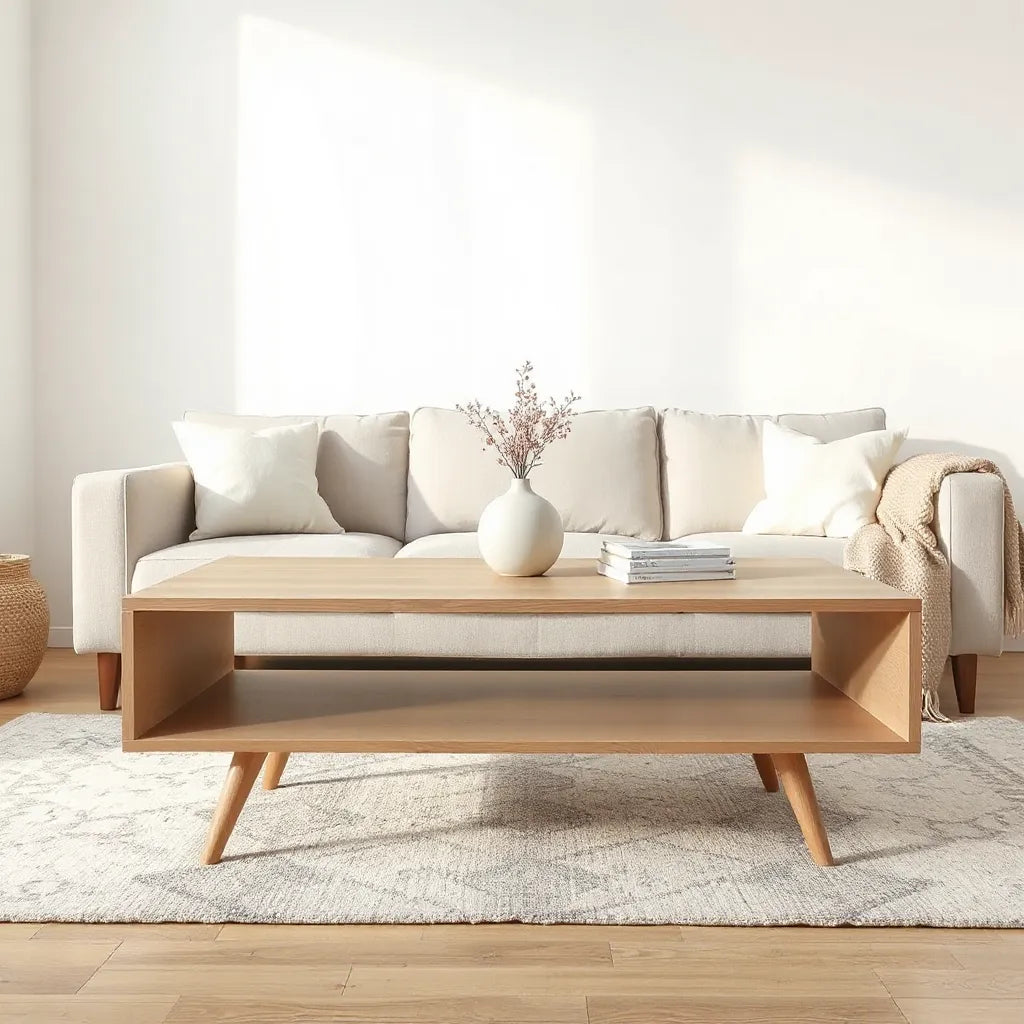
Living room layout sketch with balanced shapes
Key Benefits of Modern Coffee Tables
Improved daily flow: The right height and size make it easier to reach, place, and pick up items without awkward reaching.
Stronger visual structure: A central table gives the room a clear focal point and helps unify different seating pieces.
Better organization: Storage shelves, drawers, or concealed compartments reduce clutter and keep surfaces usable.
Material-led longevity: Durable surfaces and stable frames withstand frequent use and cleaning.
Easy styling flexibility: Modern silhouettes pair with diverse decor styles, from minimal to warm contemporary.
How to Choose Modern Coffee Tables
Choosing the correct table requires more than selecting a design you like. You need alignment between dimensions, materials, and the way your household uses the space. Start with measurements, then consider function, then prioritize aesthetic cohesion.
In modern interiors, the table should feel deliberate. Clean lines and balanced proportions help your room look intentional rather than crowded. If your living area includes a media console, accent cabinet, or bar setup, consider how the coffee table finishes relate to those pieces.
If you want a quick starting point, focus on three factors: size, surface type, and leg or base design. Each factor affects how the room looks and how the table performs day to day.
Step-by-Step Guide to Buying a Modern Coffee Table
Step 1: Measure the seating zone
Measure the width of your seating area, not just the room. Note the distance between the sofa and any opposing chairs, and identify the travel paths you need for daily movement.
Step 2: Confirm the ideal coffee table height
Measure from the floor to the top of your sofa cushions, then aim for a comfortable visual and functional relationship. A table that is too tall can feel intrusive; a table that is too low can force awkward posture when using it.
Step 3: Choose a footprint that supports movement
Allow clear space around the table. If the room is frequently used for gatherings, leave more breathing room to prevent bottlenecks. For smaller rooms, compact silhouettes and slimmer profiles help keep the area open.
Step 4: Decide on storage needs
Determine whether you need open shelving, closed storage, or a simpler surface. Storage helps if you store coasters, remotes, or seasonal items. If you prefer a cleaner look, a streamlined design with fewer visual elements may suit your style.
Step 5: Select materials that match your lifestyle
Use a durable finish if the living room experiences daily traffic. If you value warmth, consider wood-inspired textures. If you prefer an understated look, consider materials that support a matte or satin appearance.
Step 6: Coordinate finishes for a cohesive interior
Match dominant tones across the room, including seating upholstery undertones and nearby furniture frames. You do not need exact sameness; you need visual harmony. This is one of the strongest ways to make a modern table look built-in rather than temporary.
Step 7: Plan your styling approach
After installation, style in layers. Use a tray to group small items and keep clutter from spreading across the surface. Add a book stack, a minimal decorative object, or a seasonal centerpiece, then keep negative space for a modern look.

Close-up of materials samples and finish swatches
Materials, Shapes, and Styles That Stay Relevant
Modern coffee tables come in multiple shapes, from rectangles to rounded designs. The best choice depends on your seating geometry and how you want light and movement to feel in the room.
Materials that balance function and aesthetics
Wood and wood-like textures: These bring warmth and visual continuity with other furniture. Choose finishes that resist everyday wear.
Metal accents: Metal details can sharpen the look and support a clean, contemporary profile. Ensure the tones align with other hardware in your space.
Glass or translucent panels: These can make smaller rooms feel more open. Use them when you want less visual heaviness.
Stone-inspired surfaces: These add refined weight and pair well with minimal styling and neutral palettes.
Shapes that match different living room layouts
Rectangular tables: Offer efficient coverage and align well with sofas and sectional configurations.
Round or oval tables: Soften corners and improve traffic flow, especially in tight rooms.
Square tables: Work well in compact layouts or when you want a symmetrical look with two accent chairs.
Style cues that define a modern look
Modern design typically emphasizes clean lines, understated details, and purposeful proportions. Look for table legs that create lightness, finishes that do not overwhelm, and shapes that integrate with your seating without visual conflict. If you prefer a layered contemporary style, you can pair a modern coffee table with softer textiles and a warm rug to prevent the room from feeling austere.
For a coordinated living area, consider how other furniture elements share common design language. For instance, if your space includes contemporary seating and cabinetry, aligning tones and leg styles can make the room feel professionally composed. You can explore complementary furniture options such as an accent chair or a storage-focused piece on Nisu Home.
Layout and Proportions for a Balanced Living Room
Proportion is where many purchases succeed or fail. A beautiful modern coffee table can still disrupt comfort if its size does not fit the seating arrangement. Start with the practical goal: make movement easy and make the table usable from multiple seating positions.
Create a clear traffic corridor
Identify where people walk when moving between doorways, entertainment areas, or the kitchen. Place the table so that movement remains smooth. In busy households, this factor matters more than styling preferences.
Match table scale to sofa scale
If you have a large sofa, a too-small table will look detached and underpowered. If you have compact seating, a large table can visually overwhelm the room. Use the seating width as your anchor for scale decisions.
Use height to support comfortable use
The table height should facilitate everyday activities such as resting cups, holding a remote, and setting down books. The goal is effortless reach and comfortable posture rather than constant leaning.
Consider visual balance through contrast
Balance the table with other visual weights in the room. If your sofa is visually heavy, choose a lighter table profile. If your furniture is minimalist and light, a table with more material presence can add grounded stability.
Pair with complementary decor and seating pieces
Modern coffee tables look best when styling feels intentional rather than crowded. A tray can consolidate small items and reduce surface clutter. A single large book stack often provides more visual clarity than multiple small objects.
If you are building a cohesive seating plan, you may also consider matching chair silhouettes from the same design ecosystem. For example, you can explore additional contemporary seating options such as Izumi chair or a contrasting accent like Toshiro chair. For storage and surface balance, cabinetry-focused pieces may also support the overall composition, depending on your layout.
FAQ Section
How do modern coffee tables differ from traditional coffee tables?
Modern designs typically emphasize cleaner lines, simplified silhouettes, and material-led finishes. Traditional tables often focus on ornate details and heavier visual structures. Modern options also commonly include practical storage solutions that support everyday organization.
What size modern coffee table is best for a small living room?
In smaller rooms, choose a table that supports comfort without blocking pathways. Many households benefit from narrower footprints or rounded edges to improve circulation. Start with seating measurements and prioritize leaving sufficient space for walking and sitting.
Which materials are most durable for everyday use?
Durable finishes and stable frames are key. Wood with a protective coating, stone-inspired surfaces, and well-finished metal accents tend to withstand regular use. Regardless of material, choose finishes that are easy to clean and that match your household routine.
Summary & Final Thoughts
Modern coffee tables strengthen the function and style of a living room by unifying seating, improving reach, and creating a clear visual center. By measuring your seating zone, selecting a compatible height, and coordinating materials and finishes, you can select a table that performs well today and remains relevant as your decor evolves.
If you want to refine your living room plan, review your layout, pick one clear design goal, and choose a table that supports your daily rhythm. For further inspiration, visit Nisu Home to explore modern furniture directions that align with contemporary interiors.
About the Author
Nisu Home is a home design contributor with expertise in modern furniture curation, layout planning, and practical style guidance for everyday living spaces. The team focuses on durable materials, balanced proportions, and design coherence across room elements. For questions about creating a modern look with functional pieces, explore the collection at Nisu Home. Thank you for reading and choosing a more intentional home environment.
Disclaimer: This article provides general guidance on selecting furniture. Always measure your space carefully and confirm product specifications, care instructions, and compatibility with your existing interior before purchase.


Leave a comment
This site is protected by hCaptcha and the hCaptcha Privacy Policy and Terms of Service apply.