

Updated on: 2026-11-16
Japandi style chairs bring together Scandinavian simplicity and Japanese restraint for a calm, functional seating experience.
This guide explains what to look for in materials, proportions, and finishes so your chair supports a cohesive interior.
You will also find a practical placement and care approach to keep your seating area tidy and visually balanced.
Finally, common questions are answered to help you choose confidently for dining, work, or lounge spaces.
Table of Contents
- 1. Japandi style chairs: what they are and why they work
- 2. How to choose Japandi style chairs
- 3. How to place Japandi style chairs for better flow
- 4. Materials and finish guidance for a lasting look
- 5. Common questions about Japandi style chairs
- 6. Summary & next steps
1. Japandi style chairs: what they are and why they work
Japandi style chairs have become a popular choice for homeowners who want calm interiors that feel intentional. They combine clean Scandinavian lines with Japanese focus on function and quiet visual order. The result is seating that looks balanced from every angle and supports everyday living without visual clutter.
Unlike trend-driven furniture, this design direction prioritizes proportion, natural textures, and restraint. A well-chosen chair can make a room feel more structured while still remaining warm. If you want a dining set, a desk seating solution, or an accent chair for reading, the Japandi approach helps you create a cohesive environment.
One reason Japandi seating feels timeless is that the style uses a limited palette and consistent visual language. Typically, you will find light wood, muted upholstery tones, and simple silhouettes. Decorative elements are minimal, so the chair does not compete with the rest of the room. When your seating blends naturally with tables, storage, and wall finishes, the space looks designed rather than assembled.

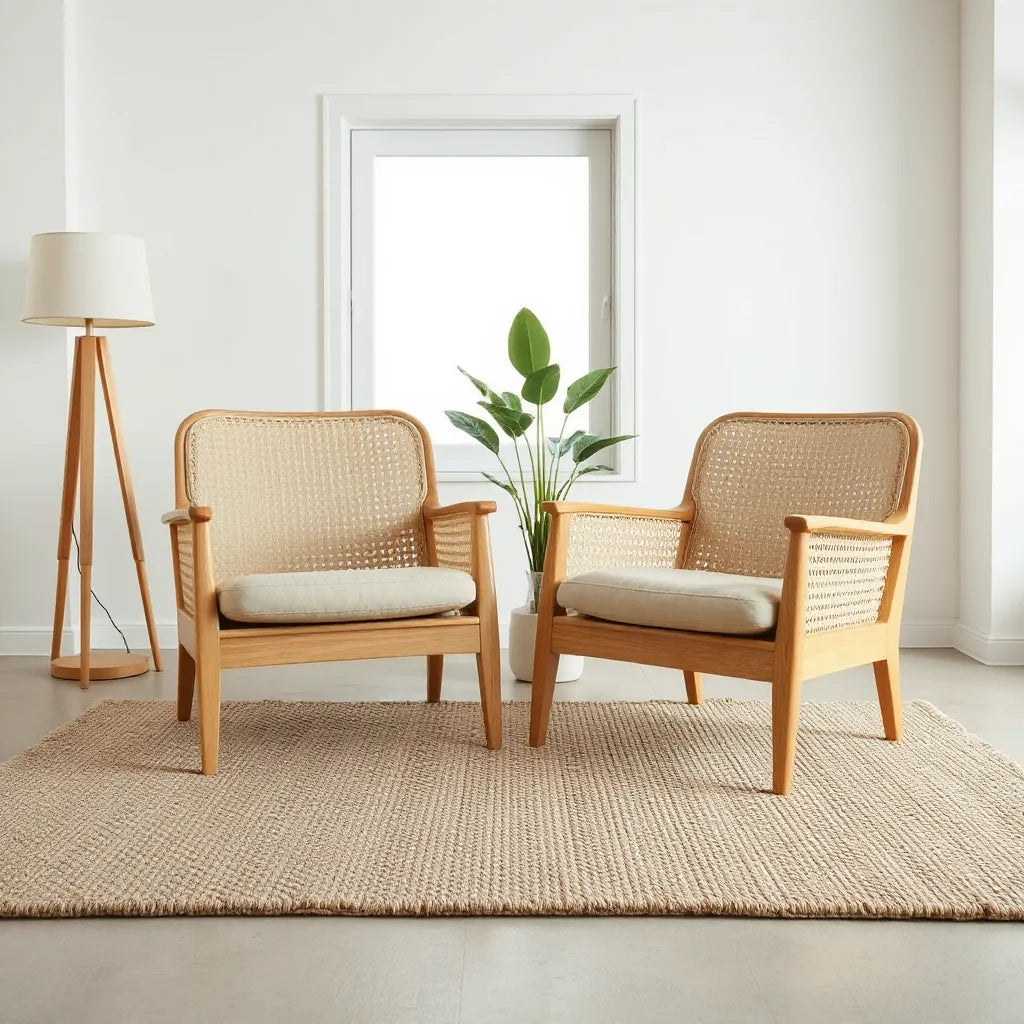
Minimal chair silhouette, warm wood tones, calm floor layout
2. How to choose Japandi style chairs
Choosing the right chair is not only about appearance. You also need comfort, stability, and materials that match your lifestyle. Use the checklist below to compare options quickly and select pieces that align with Japandi principles.
Step 1: Match the chair to the room function
Start with the chair’s role. Dining seating needs easy movement and supportive posture for meals. Desk chairs require long-lasting comfort, especially at a work surface height. Lounge or side chairs should offer relaxation without excessive bulk. When you match the form to the function, you avoid buying a chair that looks correct but feels impractical.
Step 2: Check proportions and negative space
Japandi interiors use clear silhouettes and thoughtful spacing. Look for chair backs and arm profiles that leave visual gaps. For example, a slimmer back or light legs can help the chair feel airy. If your dining area is compact, lighter visual weight is especially helpful.
Step 3: Evaluate comfort with simple tests
Even minimalist chairs should feel supportive. Sit and assess seat height relative to your table. Test the seat depth by checking whether your legs rest naturally and your feet remain stable. If the chair has upholstery, confirm that the padding is not overly soft. Japandi style often favors comfort that feels structured, not sagging.
Step 4: Prefer natural, repairable materials
Wood species, upholstery fabric, and finishes should be chosen for longevity. Natural materials also age gracefully, which supports the calm aesthetic. When a finish can be maintained or refinished, your chair remains part of the room design for years.
Step 5: Keep the palette restrained
Limit your seating to two or three complementary tones. Light oak or ash woods pair well with warm neutrals such as sand, oatmeal, and soft greige. If you choose darker wood, balance it with lighter textiles or wall colors. A restrained palette is central to a Japandi feel and helps the room look coherent.
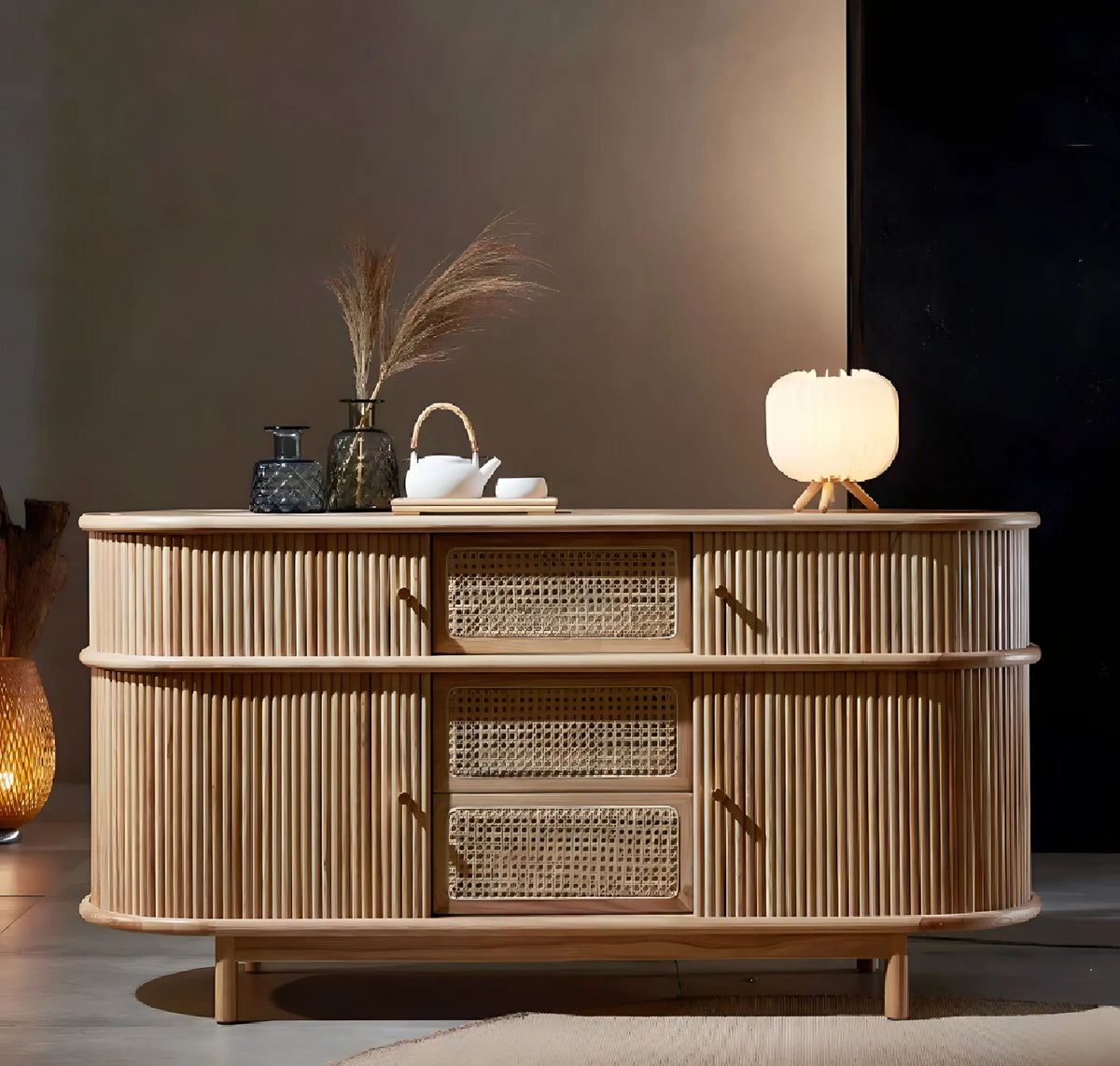
If you are curating a full seating area, you can also coordinate chair style with other elements. For example, selecting a chair that aligns with your cabinet or table finishes can reduce visual mismatch. You may find it helpful to browse a cabinet piece such as Asuka cabinet to understand how minimal storage design supports the same atmosphere.
3. How to place Japandi style chairs for better flow
Placement can make the difference between a room that feels calm and one that feels crowded. Japandi style relies on order, so spacing matters as much as the chair itself. The following approach supports movement and visual balance.
Keep comfortable clearances
In dining settings, leave enough room for chairs to slide in and out. A tight layout makes a chair feel harder to use. In workspaces, keep a consistent distance between the chair and the desk edge so your posture remains neutral. When the chair moves smoothly, the space feels functional.
Use symmetry carefully, not rigidly
Japandi design often benefits from gentle symmetry. However, strict alignment can feel formal. Aim for consistency in orientation and height while allowing slight variation in chair position when the room shape requires it. This keeps the atmosphere relaxed while still organized.
Anchor the seating visually
Use a rug or a table base to visually ground the chair cluster. A textured, low-pile rug can soften the floor while maintaining a clean look. Avoid high-contrast patterns that compete with the chair silhouette. The goal is to anchor the seating without creating visual noise.
Consider sightlines
When people enter a room, the first view matters. Choose chairs that look cohesive from multiple angles. Japandi style favors clean back profiles, so your chair should look appropriate even when viewed from the side. This is important in open-plan interiors.

Dining layout grid, chair spacing lines, neutral rug texture
4. Materials and finish guidance for a lasting look
Materials determine how a chair feels and how it will look over time. In Japandi interiors, the ideal material mix is simple: natural wood tones, calm fabrics, and finishes that do not appear overly glossy. The guidance below helps you select materials that support both appearance and durability.
Wood: choose tones that complement your space
Light woods can make a room feel brighter and more open. Medium tones create warmth and pair well with earth-friendly textiles. If your room already has darker elements, a chair in a similar tone can reduce contrast. Consistency in undertone matters. For example, a warm-toned wood pairs better with warm neutrals than with cool grey finishes.
Upholstery: aim for muted texture
If your chair includes fabric, choose upholstery that feels calm to the touch and visually subtle. Texture can add comfort without overpowering the minimalist look. Consider performance fabrics if the chair is used daily, especially in dining areas. Neutral upholstery also supports seasonal styling with small cushions or blankets.
Metal accents: keep them minimal
Some Japandi chairs incorporate slim metal details. When metal is present, it should remain understated and consistent with other hardware in the room. Dark metal or brushed finishes usually fit the style better than highly reflective chrome.
Finish maintenance: plan for everyday life
To maintain a Japandi appearance, treat your chair like a piece of design, not a disposable item. Use gentle cleaning methods, avoid harsh chemical cleaners, and wipe away spills quickly. For wood, use appropriate cleaners and consider a light protective treatment when recommended by the manufacturer. Regular care prevents uneven aging and helps keep the surface tone consistent.
When you want to complete a seating lineup, it also helps to compare chair styles within the same design language. For example, pairing dining chairs that share leg lines and back proportions can unify the area. If you are exploring options, you can review product silhouettes such as Toshiro chair or Izumi chair to see how Japandi-inspired forms translate into daily use.
5. Common questions about Japandi style chairs
Are Japandi style chairs suitable for small dining spaces?
Yes. Japandi seating often uses slimmer silhouettes, light visual weight, and calm colors, which can help a small dining area feel less crowded. To maximize the benefit, keep consistent chair tones, maintain clear walking space, and choose chair backs that do not overwhelm the wall line.
What colors work best with Japandi chair designs?
Muted neutrals generally work best, such as sand, oatmeal, greige, and soft taupe. Natural wood tones are the foundation, and fabric colors should support the same calm direction. If you want contrast, use a single deeper tone in a limited way through accessories or one chair element rather than introducing multiple competing colors.
How should I clean and care for Japandi chairs?
For wood finishes, wipe with a soft cloth and use manufacturer-approved cleaners when needed. For upholstered surfaces, vacuum gently and spot-clean with methods appropriate for the fabric. Avoid saturating materials, because uneven moisture can lead to discoloration. Consistent light maintenance is usually more effective than occasional deep cleaning.
Can I mix Japandi chairs with other interior styles?
Yes, when the chair maintains Japandi visual traits such as restrained lines, natural materials, and a balanced palette. Minimal chairs can pair well with modern or classic interiors if the chair tones coordinate with existing surfaces. Keep the number of contrasting styles limited, and allow the chair to be the unifying element.
6. Summary & next steps
Japandi style chairs offer a disciplined, welcoming approach to seating. By selecting chairs with balanced proportions, calm colors, and durable materials, you can create a room that looks ordered without feeling cold. Placement also matters: ensure clearances for smooth movement, keep sightlines tidy, and anchor the seating with simple floor styling.
Next, decide your chair’s primary function and compare options based on comfort, materials, and finish maintenance. If you are assembling a set, focus on shared design cues such as leg lines and back profiles. When you do this, the room will feel cohesive and remain visually calm over time.
For additional inspiration on minimalist home styling, you may also explore Winter Dream.
About the Author Section
Nisu Home is a home curation and interior guidance team with expertise in Scandinavian and Japanese-inspired design principles, including layout planning, material selection, and functional styling. We focus on practical recommendations that support everyday comfort and long-term visual cohesion. If you apply the steps in this article, your seating area will feel more intentional and easier to maintain. Thank you for reading, and enjoy building a calmer home environment.


Leave a comment
This site is protected by hCaptcha and the hCaptcha Privacy Policy and Terms of Service apply.