


Updated on: 2026-11-24
Contemporary cabinet designs balance clean lines with practical storage. They help you reduce visual clutter while improving everyday function. Smart material choices, refined hardware, and thoughtful layout planning make cabinets look intentional rather than generic. Use this guide to evaluate pros and cons, then follow a clear process to select, size, and style the right cabinets for your space.
- Pros & Cons of Contemporary Cabinet Designs
- Step-by-Step Practical Guide
- Wrap-Up
- Q&A Section
- About the Author
Pros & Cons of Contemporary Cabinet Designs
Contemporary cabinet designs are known for their minimal look, efficient storage, and flexible styling. Before selecting a cabinet style, it is useful to consider what tends to work well and where common trade-offs appear.
Advantages
Cleaner visual rhythm: Straight lines, consistent paneling, and restrained ornamentation help the room look organized.
Better space utilization: Many contemporary layouts focus on vertical storage, pull-out organization, and compartment planning.
Material flexibility: Finishes can range from warm wood tones to sleek painted surfaces, allowing alignment with diverse interior palettes.
Easy styling: Neutral cabinet bodies make it simpler to update decor through textiles, lighting, or tabletop accessories.
Limitations
Surface visibility: Modern finishes often show fingerprints, dust, or minor scuffs more clearly than highly textured surfaces.
Hardware alignment matters: Small misalignments are more noticeable when doors and drawers are visually simple.
Storage design varies widely: “Contemporary” is a look as much as a function. Two designs can look similar while having very different usability.
Cost can rise with customization: Built-in configurations, specialty organizers, and premium materials may increase budget needs.

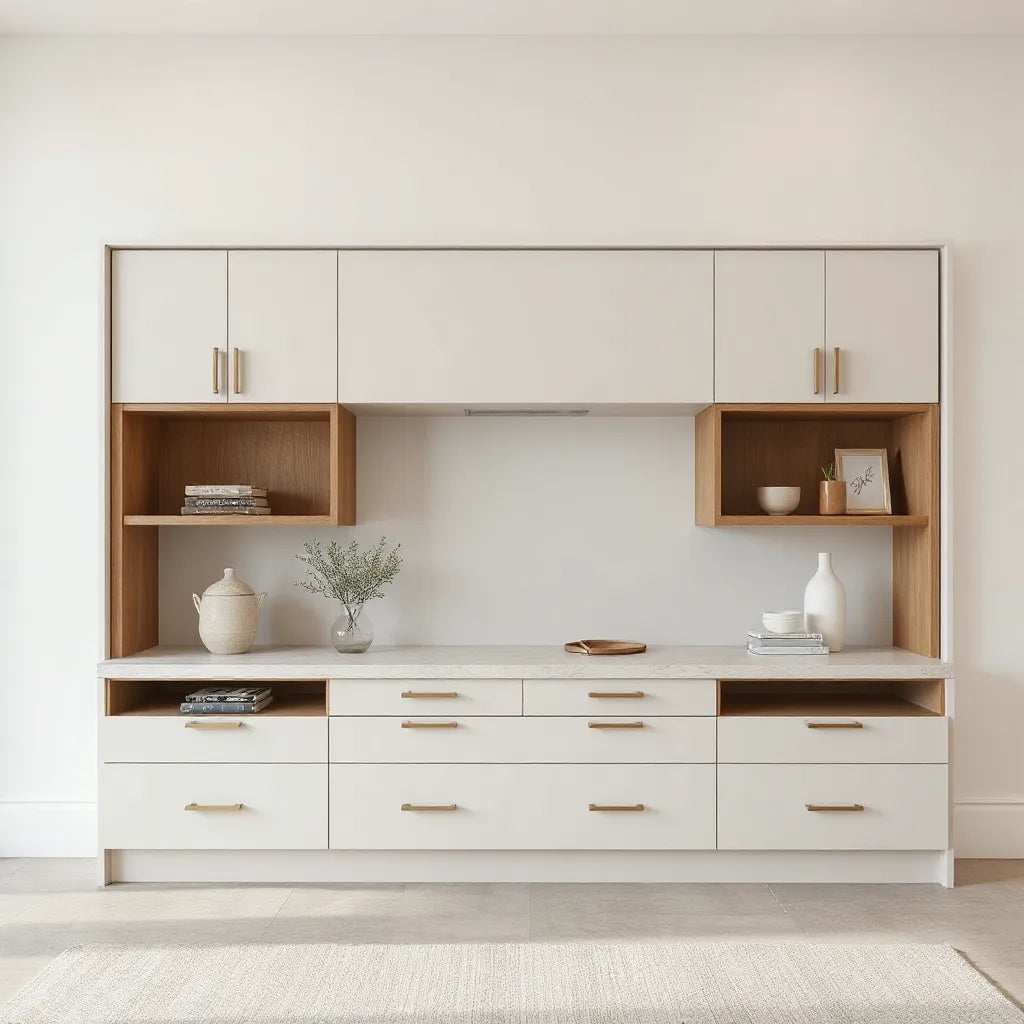
Clean line styling and organized storage layout cues
Step-by-Step Practical Guide
To choose cabinetry that performs for years, treat the decision as a sequence: needs first, measurements second, then materials and details. This process reduces rework and improves the final fit in your home.
Define needs, traffic flow, and storage goals
Start by listing what you store daily and how often you access each item. Cabinet choices improve when the storage plan matches usage patterns. For example, high-frequency items benefit from easy reach, while seasonal items can go higher or deeper.
Map daily routines: Identify what you grab most during cooking, hosting, or everyday cleaning.
Prioritize accessibility: If you frequently use trays, dishes, or pantry goods, focus on pull-outs or shelves sized for those categories.
Consider viewing needs: Some compartments are better kept closed to maintain visual calm, while select open areas can display curated items.
Account for movement: Ensure door swing paths do not interfere with walkways, appliance clearance, or dining chairs.
Measure accurately and plan cabinet placement
Accurate measurements prevent the most common installation issues, including gaps, uneven reveals, and door alignment problems. Measure the full area, not only the wall length.
Measure height, width, and depth: Include baseboards, uneven floors, and any wall irregularities.
Mark reference points: Use a consistent level line so cabinet tops and horizontal faces align.
Plan clearance zones: Allow space for appliance ventilation, countertop overhangs, and drawer travel.
Decide on reveal style: Contemporary cabinet designs often emphasize consistent gaps around doors and drawers. Choose an approach early so all elements align.
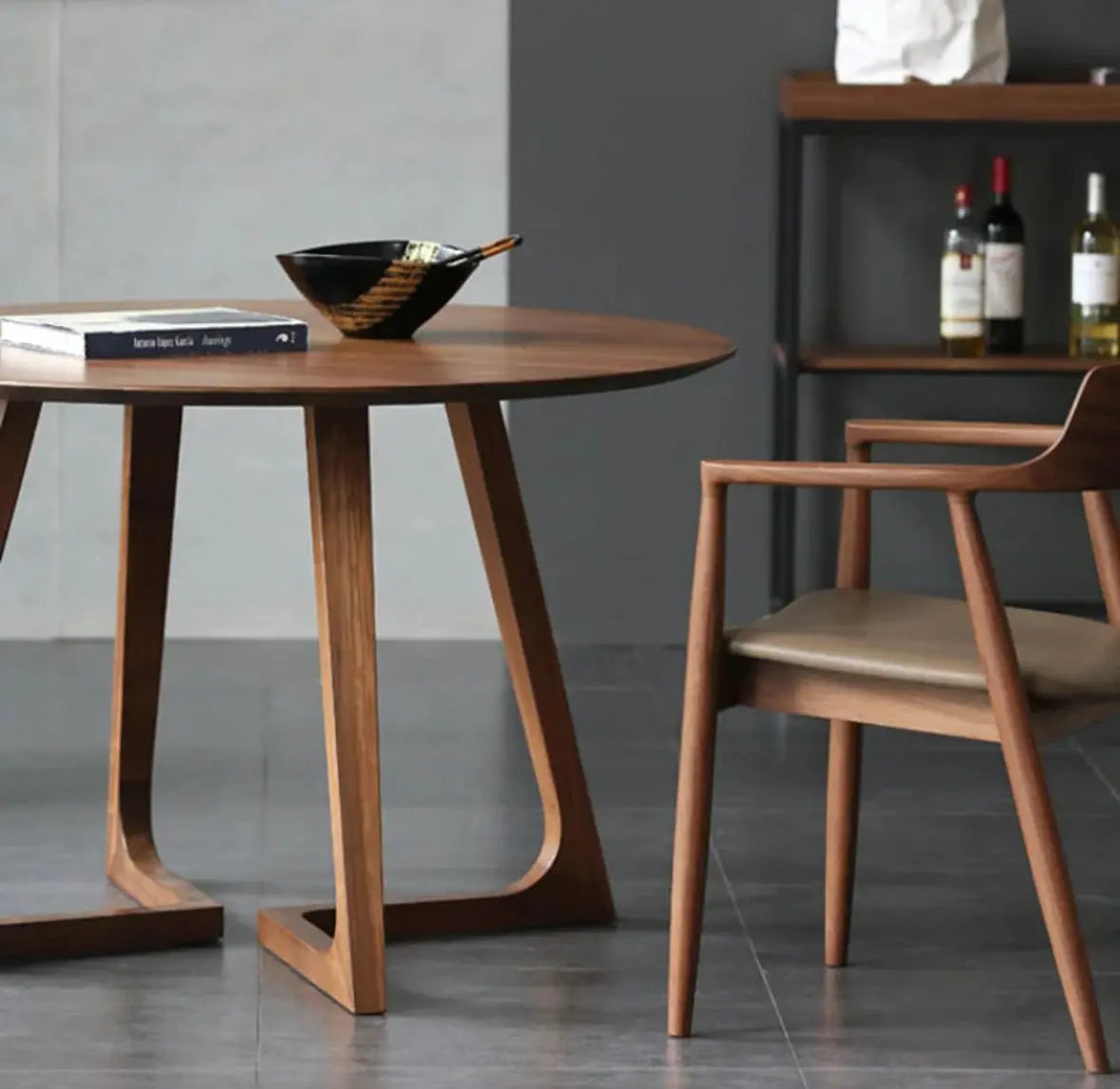
If your layout involves seating coordination, consider how cabinet placement supports daily movement. For example, when planning a dining area adjacent to cabinetry, matching furniture height and sightlines can reduce the sense of cramped space. You may also find it helpful to browse seating options that complement a clean, modern look, such as Asuka cabinet for cabinetry styling cues and Toshiro chair for a coordinated dining aesthetic.
Choose materials and finishes for durability
Materials influence both appearance and maintenance. Contemporary cabinets often feature smooth doors, flat panels, or high-quality veneers. Select finishes that match your cleaning routine and the lighting conditions in the room.
Wood veneers and engineered wood: These options can provide warmth while maintaining stable structure. Ask about coating quality and edge finishing.
Painted finishes: Painted surfaces deliver a crisp look, especially in modern kitchens and living areas. Use appropriate cleaning methods to preserve the coating.
Laminate or solid surface exteriors: These can resist stains better in busy households, while still supporting minimalist styling.
Edge durability: Pay attention to corners and edges, because these areas experience the most contact.
Lighting also affects finish selection. Bright, direct light can highlight minor texture differences or marks. If your space receives strong sunlight, consider finishes that are designed to maintain visual clarity over time.
Select hardware and details that match the style
Hardware is a major lever for contemporary cabinet designs because it reinforces the intended visual language. Even when the door and frame look minimal, the hardware can add sophistication or disrupt the look.
Choose a consistent metal tone: Match handles, hinges, and pulls to one finish. Consistency improves perceived quality.
Prioritize clean profiles: Sleek, low-profile pulls support the minimal look and reduce visual clutter.
Plan for comfort: Handle placement should align with typical reach height for drawers and doors.
Consider handle-free options: Some contemporary designs use integrated grooves or push-to-open mechanisms for a smoother face. Ensure the system remains reliable for daily use.
To refine your overall style, align cabinet hardware with other modern elements in the room, such as table bases, lighting fixtures, and chair silhouettes. If you are styling an open-plan space, this consistency helps the cabinetry feel integrated rather than added later.

Hardware finish coordination with sleek cabinet lines
Use layout options that improve daily use
A contemporary exterior is only half the value. The internal layout determines whether the cabinets feel convenient and well-organized.
Vertical storage planning: Use tall cabinets for brooms, pantry staples, or stacked cookware to reduce clutter in countertops.
Drawer strategy: Deep drawers support larger tools, while shallow drawers suit utensils and small accessories.
Adjustable shelves: Adjustable compartments adapt as storage needs change over time.
Specialized organizers: Dividers, tray systems, and pull-outs reduce item shifting and help you find things quickly.
Balance closed and open areas: Closed doors support a calm look. Limited display surfaces can add personality without overwhelming the design.
When selecting a cabinet system for a specific room purpose, think about what the room demands most. For dining spaces with adjacent service storage, a compact, orderly cabinet arrangement can improve flow and reduce visual noise during gatherings.
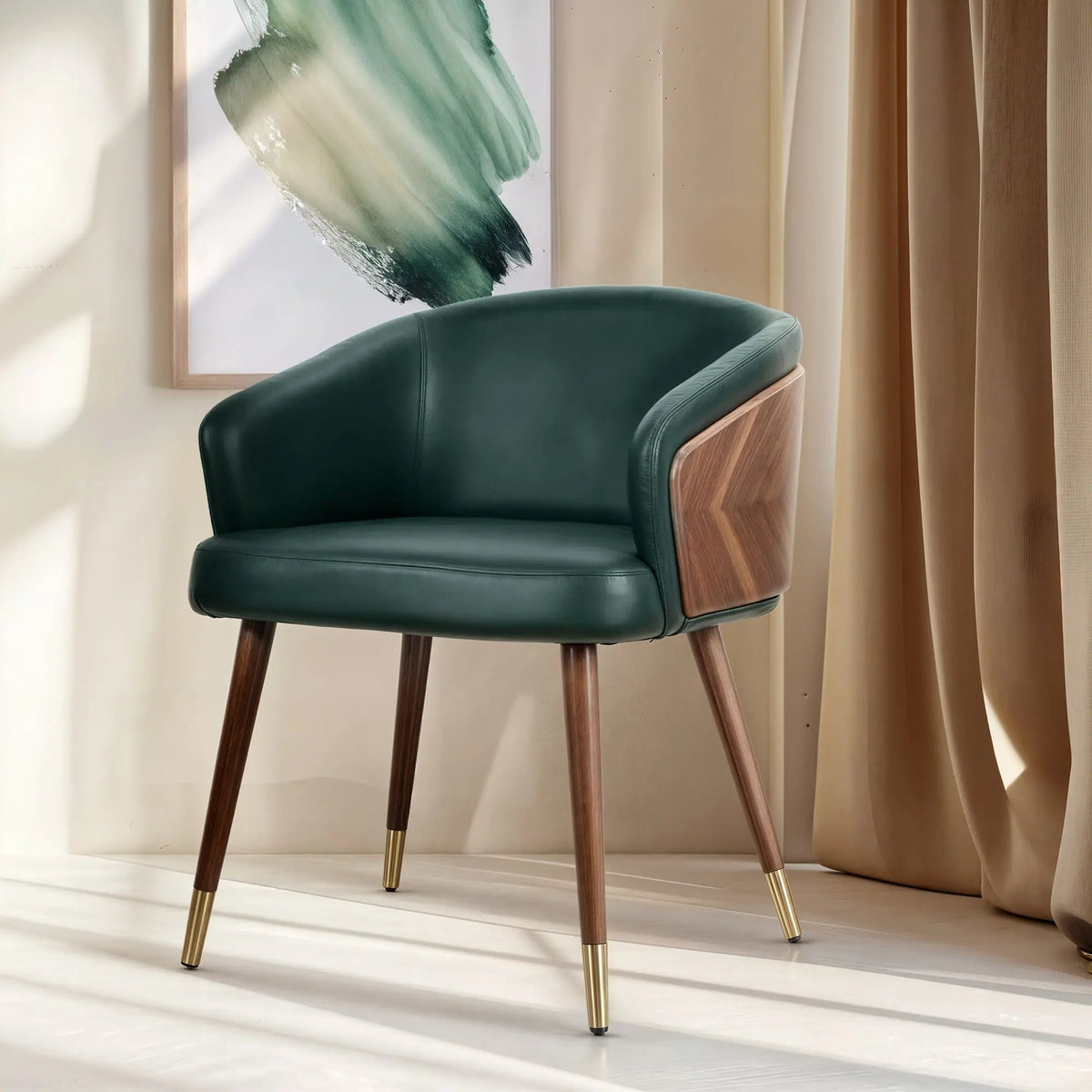
If you want a cohesive style across rooms, you can take inspiration from contemporary storage categories offered by retailers. For example, Haruto bar stool can support a matching modern palette when your cabinetry extends into a kitchen or bar zone. This type of cross-room alignment helps maintain a unified look from dining to storage.
Plan installation, maintenance, and long-term care
Even well-designed contemporary cabinets can underperform if installation and upkeep are overlooked. Plan for the details that preserve function and appearance.
Verify leveling and mounting: Uneven installation can cause doors to misalign and drawers to bind.
Use appropriate cleaning routines: Choose gentle cleaners suitable for the cabinet finish. Avoid abrasive pads that can dull surfaces.
Inspect hardware periodically: Tighten screws, check alignment, and lubricate moving parts when necessary.
Protect high-contact areas: Use coasters, place mats, and protective liners where appropriate to reduce wear.
Manage humidity: Stable indoor humidity helps finishes and joints maintain their integrity.
For customers planning a full refresh, consider building the design in layers. Start with cabinets for structure, then add lighting, textiles, and decor. This order helps ensure the final room feels intentional rather than assembled.
Wrap-Up
Contemporary cabinet designs offer a refined look, efficient storage, and strong style consistency when chosen with purpose. Focus first on daily routines and clearance needs, then measure carefully and select finishes that match how you maintain your space. Hardware alignment and internal organization make the biggest difference between a cabinet that looks modern and one that feels truly functional. If you follow this step-by-step approach, you can create a calm, contemporary storage system that supports everyday living.
Actionable next step: Shortlist two cabinet layouts, then test them against your storage categories and accessibility goals. Confirm sizing before you decide on finishes, and choose hardware that maintains visual consistency across the room.
Q&A Section
Are contemporary cabinet designs only suitable for modern interiors?
No. While they often match minimal and modern styles, contemporary cabinets can adapt to transitional rooms as well. Select a finish that reflects your existing palette, then keep hardware and door proportions consistent with the rest of the space.
What is the most important factor when choosing cabinet finishes?
Maintenance fit is critical. Choose a finish that aligns with your cleaning routine and lighting conditions. Smooth surfaces can look elegant, but they may require more frequent gentle cleaning to preserve their appearance.
How can I ensure doors and drawers align correctly in a contemporary setup?
Proper measurement, level mounting, and consistent reveals are essential. Aligning hinges and checking drawer tracks during installation reduces gaps and friction. If you are renovating, confirm wall flatness and plan for baseboard or flooring variations.
What storage upgrades deliver the highest day-to-day value?
Pull-outs, adjustable shelves, and drawer dividers typically improve usability more than decorative additions. These features reduce searching time and keep items stable during frequent use.
About the Author
Nisu Home is an interior and furnishing-focused team specializing in contemporary storage solutions, layout planning, and modern styling principles. With practical guidance rooted in design fundamentals, the team helps readers select cabinetry that supports both function and aesthetics. Nisu Home brings a detail-oriented approach to every recommendation, from finish selection to hardware coordination. Thank you for reading and for building a home that reflects clarity, comfort, and confidence.
Disclaimer: This article provides general design guidance and does not replace professional architectural or installation advice. Always follow manufacturer instructions and local building codes for measurements, mounting, and safety.

Leave a comment
This site is protected by hCaptcha and the hCaptcha Privacy Policy and Terms of Service apply.