

Updated on: 2026-11-17
Ash wood furniture is valued for its balanced strength, attractive grain, and practical everyday comfort. This guide explains what makes ash an effective choice for seating, storage, and home office pieces. You will also learn how to assess grain patterns, finish quality, and construction methods that support long-term use. Finally, you will receive care and styling recommendations, plus expert answers to common buying questions.
4. Why Ash Wood Furniture Stands Out
5. Grain, Color, and Finish: What to Look For
6. Construction Details That Affect Longevity
7. Care and Maintenance for Long-Term Beauty
8. Styling Ideas for Ash Wood Interiors
Did You Know?
- Ash is known for a straight grain that often creates a clean, modern look.
- Many ash boards are naturally flexible and resilient, which supports stable everyday use.
- With the right finish, ash can look warm while still reading as light and airy.
- Swirl and ray patterns can appear more clearly under matte and satin coatings.
Expert Tips
- Inspect edges and corners for smooth finishing and consistent sanding.
- Check joinery alignment by sighting along the seam, not only by touching it.
- Prefer finishes that feel evenly sealed, without sticky spots or thin patches.
- Test stability on a flat floor; furniture should not rock after installation.
Personal Anecdote
When I first evaluated wood seating for a busy household, I focused on appearance first. After a few months, I realized that everyday friction, cleaning, and minor impacts mattered more than color alone. Ash wood furniture impressed me because it handled routine care well and still looked refined after regular use. That experience changed how I shop: I now review construction quality and finish coverage before choosing any piece.
Why Ash Wood Furniture Stands Out
Ash wood furniture is a practical choice for people who want both character and durability. Ash belongs to the hardwood category and is often selected for pieces that must endure daily movement, occasional weight variation, and frequent cleaning. In many homes, a chair, side table, or cabinet becomes a long-term anchor. Ash offers a balanced profile: it is strong enough for regular use while remaining visually versatile across styles, from Scandinavian to contemporary.
Another reason ash is widely used is its grain clarity. Many ash boards show a straight pattern that can read as elegant rather than busy. When finished well, the wood tone can appear warm and natural, with subtle variation that adds depth without overpowering the room. This makes it easier to pair with textiles, metals, and stone surfaces.
From a performance perspective, ash tends to respond well to well-applied coatings. A properly sealed surface can resist everyday scuffs and support uncomplicated cleaning with gentle methods. While no material is immune to wear, ash can maintain a tidy appearance for years when care aligns with its finish type.

Wood grain close-up with light-and-shadow texture
Grain, Color, and Finish: What to Look For
Before buying, evaluate how ash grain and color will interact with your lighting. Natural light often brings out the wood’s character, while artificial lighting can shift the perceived warmth. Ash commonly ranges from pale creamy tones to warmer blond hues. Some pieces also display more visible streaking, which can look refined when kept consistent across panels.
Finish quality is equally important. A finish that is too glossy can make small imperfections more noticeable, while an overly dry surface may wear faster. In contrast, a satin or matte finish often hides micro-scratches while preserving a soft look. Pay attention to consistency. If the surface shows uneven sheen or patchiness, the coating coverage may be inconsistent.
Consider how you will clean the piece. If you plan to use a damp cloth regularly, confirm that the finish is sealed properly. For ash, gentle cleaning and quick drying help avoid residue buildup that can dull the surface over time. If your home has high humidity or frequent temperature swings, your selection should account for stable finishes that resist water penetration.
When comparing options, look at grain direction. For flat surfaces and boards, straight grain alignment can feel more deliberate and tailored. For chairs and frames, the visual flow should not look chaotic. The most appealing ash pieces often show thoughtful grading, where the grain pattern is balanced across the visible faces.
Construction Details That Affect Longevity
Construction quality often predicts how ash wood furniture will age. Strong joinery reduces movement and protects surfaces from stress. For seating, the connection between the frame and legs matters. For cabinets, the way panels are joined affects both alignment and durability. Start by examining the seams. Tight, consistent seams typically indicate careful assembly.
Next, assess how the piece handles load. Chairs should have a stable footprint, and their legs should not wobble. For tables and storage, check whether the top or doors shift under gentle pressure. If you detect rocking, twisting, or uneven gaps, the issue can worsen with time even if the finish looks good today.
Hardware should also be selected thoughtfully. Screws and brackets that are over-tightened can strain wood around the joints. Meanwhile, loose hardware can lead to wear at the contact points. When possible, choose furniture with a coherent hardware plan and clear manufacturing standards.
Finally, consider the underside and back panels. These areas may be less visible, but they often reveal how the maker approaches materials and finishing. Even if the aesthetic is minimal, the hidden work should reflect care. A well-made ash frame typically shows uniform sealing and clean edge work.

Workshop-style joinery symbols: dovetails, screws, alignment
Care and Maintenance for Long-Term Beauty
Proper care supports both appearance and comfort. For ash wood furniture, the goal is to protect the finish while avoiding conditions that trap moisture. Use a soft cloth for dust removal and choose cleaners that are designed for sealed wood surfaces. Avoid abrasive pads that can remove the top layer of coating and expose bare wood.
When spills occur, address them promptly. Wipe away liquid with a clean cloth and dry the surface. Do not leave dampness to air-dry on its own, as trapped water can create uneven dulling. For routine cleaning, a lightly damp cloth is usually sufficient when followed by drying.
In addition to cleaning, manage environmental factors. Extreme dryness can make finishes feel dull, while high humidity can stress wood over time. If your region experiences seasonal changes, consistent indoor conditions can help your furniture age gracefully. You can also rotate pieces slightly if one side receives stronger sunlight, since persistent exposure can cause color shifts.
For seating, maintain comfort without overuse of harsh cleaning products. Remove crumbs and dust from seams regularly. If a chair includes upholstered elements, follow the textile care guidance for those surfaces while using minimal moisture on the wood frame.
Over time, finishes may develop fine surface marks. If the coating is still intact, gentle cleaning and protective maintenance can reduce visual impact. If the finish has worn down significantly, consult the furniture’s finish type before applying any product. Spot treatment can sometimes create a visible patch, especially on matte coatings, so careful selection is essential.
Styling Ideas for Ash Wood Interiors
Ash pairs well with a wide range of materials. Because it often reads light and neutral, it complements textiles, glass, and brushed metal. For a cohesive look, match undertones. If your ash furniture is more blond, pair it with warm whites, cream fabrics, and natural fibers. If it appears slightly darker or more golden, balance it with muted browns, charcoal accents, or deep green tones.
To create visual harmony, consider the scale of your decor. Ash wood furniture often looks refined when the room includes clean lines and controlled contrast. Use rugs with low to medium pile for easier maintenance and fewer visual conflicts with straight grain patterns. For walls, neutral paint shades often allow the wood grain to remain the focus.
Lighting is also a major styling lever. Soft, warm light highlights ash grain without creating harsh glare. If you have overhead lighting that is very bright or cool-toned, consider using a warmer bulb setting or adding a floor lamp to soften shadows.
If you want a modern appearance, pair ash with minimal silhouettes and consistent color accents. If you want a softer look, add cushions, throws, and layered textiles. Ash remains a stable background, but the room’s atmosphere changes based on what surrounds it.
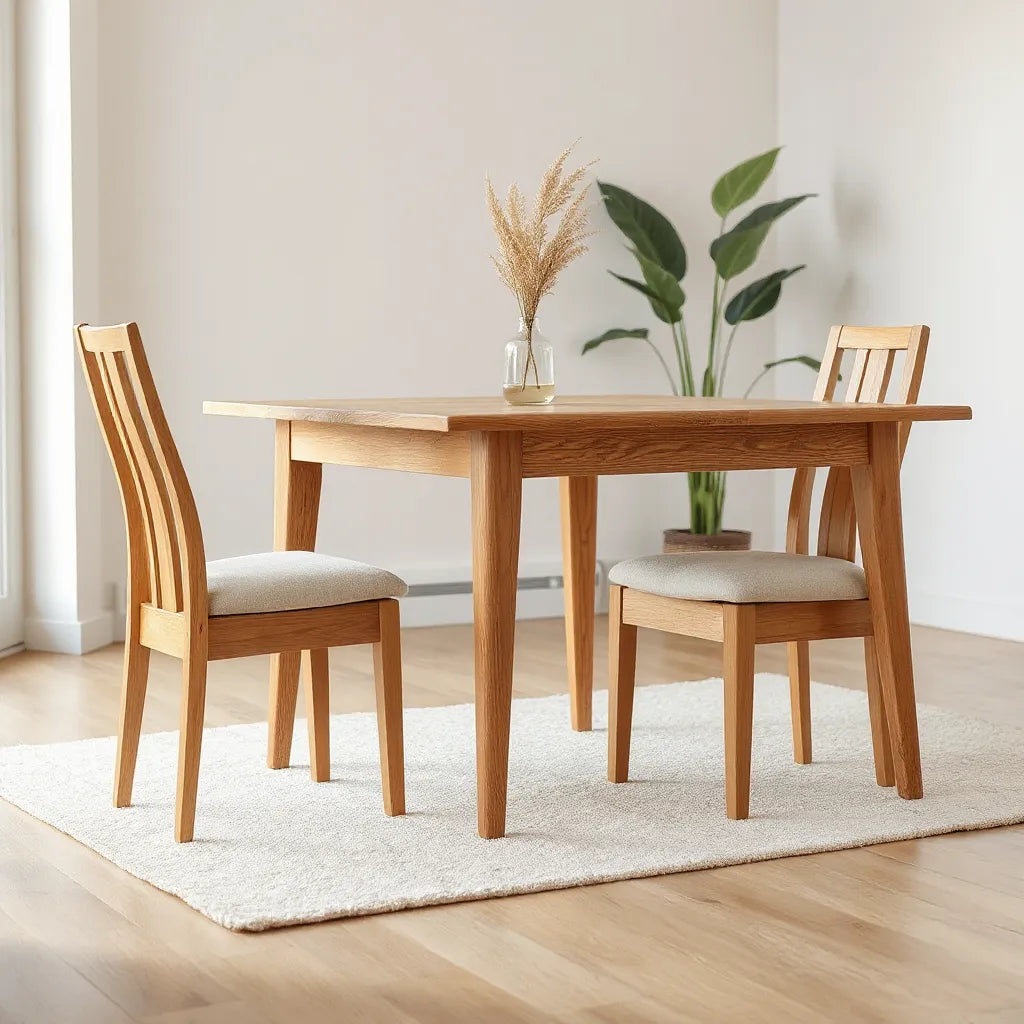
Natural seating pairing with ash-toned design
To demonstrate how ash-friendly design coordinates with modern interiors, here is a seating option that fits many ash-forward color palettes.
Toshiro Chair

Choose the Right Piece for Your Space
When selecting ash wood furniture, begin with function. Decide where the piece will live and how much movement it will experience. For high-traffic zones, prioritize sturdier construction, sealed surfaces, and hardware integrity. For quieter spaces such as a reading corner, you can emphasize grain beauty and visual harmony.
Next, match the piece to your room’s palette. If you already use light neutrals, ash can blend seamlessly. If you prefer contrast, ash also works as a lighter counterpoint to darker materials. The goal is balance, not uniformity.
If you are building a cohesive seating setup, you may also compare chair styles across your budget. Consider exploring other chair options on the same site, such as Toshiro Chair, Izumi Chair, or Hitsuji Chair. These comparisons help you confirm how wood tone and silhouette design work together.
Summary & Takeaways
Ash wood furniture combines strength, clear grain character, and a versatile look that suits many interior styles. By focusing on finish consistency, careful joinery, and stable assembly, you can reduce the risk of early wear. You can preserve the surface by using gentle cleaning methods, drying promptly after damp wiping, and maintaining balanced indoor conditions. Finally, style choices become easier when you match undertones and select fabrics that complement ash’s natural warmth.
- Evaluate grain and finish sheen for a uniform, sealed appearance.
- Check joinery alignment and stability to prevent future movement.
- Clean with soft cloths and avoid abrasives or lingering moisture.
- Style with lighting warmth and textiles that match the undertone.
Q&A Section
Is ash wood suitable for dining chairs and frequent-use seating?
Yes. Ash is a hardwood that can perform well in everyday settings. The most important factor is construction quality. A stable frame, sealed finish, and well-fitted joints reduce squeaks, wobble, and premature wear. If the seating will be used daily, prioritize finishes that are evenly applied and easy to clean.
How can I tell whether the finish on ash furniture is durable?
Look for an even sheen across the surface and consistent edge sealing. A durable finish typically feels smooth rather than sticky and does not show obvious patchiness. If you observe rough spots, uneven gloss, or exposed fibers at edges, the coating coverage may be insufficient for long-term daily cleaning.
What is the safest cleaning routine for ash wood surfaces?
Use a soft, dry cloth for dust removal. For deeper cleaning, use a lightly damp cloth and dry immediately. Choose cleaners intended for sealed wood finishes, and avoid harsh solvents or abrasive pads. This approach protects the coating layer and helps the surface stay visually consistent.
Will ash wood furniture change color over time?
Most wood finishes can shift slightly with sunlight and indoor conditions. Ash often lightens or warms depending on exposure and finish type. Using curtains, rugs, and balanced lighting can reduce uneven fading. Regular gentle cleaning also supports an even appearance by preventing residue buildup.
Where should ash furniture be placed to reduce wear?
Place pieces away from direct, continuous sunlight and heat vents. Avoid areas with frequent water splashes unless the furniture is designed and finished for that environment. Stable indoor humidity reduces stress on wood and helps the finish maintain its protective role.
About the Author
Nisu Home
Nisu Home is a retail and lifestyle brand focused on modern, functional home furnishings with an emphasis on material quality and practical design. The team follows a detail-oriented approach to wood selection, finish standards, and everyday comfort. This article reflects those priorities through clear guidance and careful buying considerations. Thank you for reading, and we welcome you to explore thoughtfully designed pieces that support long-term home enjoyment.
Disclaimer: The information in this article is provided for general guidance only. It does not replace manufacturer instructions, warranty terms, or professional advice. Always follow the care recommendations included with your specific product and test any cleaning method on a discreet area when appropriate.


Leave a comment
This site is protected by hCaptcha and the hCaptcha Privacy Policy and Terms of Service apply.